Western Australia’s regional property market continues to evolve, with several centres recording strong growth in both house prices and rental values during the March 2026 quarter.
According to the latest data from REIWA, Port Hedland led the state for quarterly median house price growth, while Albany recorded the strongest annual increase among regional centres.
Port Hedland Leads Quarterly Growth
Port Hedland’s median house sale price rose 6.9 per cent during the March 2026 quarter, increasing from $552,000 to $590,000.
REIWA Regional Spokesperson Peta McKenzie attributed the growth to ongoing demand combined with limited housing supply.
Buyers in the region continue to include a mix of investors and owner occupiers, with Port Hedland remaining attractive to investors due to comparatively strong rental yields and the potential for positively geared properties.
The region is also expected to benefit from future mining and infrastructure activity, with major projects and investment continuing across the Pilbara.

Albany Records Strong Annual Growth
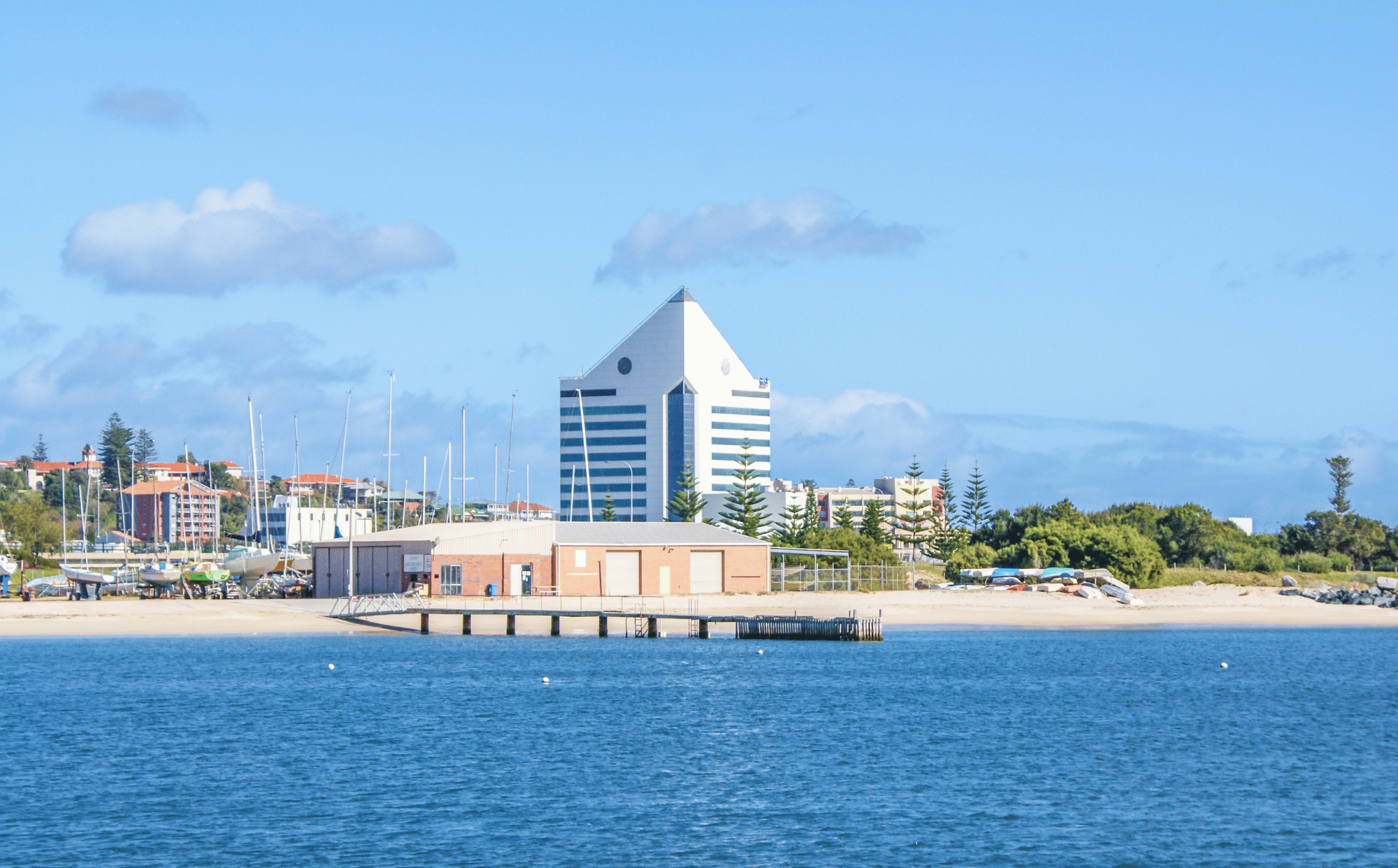
Albany was the top performing regional centre over the year, with median house prices increasing 24.4 per cent compared to the March 2025 quarter.
The market has been driven primarily by owner occupiers, alongside limited housing supply and strong local demand.
REIWA noted that many homeowners have been hesitant to sell due to concerns about securing another property in the current market, further tightening supply and contributing to price growth.
Interestingly, Albany continues to attract buyers relocating from Perth and other parts of the South West, with many seeking a quieter lifestyle and stronger sense of community.
Busselton Surpasses the $1 Million Mark
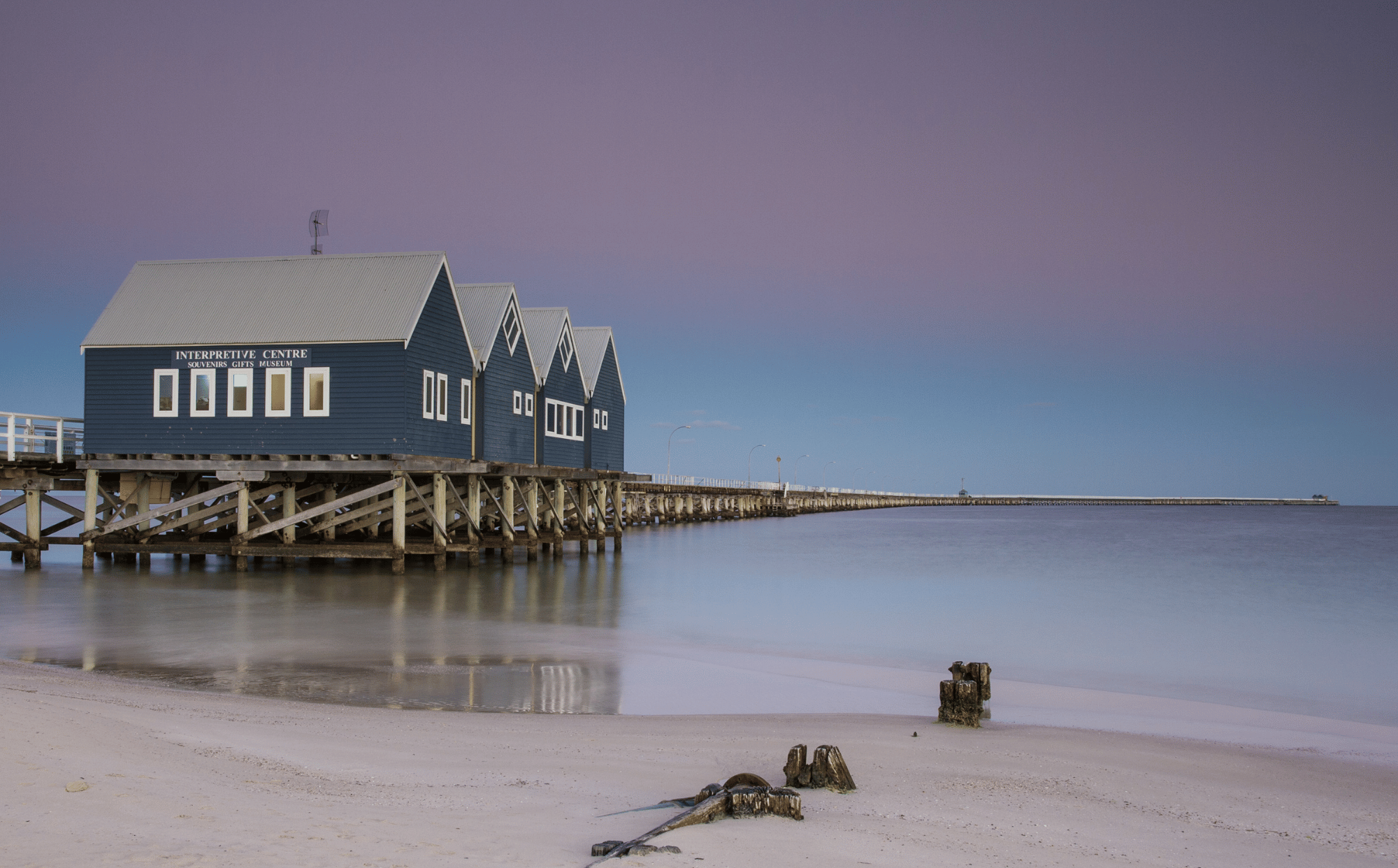
The Busselton regional centre also reached a significant milestone during the quarter, with its median house sale price surpassing $1 million for the first time.
Demand remains strong across the South West, supported by lifestyle appeal, infrastructure investment and continued population growth.
While affordability pressures are beginning to emerge in some areas, nearby communities and new land releases are helping provide opportunities for buyers entering the market.

Regional Rental Markets Remain Tight
Rental conditions across regional WA remain challenging in many locations, particularly in mining and resource-based communities.
Karratha recorded the strongest rental growth for the quarter, with median weekly rents increasing 11.5 per cent to $1,450. Over the past 12 months, rents in the region have risen 31.8 per cent.
According to REIWA, demand from mining companies, contractors and government departments continues to place pressure on available housing stock.
The vacancy rate in Karratha remains critically low, highlighting the ongoing need for additional housing supply and long-term residential solutions across regional WA.
What This Means for Regional Housing
The latest figures highlight the growing demand for housing across many regional centres, particularly in areas experiencing infrastructure investment, population growth and economic expansion.
As affordability pressures continue in metropolitan areas, regional communities are increasingly attracting buyers seeking lifestyle opportunities, investment potential and long-term value.
At the same time, constrained supply and construction challenges continue to place pressure on both sales and rental markets, reinforcing the importance of delivering quality, sustainable housing solutions across regional Western Australia.
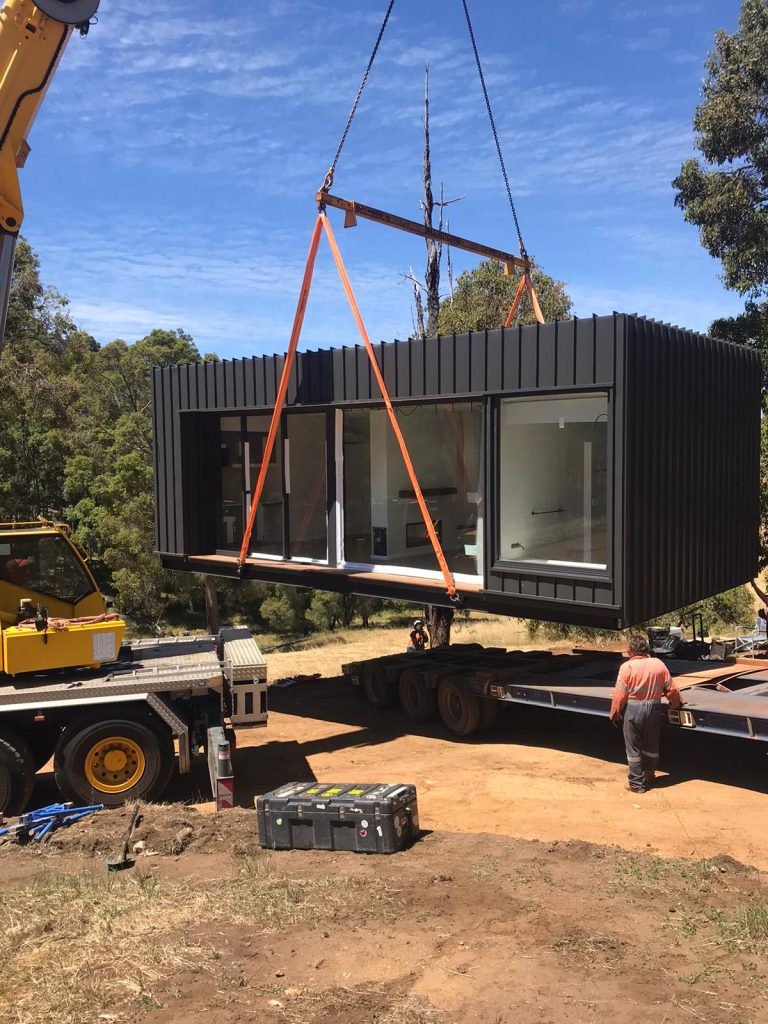
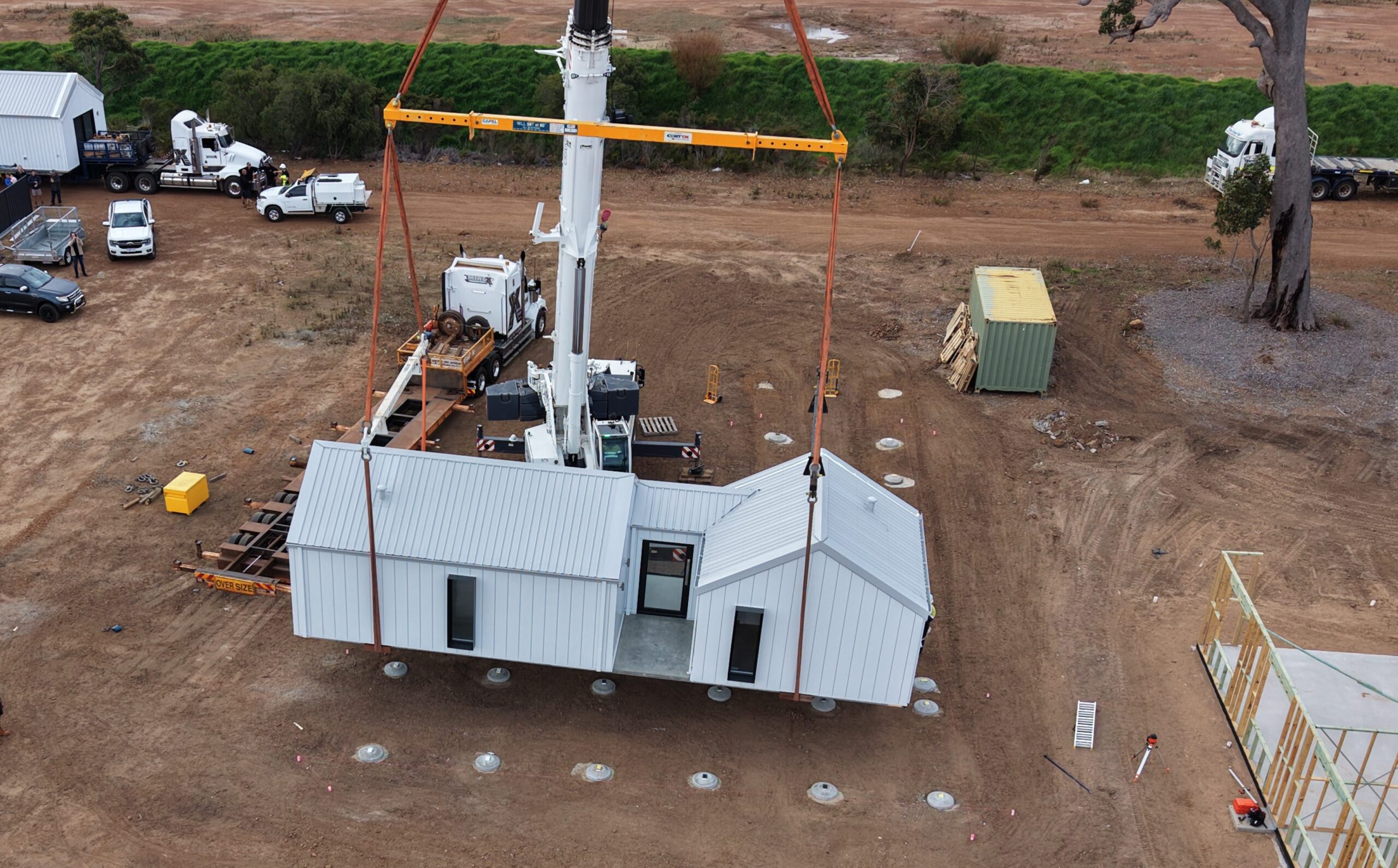
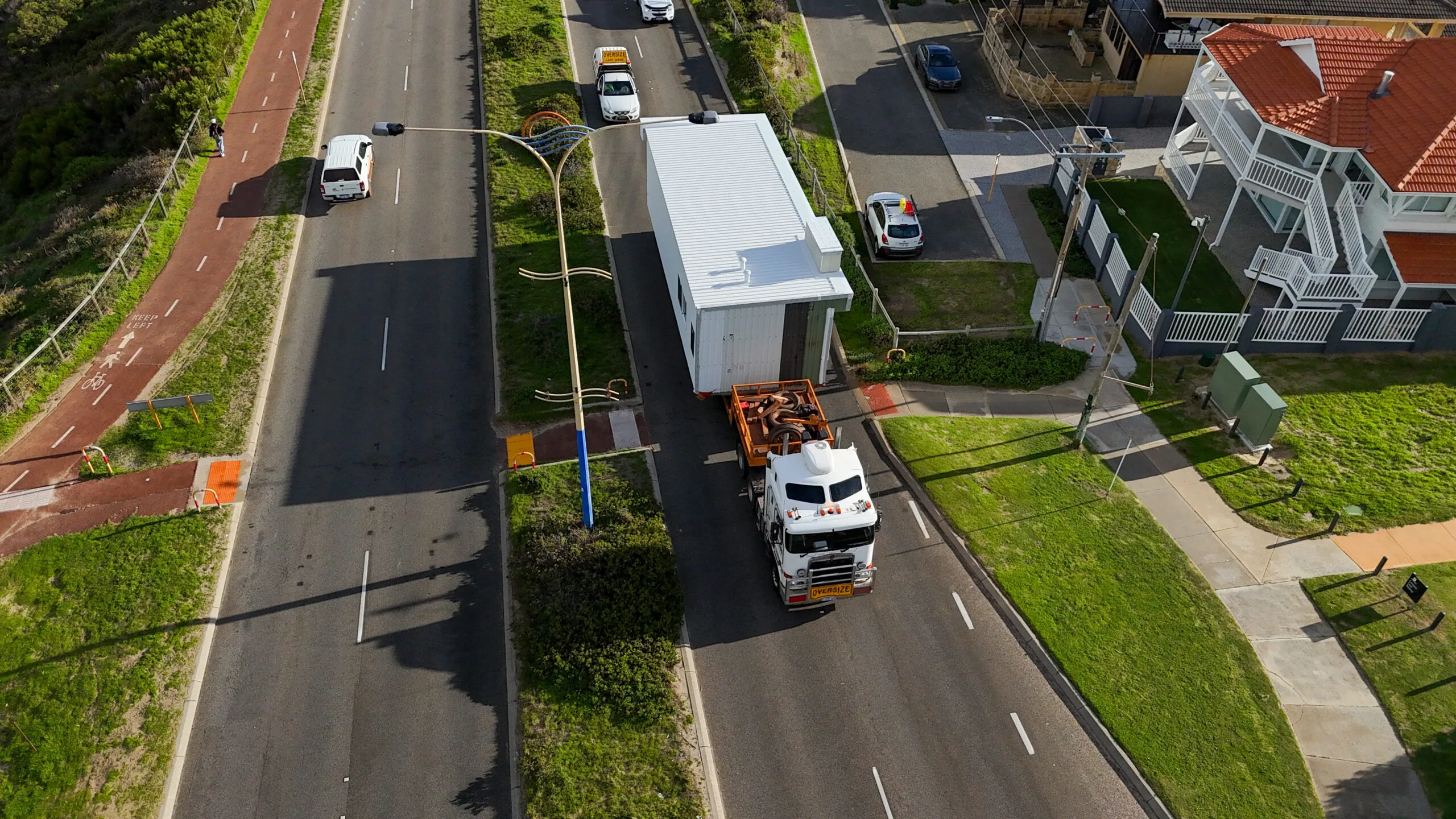
For modular and prefabricated housing providers, these trends present an opportunity to help address supply shortages more efficiently while supporting the growth of regional communities.
Source: REIWA regional market data, March 2026 quarter
Read the full report at REIWA: https://reiwa.com.au