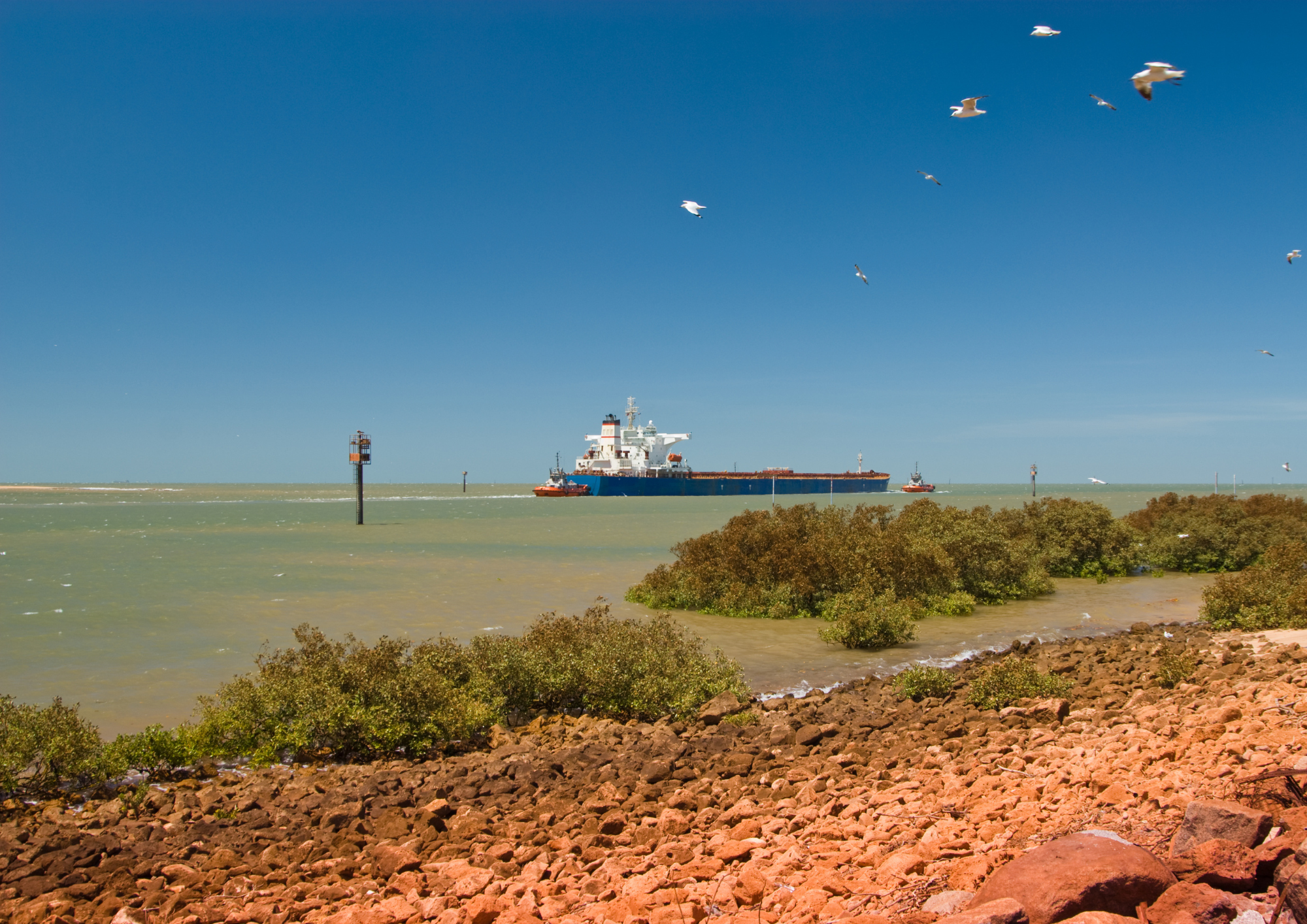
Western Australia is home to some of the most beautiful yet diverse landscapes in the world. From the sweeping coastlines of the South West to the rugged expanses of the north, building a home here requires a deep understanding of local conditions and challenges. Covering coastal strip areas across the Kimberley, Pilbara and parts of the Gascoyne, tropical cyclones are a reality that needs to be understood and respected.
When planning a build in these regional areas, it’s vital to recognise that not all homes are built to the same requirements. Local building codes dictate exactly how a home must be designed, engineered and built depending on its location.
For anyone looking to build a property in a cyclone-prone area, understanding how cyclone rating building codes apply to your project is the first step towards compliance and long-term peace of mind.
What Are Cyclone Rating Building Codes?
Building codes exist primarily to protect human life and safeguard property during extreme weather events. In Australia, building code cyclone ratings are legally mandated standards governed by the National Construction Code (NCC) and relevant Australian Standards (primarily AS 4055 and AS/NZS 1170.2). These frameworks determine the exact wind-resistance requirements a building must meet based on its location.
A home built in a cyclone-prone region can’t rely on standard construction methods. Cyclone-rated homes are engineered to withstand significantly higher wind loads. To achieve compliance, the entire structure needs to be optimised using:
- Advanced structural steel framing systems.
- Heavy-duty, engineered tie-down systems from the footings through to the roof.
- Reinforced framing and specialised wall cladding.
- Cyclone-rated roofing materials and high-strength fixings are designed to resist intense internal and external pressures.
Understanding Australia’s Wind Regions
To accurately determine the engineering requirements for any property, Australia is mapped into four distinct wind regions based on the frequency and severity of extreme winds:
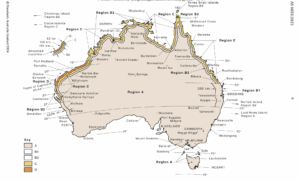
Source: National Construction Code: Part 3.10.1 High Wind Areas
Wind Region A
Region A covers most of southern Western Australia, including the Perth metropolitan area and the South West. This region is classified as non-cyclonic and experiences normal climate patterns, where standard residential building designs are perfectly adequate.
Wind Region B
Region B is a transitional zone, covering areas immediately inland and adjacent to the more severe coastal regions. This region requires a moderate step up in wind resistance to account for stronger seasonal storms and the fringe effects of fading tropical systems.
Wind Region C
Region C marks the official entry into northern Australia’s cyclonic regions. Across the coastal strip areas of the Kimberley, Pilbara and parts of the Gascoyne, homes in Region C need to be structurally engineered to withstand severe tropical cyclones and intense localised wind pressure.
Wind Region D
Region D represents Australia’s severe cyclonic region. This zone experiences the highest peak wind speeds in the country, brought on by Category 4 and 5 tropical cyclones. In Western Australia, Region D is concentrated on a specific corridor centred around Onslow and the surrounding coastlines. Buildings here need to adhere to the strictest nationwide engineering standards.
Which Parts of WA Are Cyclone-Prone?
If you’re planning to build a home along the mid-to-northern coastline of Western Australia, your property will almost certainly sit in a designated cyclonic zone. The specific geographical regions requiring cyclone-rated construction include:
Pilbara
The Pilbara coastline is home to Australia’s most severe cyclonic zone (Region D). Major regional and industrial hubs such as Karratha, Port Hedland and Onslow sit directly within this high-risk belt. These areas routinely take direct hits from the country’s most intense Category 4 and 5 tropical systems, demanding the absolute highest level of residential structural reinforcement available to withstand extreme wind speeds.
Kimberley
Encompassing Broome, Derby and surrounding coastal communities, the Kimberley sits primarily within Region C. Properties in this region face huge seasonal pressures from severe tropical cyclones and intense monsoonal weather systems, necessitating reinforced framing and heavy-duty tie-down systems.
Gascoyne
The Gascoyne region marks the transition into cyclonic territory along the mid-north coast. Towns like Carnarvon and the communities surrounding it require dedicated engineering considerations to handle the high wind loads and coastal vulnerabilities common to this stretch of Western Australia.
North West Coastal Areas
This specifically covers the highly exposed coastal fringes and peninsulas, like Exmouth on the North West Cape. Because these areas are surrounded by open water, they experience unbuffered wind pressures during a cyclone. Anyone building within 50 kilometres of the coast in these areas needs to ensure their wind classification accounts for this exposure.
What Is a Wind Classification?
While wind regions offer a broad overview, engineers need to assign a specific wind classification to individual properties. Wind classifications determine the exact level of wind pressure a home must be designed to withstand.
To determine this classification, specialists evaluate the home’s exact location, local terrain category, topography (whether the home is on a flat plain or exposed hill) and the likelihood of cyclonic weather. These metrics make sure that your home has been structurally tailored to its exact environment while fully complying with Australian building standards.
Non-Cyclonic Wind Classifications (N1–N6)
Homes built in non-cyclonic regions (Regions A and B) are assigned an ‘N’ classification:
- N1: Represents sheltered areas with low wind loads.
- N2 and N3: The most common classifications for standard residential homes across suburban Australia.
- N4 to N6: Applied to non-cyclonic sites exposed to severe localised winds, like steep hillsides, open rural plains or exposed southern coastal cliffs.
Cyclonic Wind Classifications (C1–C4)
Properties located within designated cyclonic wind regions get assigned a ‘C’ classification. These cyclonic ratings directly account for the immense wind speeds generated by tropical cyclones:
C1
The lowest cyclonic classification, typically applied to well-sheltered sites or properties with lower localised risk within a cyclonic region.
C2
Requires a higher level of wind resistance, necessitating additional strengthening and specific engineering details.
C3
Commonly required across much of northern Western Australia, including coastal areas exposed to open weather. Homes built to C3 standards necessitate incredibly strong structural framing and heavy-duty connection tie-downs throughout the entire building.
C4
The highest residential cyclonic classification in Australia. Reserved for properties in Region D or highly exposed coastal ridges in Region C. Homes built to C4 standards must withstand extreme wind loads, requiring extensive engineering, intensive reinforcement and highly specialised construction techniques.
Why Wind Classifications Matter
As your property’s wind classification rises, the structural demands on the building start scaling up dramatically. Higher classifications dictate a shift toward stronger framing systems, heavier-gauge steel, additional tie-down rods, reinforced structural connections, and impact-tested roofing and cladding.
Whether a home is built using traditional on-site methods or precision modular, it has to be independently engineered and certified to meet the mandated wind classification of its geography.

How Are Cyclone Ratings Determined?
A property’s cyclone rating or wind classification is never a matter of guesswork. Under the Australian Standard AS 4055, determining the exact pressure a home has to withstand requires a formalised engineering assessment. Structural engineers calculate this by evaluating five crucial environmental and architectural pillars:
Location
The coordinates of your property will dictate the broader weather patterns you’ll face. Building along the unbuffered North West shelf introduces severe weather risks that just don’t exist in more southern areas of the state. Establishing the exact location is the mandatory starting point for mapping out a compliance framework.
Wind Region
Once the location’s been established, it’s mapped to its designated regulatory wind zone (A, B, C or D). Each region sets a baseline wind speed that the structure must be capable of withstanding. For instance, a home in Region D must be engineered to withstand wind gusts that are significantly faster and more destructive than those in Region C.
Terrain Category
This looks at the immediate surroundings within a 500-metre radius of the site to see how exposed the home will be. Flat, open expanses (like beachfront lots, salt flats or cleared rural acreage) allow cyclonic winds to strike a building at full, uninterrupted velocity. Conversely, dense vegetation, sand dunes or surrounding houses act as natural windbreaks that help disrupt and buffer the airflow.
Topography
Wind behaves like a liquid. It accelerates drastically as it’s forced up and over geographic obstacles. This is known as the topographic “speed-up effect”. A luxury home built on an exposed hill crest, ridge line or steep escarpment will face significantly higher winds than an identical property built on flat ground or at the base of that same hill.
Building Height and Design
The final piece of the engineering puzzle is the home’s architecture. The total structural height, the pitch and profile of the roof, the presence of large glass openings and even the length of the eaves alter the home’s aerodynamic drag. Engineers analyse these elements to calculate exactly how internal and external wind pressures will distribute across the framing and tie-down points during a cyclonic event.
How Are Cyclone-Rated Homes Built?
Building a home designed for cyclonic conditions requires precision engineering from the ground up. To meet strict compliance requirements, homes should integrate several specialised design features:
Structural Steel Framing
Unlike lighter timber alternatives, high-tensile structural steel framing provides the rigid backbone necessary to absorb and distribute intense wind forces without flexing or warping.
Engineered Tie-Down Systems
A continuous tie-down chain links the roof directly to the concrete footings. High-strength steel rods, heavy-duty brackets and specialised cyclonic bolts ensure the entire structure behaves as a single, unbreakable unit anchored to the ground.
Cyclone-Rated Roofing
Roofing profiles, sheets and structural purlins need to be specifically rated for cyclonic zones. Heavy-gauge steel roofing is secured using specialised cyclonic screws and oversized load-spreading washers to prevent the roof sheeting from lifting under extreme suction.
Stronger Connections and Fixings
Every joint, wall-to-floor junction and cladding fastener must meet stringent structural standards. Every component is chosen intentionally to prevent wind penetration and structural fatigue.
Impact-Resistant Windows and Doors
During a cyclone, flying debris poses a real threat. High-strength, cyclone-rated glass, heavy-duty window frames, and reinforced debris screens are used to prevent breakage that could otherwise cause catastrophic internal pressurisation and roof failure.
Are Modular Homes Suitable for Cyclone Regions?
A common misconception among some property buyers is that modular homes are structurally weaker than traditionally built homes. In reality, the engineering behind modular construction is uniquely suited to high-wind environments.
Modular homes must comply with the exact same NCC standards and regional wind classifications as any brick-and-mortar build. When engineered for cyclone-prone regions, modular homes can be meticulously designed and certified to meet C3 and C4 classifications.
In fact, modular construction actually offers some advantages in cyclonic zones, thanks to the factory-controlled manufacturing process:
- Built inside a controlled environment, every structural weld, tie-down and high-tensile fixing is installed with absolute precision. This method eliminates the vulnerabilities often caused by the varying degrees of harsh on-site conditions in northern WA.
- Our modular homes are engineered with structural steel. Each module features its own floor chassis, rigid corner columns and roof framing. When these self-contained modules are locked together on-site, they form a double-layered, reinforced structural grid that offers exceptional resistance against the intense pressures of cyclonic forces.
- Factory construction allows for stringent, multi-stage quality control checks at every phase of production. Because structural connections are inspected before any walls are closed, fully verifiable compliance with Western Australian cyclone standards is ensured.
Building a Cyclone-Rated Home in Regional WA
At MIRA Residential, our architecturally inspired modular homes are designed to balance detail with durability. We manage the complexities of regional building codes through a structured, end-to-end framework tailored to the specific demands of each site:
- Site assessment & wind classification: We analyse your property’s geographic coordinates, surrounding topography and terrain category to calculate and confirm its official wind classification before drafting begins.
- Custom engineering & compliance: Our structural engineering team develops the precise framing, anchoring and tie-down configurations required to meet or exceed the NCC and AS 4055 standards, offering certified compliance for cyclonic conditions.
- Precision manufacturing: Construction takes place within our controlled facility, utilising heavy-gauge steel frames, cyclone-rated components and highly detailed architectural finishes.
- Secure installation: We manage the complex regional transport logistics and execute the final on-site installation, anchoring the modules to engineered footings via a continuous structural tie-down system.
By overseeing the entire journey, from initial site analysis and design through to construction and handover, MIRA Residential delivers homes engineered for resilience in Western Australia’s harshest climates.