No Two Modular Home Builders Are the Same: Choosing the Right One For You is Important
Modular homes are changing the way Western Australians think about building. Combining architectural thoughtfulness, quality materials and efficient construction methods, modern modular homes offer a considered alternative to traditional on-site construction.
Whether you’re planning your forever home, a coastal retreat, looking to downsize or exploring a long-term investment, modular construction offers the flexibility to create a home that reflects your lifestyle without compromising on quality, comfort or design.
For Western Australian homebuyers exploring modular homes, understanding the building process, materials, energy efficiency and long-term benefits is an important first step.
In this guide, we explore what elevated modular living means, how modular construction compares with traditional building and what to consider when choosing the right builder for your lifestyle and location.
What Is ‘Elevated’ Modular Living?
Some builders take modular living to the next level. Elevated modular living is about creating thoughtfully designed homes that combine architectural appeal, everyday functionality and quality construction.
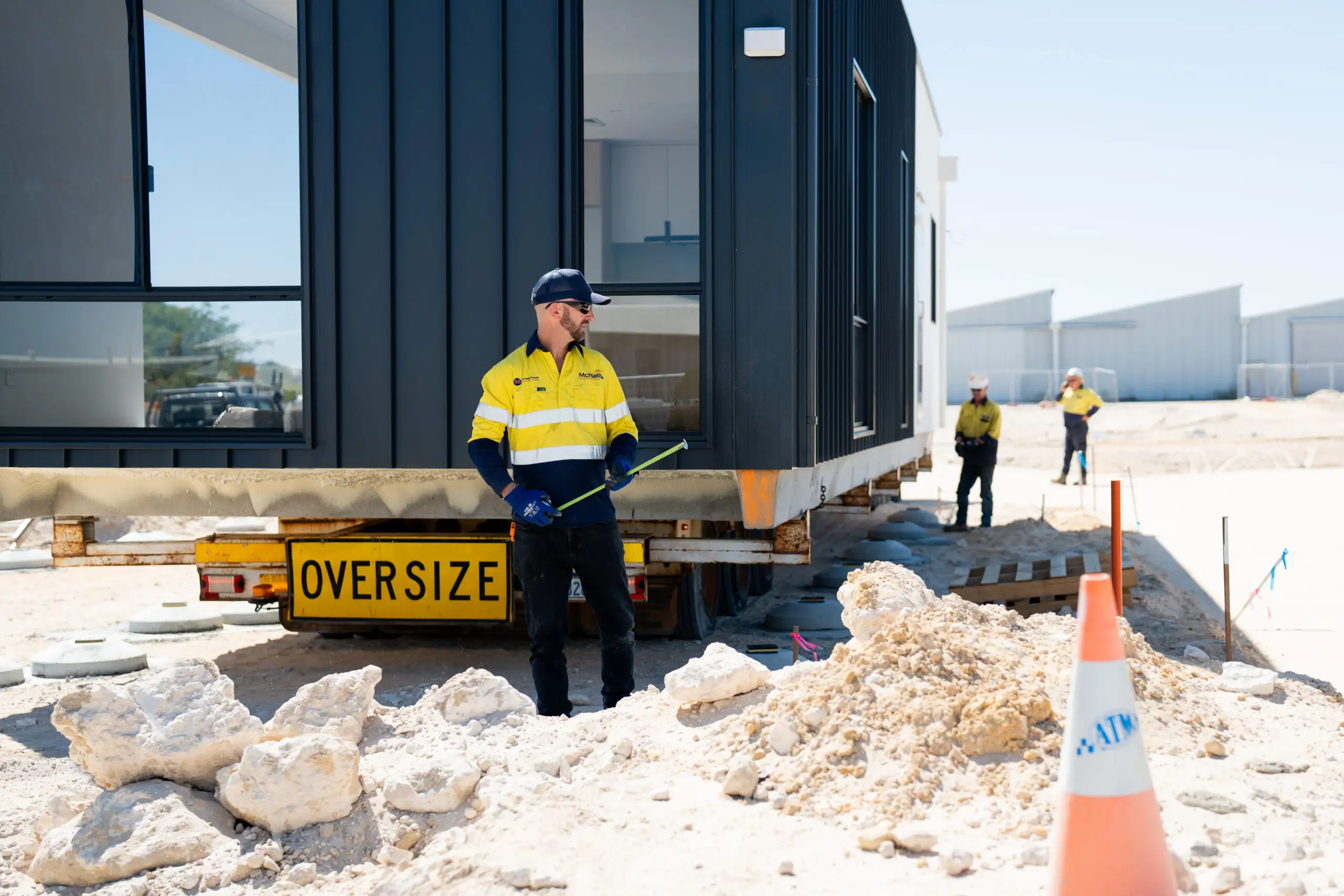
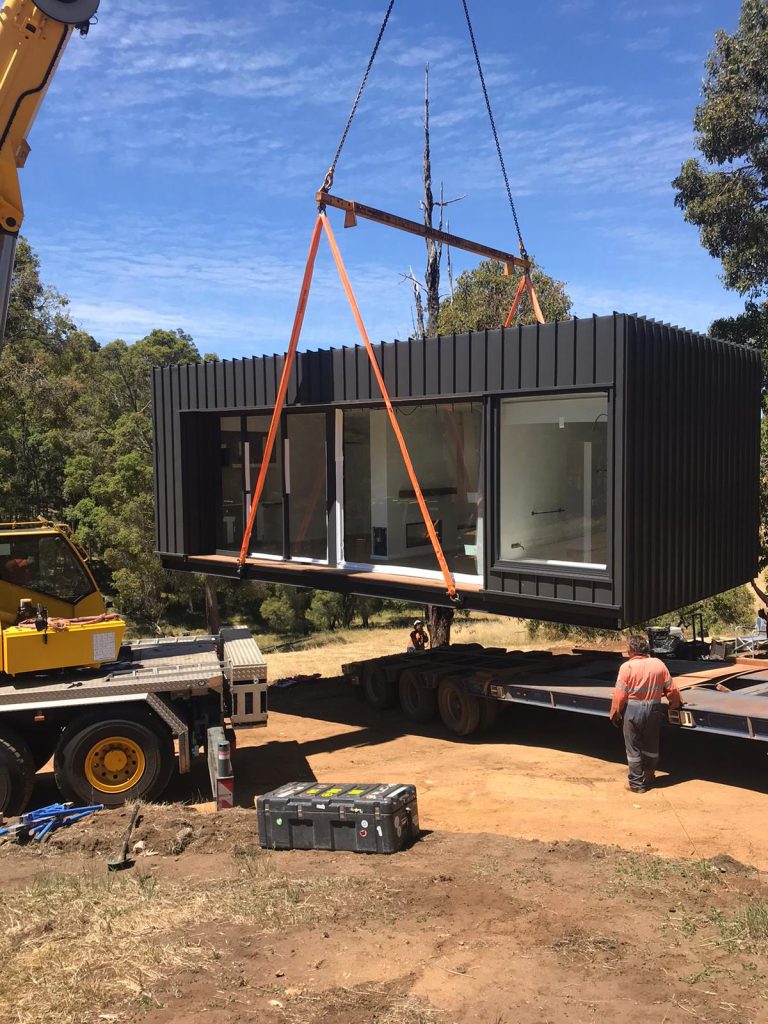
Unlike traditional building, where most construction takes place on your block, modular homes are manufactured predominantly in a controlled off-site environment. The home is constructed in sections, known as modules, before being transported to site and carefully installed onto engineered foundations.
At MIRA Residential, we believe the construction method should enhance the building experience, not limit the possibilities.
Our approach brings together architecturally inspired designs, durable materials, considered layouts and efficient construction techniques to create homes made for living.
Importantly, modular homes must comply with the applicable National Construction Code and Australian building standards, just like traditionally constructed homes.
What Sets a Quality Modular Home Apart?
When comparing modular homes in Western Australia, it’s important to look beyond the exterior and consider the design, materials and construction standards.
Architecturally Inspired Design
A well-designed home should be as functional as it is beautiful.
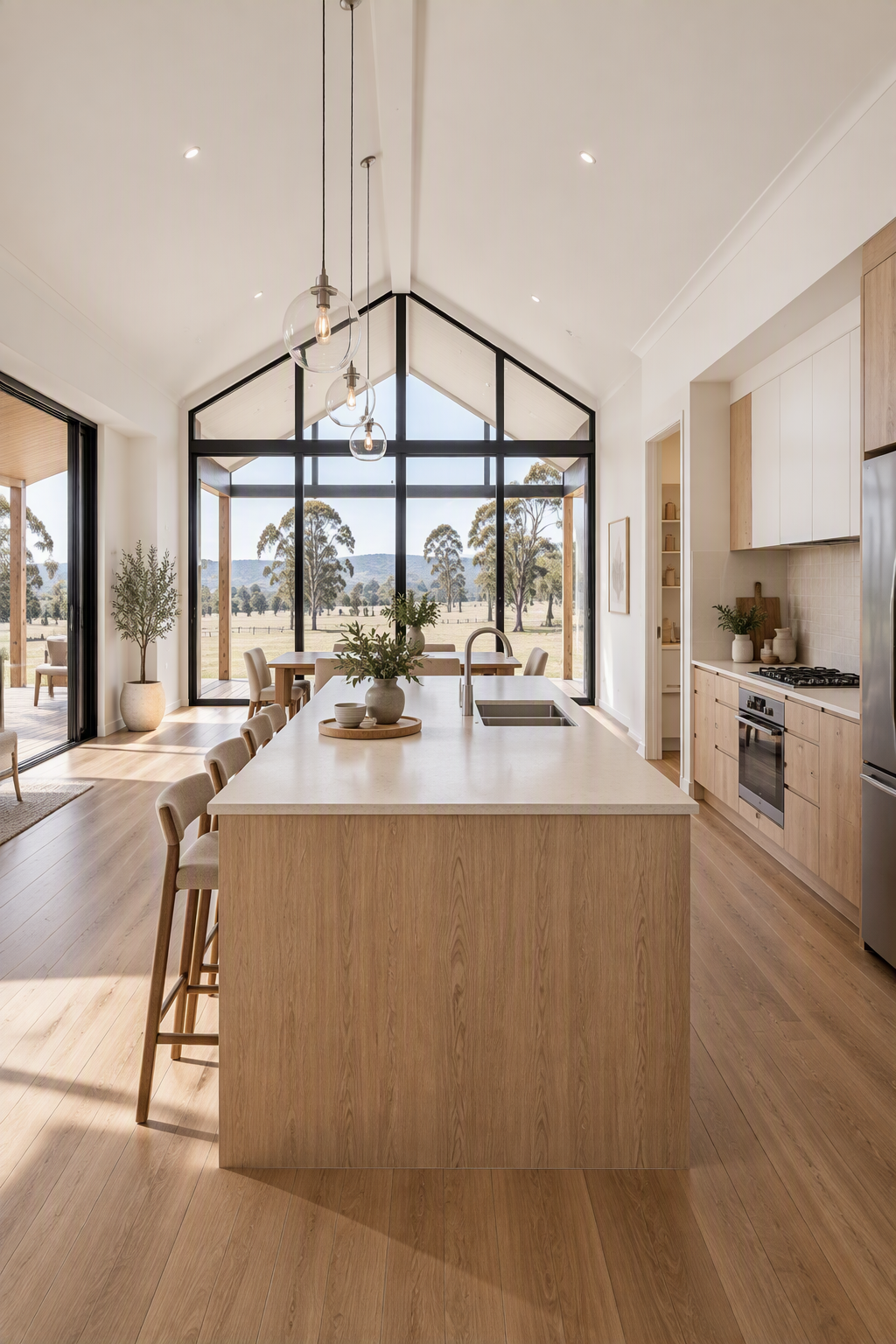
Considered floorplans, generous glazing, open-plan living spaces and seamless connections to outdoor areas can make a significant difference to how a home looks and feels.
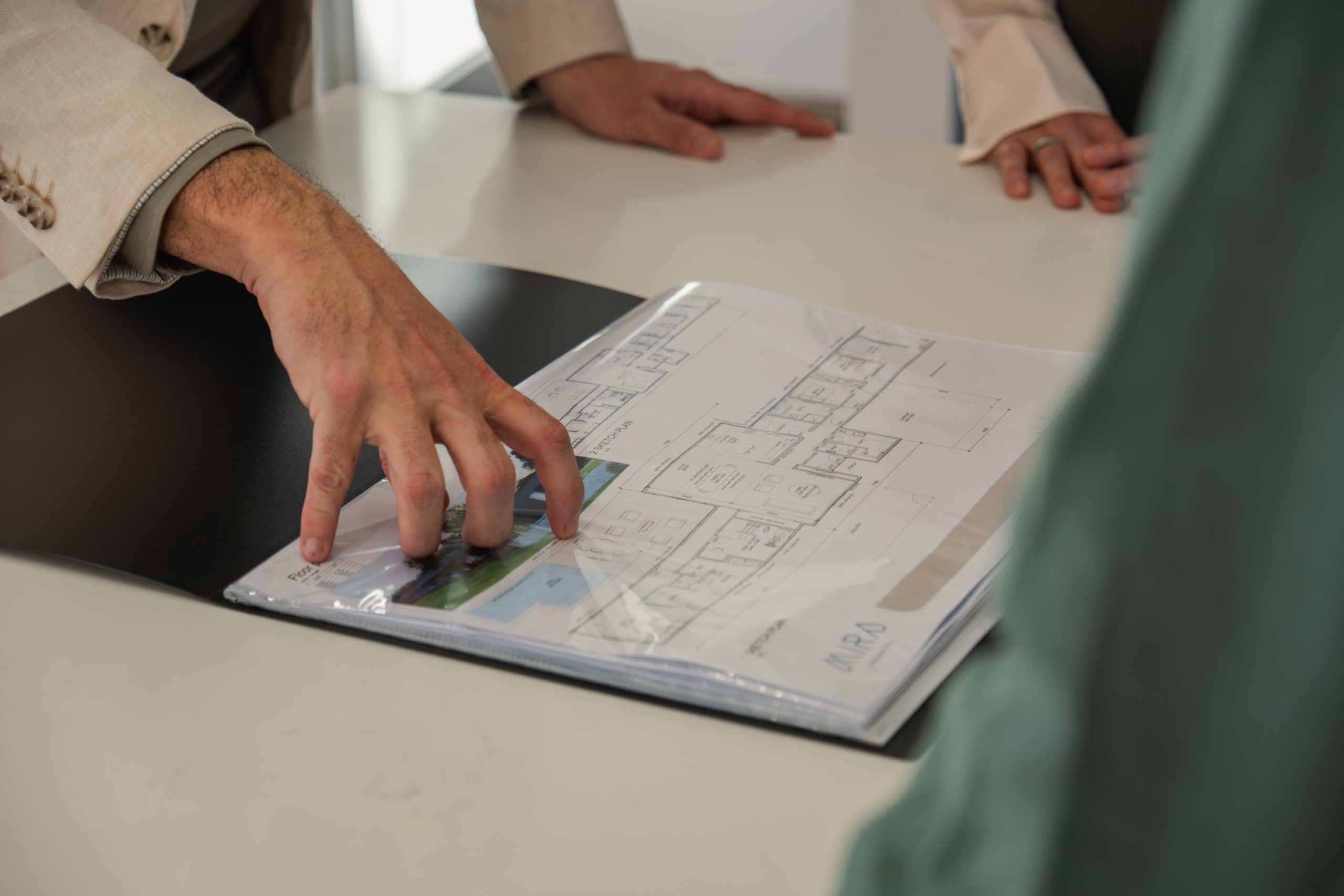
At MIRA, our designs balance aesthetics with practicality, offering flexible layouts suited to families, downsizers, investors and regional homeowners.
Quality Construction and Materials
The materials used throughout a home contribute to its durability, performance and long-term maintenance requirements.
MIRA homes feature steel framing, double-glazed windows and carefully selected materials and finishes.
Our steel frames are manufactured at our Henderson facility, allowing our team to maintain oversight throughout construction.
Energy Efficiency and Comfort
A quality home should be comfortable throughout the year.
Thoughtful orientation, insulation, double glazing and energy-efficient design can help regulate internal temperatures and reduce reliance on heating and cooling.
Energy efficiency is particularly important in Western Australia, where conditions vary significantly between coastal, metropolitan and regional locations.
Customisation and Flexibility
Your home should reflect your lifestyle.
From selecting internal finishes to modifying layouts and incorporating additional features, modular construction offers opportunities to personalise your home.
Depending on the design and site requirements, options may include raked ceilings, additional glazing, verandahs, outdoor entertaining areas and tailored floorplans.
Modular Homes vs Traditional Building: What’s the Difference?
Both modular and traditional construction can deliver high-quality, permanent homes. The primary difference is where and how the home is built.
| Consideration | Modular Construction | Traditional Construction |
|---|---|---|
| Construction location | Predominantly off-site | Predominantly on-site |
| Timeline | Manufacturing and site works can overlap | Construction is generally more sequential |
| Weather exposure | Reduced during manufacturing | Greater exposure throughout construction |
| Quality control | Inspections within a controlled production environment | Inspections throughout on-site construction |
| Design flexibility | Standard and customised designs, subject to transport requirements | Custom designs, subject to site and budget |
| Site disruption | Reduced duration of major on-site activity | Extended on-site construction activity |
| Compliance | Applicable building codes and standards | Applicable building codes and standards |
Is Modular Construction Faster?
One of the key advantages of modular construction is the ability to complete certain stages simultaneously.
While your home is manufactured at our Henderson facility, site preparation and foundation works can progress separately, where approvals and project sequencing allow.
At MIRA, the manufacturing phase averages approximately 12-16 weeks, although individual projects may take more or less time depending on design, specifications and customisation.
The overall timeline also includes design development, approvals, site preparation, transport, installation, connections and handover, taking the full new-home project to about 12 months.
This approach can be particularly beneficial for regional Western Australian projects, where traditional building may be affected by brick shortages, trade availability and logistical challenges, stretching the full project length to two or three years.
Modular Homes for Family Living
For growing families, choosing a home is about more than the number of bedrooms.
Functional layouts, storage, privacy and shared living areas all contribute to creating a comfortable family environment.
Modular homes can incorporate spacious open-plan kitchens, separate bedroom zones, additional living spaces and outdoor entertaining areas.
At MIRA, our range includes compact one-bedroom homes through to larger three and four-bedroom designs, with opportunities to customise layouts to suit changing lifestyle needs.
Modular Living for Downsizers
Downsizing doesn’t have to mean compromising on comfort or design.
For homeowners looking to simplify their lifestyle, modular construction offers an opportunity to create a thoughtfully designed, low-maintenance home.
Single-storey layouts, practical storage, open-plan living and accessible design considerations can all contribute to comfortable living over the long term.
Are Modular Homes a Good Investment?
Modular homes can be considered for long-term rental investment, regional workforce housing and short-stay accommodation.
For investors, construction efficiency, durability, functional design and ongoing maintenance requirements are important considerations.
A well-designed modular home may suit a long-term rental investment where there is demand for quality residential accommodation.
However, as with any property investment, potential returns depend on location, land costs, rental demand, finance, ongoing expenses and market conditions.
For regional accommodation and tourism projects, off-site manufacturing can also reduce the amount of construction activity required in remote locations.
How Much Do Modular Homes Cost in Western Australia?
The cost of a modular home varies depending on the design, size, specifications, level of customisation and location.
While modular construction can offer efficiencies, it is important to understand that a quality modular home is not necessarily a cheaper alternative to traditional building.
At MIRA, our focus is on delivering thoughtfully designed homes using quality materials and efficient construction methods.
When comparing quotes, consider the complete project scope rather than the advertised base price alone.
Additional costs may include site preparation, foundations, transport, installation, utility connections, approvals and upgrades, depending on the builder’s inclusions.
The best comparison considers total project cost, construction quality, inclusions and long-term value.
What Should You Look for When Choosing a Modular Home Builder?
Choosing the right builder is one of the most important decisions in your building journey.
Consider their experience, construction quality, design flexibility, transparency, regional delivery capability and approach to customer service.
Ask for:
- Their builder’s registration number
- If they offer home indemnity insurance
- Past client home builds (videos, photos, testimonials)
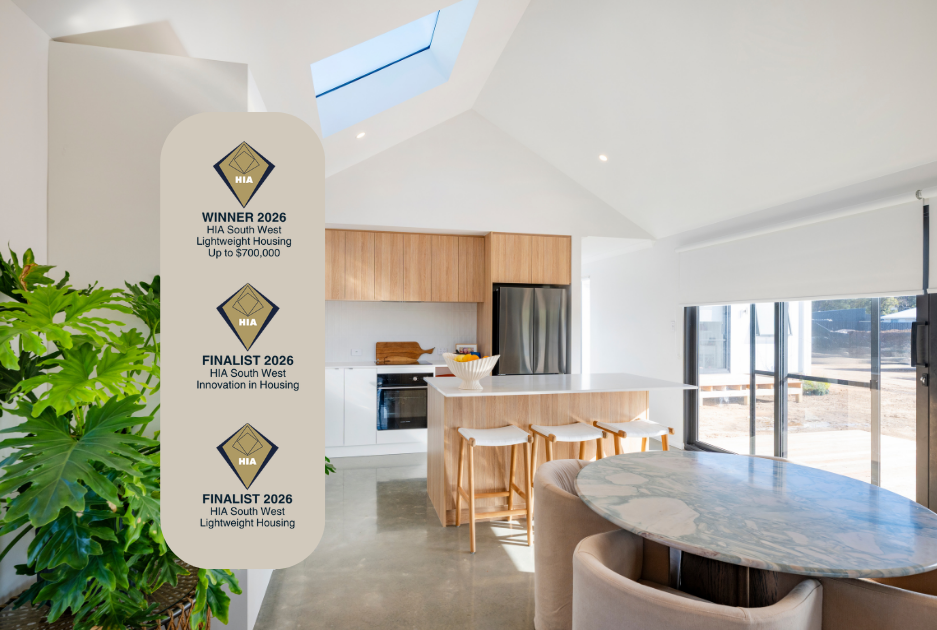
- Ask about award wins
At MIRA Residential, we combine modular construction expertise with a customer-focused approach and clear communication throughout the building journey.
Our dedicated Client Portal also allows homeowners to access project updates, documents and important information as their home progresses.
Why Build with MIRA Residential?
At MIRA, we believe your home should be as considered as the life you live within it.
Backed by the experience of McNally Group, we combine established construction expertise with a modern approach to residential building.
Our homes are manufactured at our Perth-based facility in Western Australia, where our team oversees construction within a controlled production environment.
From architecturally inspired designs and steel framing to double glazing and quality finishes, every detail is considered with comfort, functionality and durability in mind.
We offer a range of standard designs and customisation opportunities, with homes delivered throughout metropolitan and regional Western Australia.
Most importantly, we understand that building a home is a significant investment. Our approach focuses on transparency, communication and creating a positive experience from the initial conversation through to handover.