Sustainability is becoming an increasingly important consideration for Western Australians looking to build a new home. From energy efficiency and water conservation to responsible material selection and construction waste, homeowners are looking for practical ways to reduce their environmental impact without compromising on quality, comfort or design.
At MIRA Residential, sustainability is considered throughout our construction process, from the way we manufacture our modular homes in Perth to the materials, fixtures and technologies we incorporate.
Our approach focuses on making considered choices that support efficient construction, long-term durability and more sustainable everyday living.

1. More Efficient Construction Through Modular Manufacturing
One of the key advantages of modular construction is the ability to manufacture homes within a controlled environment.
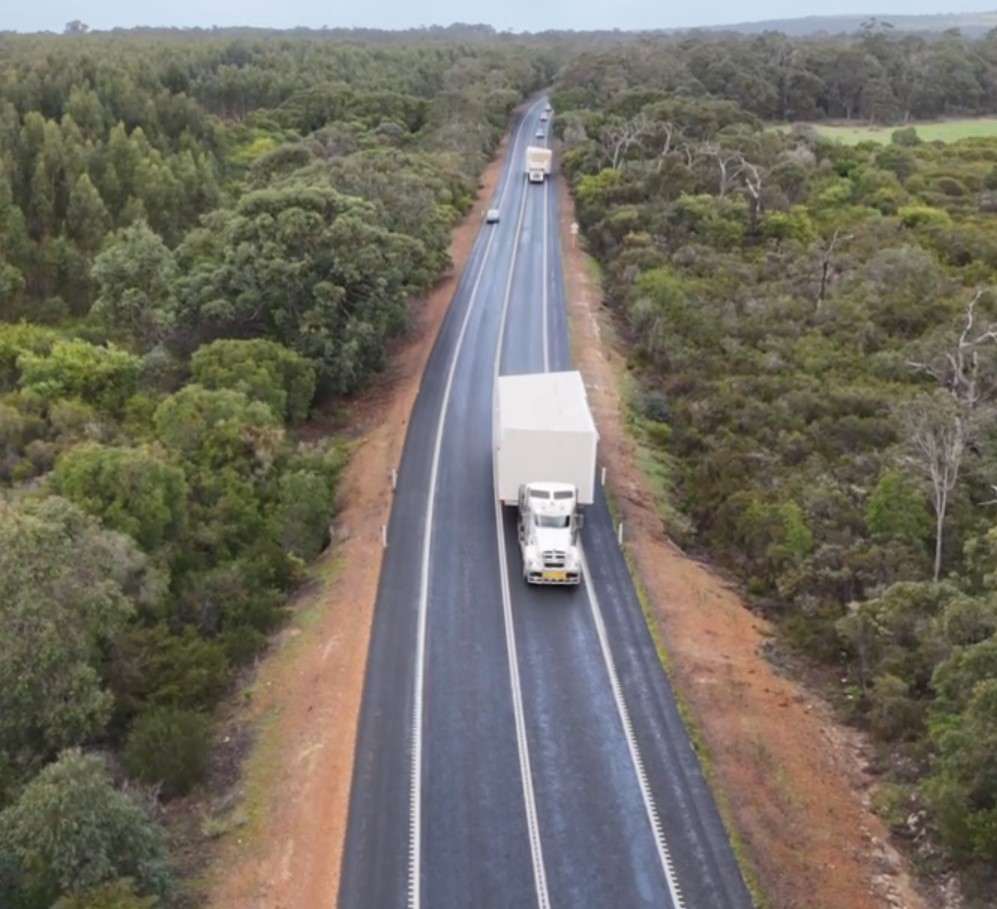
At MIRA, our modular homes are constructed at our Perth-based manufacturing facility before being transported and installed on-site. This allows us to manage materials, resources and construction processes more efficiently than would otherwise be possible across multiple individual building sites.
Our manufacturing approach supports sustainability in several ways:
- Reduced construction waste: Materials can be measured, ordered and allocated more accurately, minimising unnecessary offcuts.
- Material reuse: Suitable surplus materials can be retained at our facility and reused across future projects.
- Centralised workforce: Our trades and construction teams work from one location, reducing the need for daily travel between multiple building sites.
- Reduced on-site disruption: With the majority of construction completed off-site, there is less construction activity, waste and disturbance at the client’s property.
- Efficient project coordination: A controlled manufacturing environment allows greater oversight of resources, materials and construction scheduling.
These advantages are particularly valuable when building in regional and remote Western Australia, where material deliveries, waste removal and access to trades can present additional logistical challenges.
2. Four Types of Insulation Included as Standard
Effective insulation is one of the most important contributors to a home’s thermal performance.
In Western Australia, where temperatures can vary considerably between seasons, reducing heat transfer through the building envelope can help maintain comfortable indoor temperatures and minimise reliance on heating and cooling systems.
At MIRA, our standard home specification includes four insulation applications, meaning clients do not need to purchase these measures as optional upgrades.
Roof Blanket Insulation
Installed within the roof construction, roof blanket insulation helps reduce heat transfer through the roof, particularly during warmer months when roof surfaces are exposed to significant solar heat.
Under-Slab Insulation
Under-slab insulation helps reduce heat transfer through the floor structure, contributing to the overall thermal performance of the home.
Wall Insulation
Insulation within the wall cavities helps limit heat transfer between the internal and external environments, supporting more consistent indoor temperatures.
Ceiling Insulation
Ceiling insulation creates an additional thermal barrier between the roof space and the living areas below, helping reduce unwanted heat gain and heat loss.
Together, these insulation applications support the home’s overall energy performance and can help reduce the demand placed on heating and cooling systems.
Why We Encourage Double Glazing
While our standard insulation specification provides a strong starting point, we also encourage clients to consider upgrading to double-glazed windows.
Double glazing incorporates two panes of glass separated by a sealed cavity, helping reduce heat transfer through windows.
Depending on the glazing specification and installation, double glazing can offer benefits including:
- Improved thermal comfort throughout the year
- Reduced heat transfer through windows
- Potential reductions in heating and cooling energy consumption
- Improved acoustic performance and reduced external noise
For homes in particularly hot, cold or exposed locations, double glazing can be a worthwhile long-term investment.
3. Water-Efficient Tapware with 5 Star WELS Ratings
Water conservation is particularly important in Western Australia, where long, dry summers place ongoing pressure on water resources.
At MIRA, water efficiency is considered through our tapware selections, with products designed to balance functionality, contemporary aesthetics and responsible water consumption.
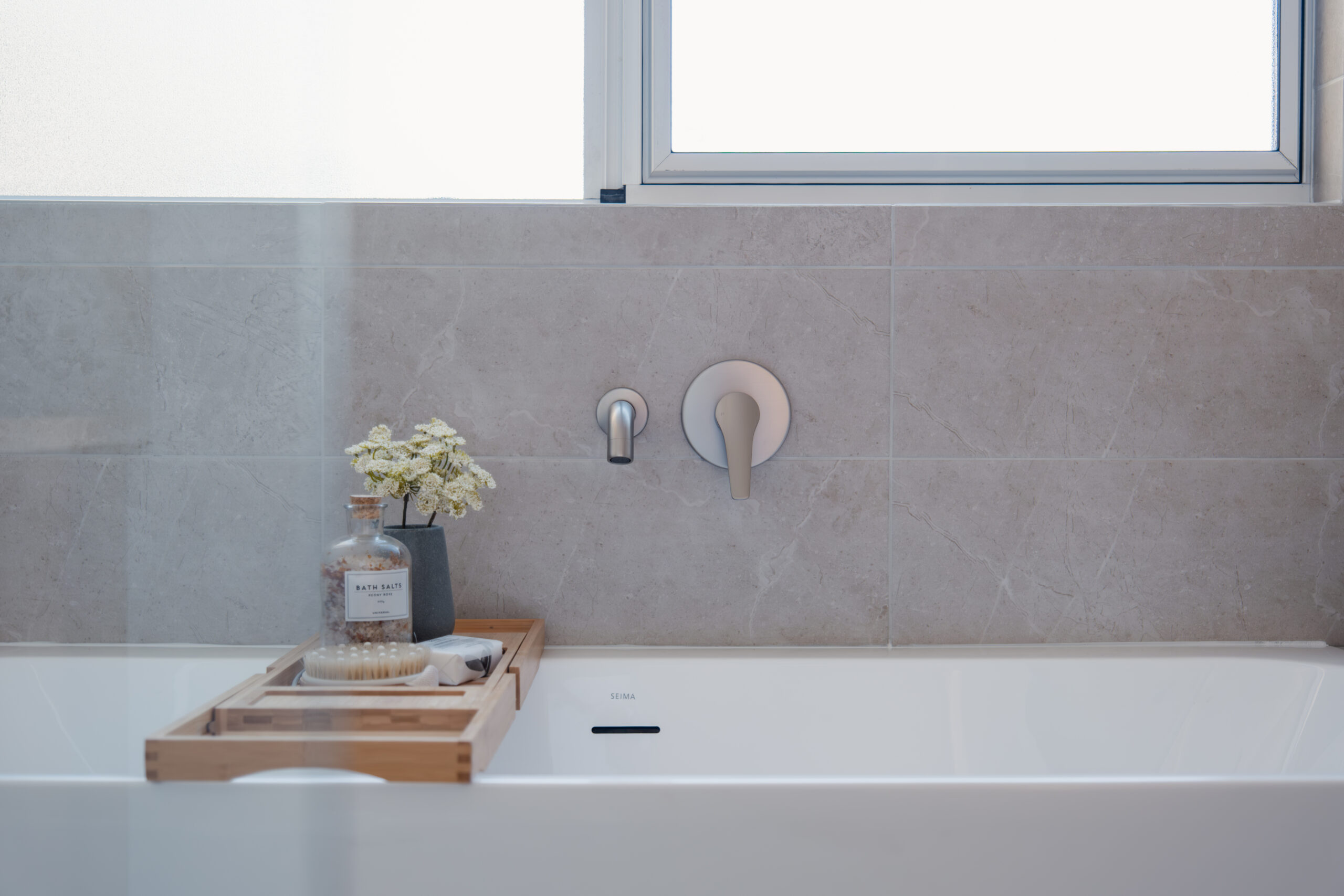
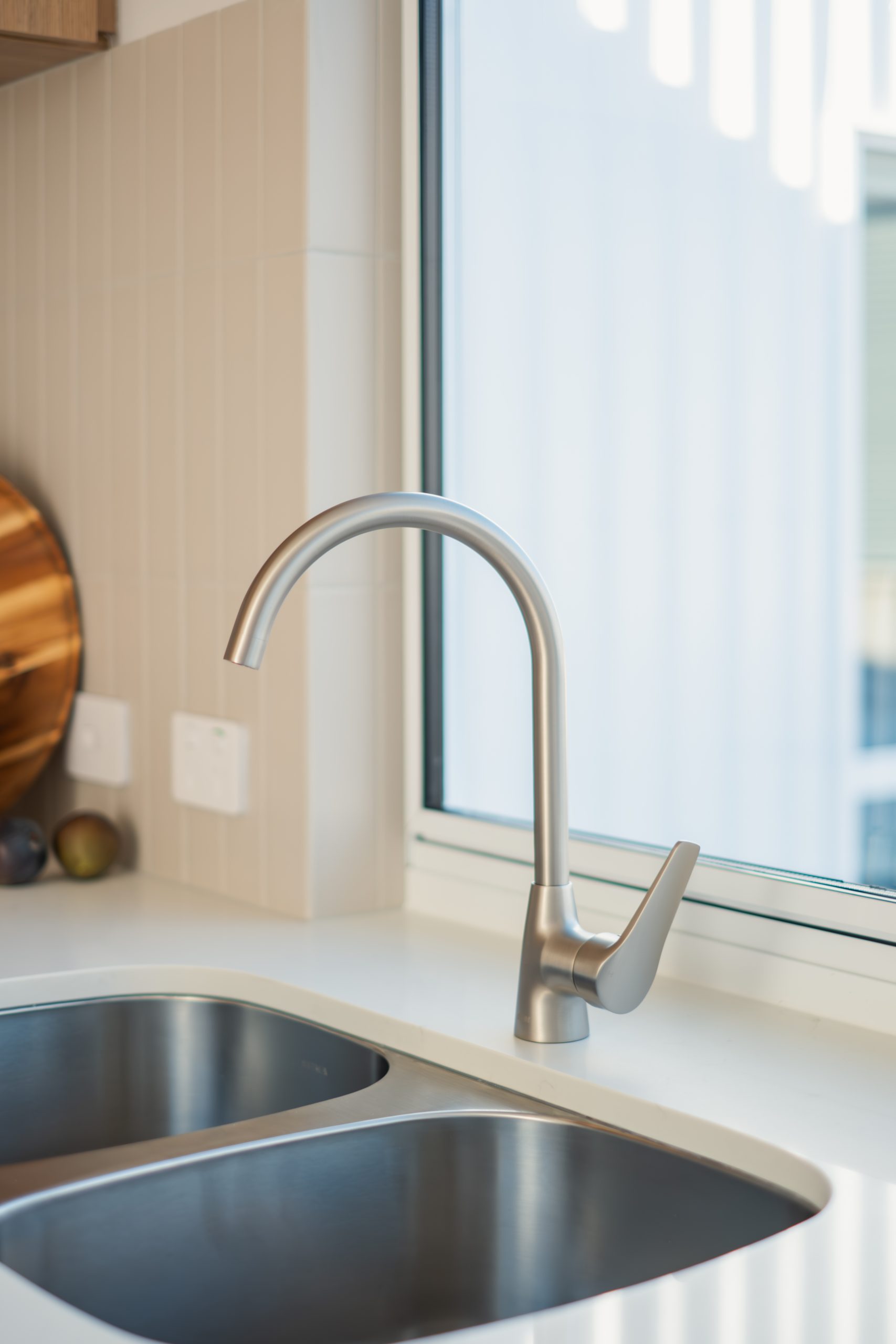
Our product guide includes Alder Flex, Soho and Samm mixer tapware, each with a 5 Star Water Efficiency Labelling and Standards (WELS) rating and a flow rate of 6 litres per minute.
These mixer ranges provide water-efficient options for kitchens and bathrooms without compromising on design.
Understanding WELS Ratings
The Water Efficiency Labelling and Standards scheme is Australia’s national water efficiency rating system.
Products are assessed and labelled according to their water consumption, allowing consumers to compare the efficiency of different fixtures and appliances.
Generally, the higher the WELS star rating, the more water-efficient the product.
For example, a mixer tap rated 5 Stars with a flow rate of 6 litres per minute uses less water over the same operating period than a comparable tap rated 4 stars with a flow rate of 7.5 litres per minute.
Water-Efficient Showers
Alder also offers shower products with different WELS ratings and flow rates.
Choosing a lower-flow showerhead can reduce water consumption, particularly in households with multiple occupants.
The specific shower products and configurations available through MIRA should be confirmed during selections.
Beyond fixtures, homeowners can also consider water-efficient appliances, rainwater tanks where suitable, and waterwise landscaping to further reduce household consumption.
4. Working with Suppliers That Prioritise Sustainability and Healthy Living
The environmental performance of a home is influenced not only by how it is built, but also by the materials and products used throughout construction.
At MIRA, we work with established suppliers and manufacturers, including Australian businesses and companies with recognised sustainability initiatives.
Where practical, we prioritise local procurement to support Australian industry and reduce unnecessary transport distances.
Clipsal by Schneider Electric
Electrical technology plays an increasingly important role in helping homeowners manage household energy consumption.
MIRA incorporates products from Clipsal by Schneider Electric, a company with established sustainability commitments across energy management, manufacturing and resource efficiency.
Schneider Electric has received international recognition for its corporate sustainability performance, including recognition in Corporate Knights’ Global 100 ranking of sustainable corporations.
Clipsal products also provide opportunities for homeowners to incorporate smart electrical technology into their homes, supporting greater control over lighting and selected electrical systems.
Polytec
Interior finishes and cabinetry are another important consideration when selecting materials for a new home.
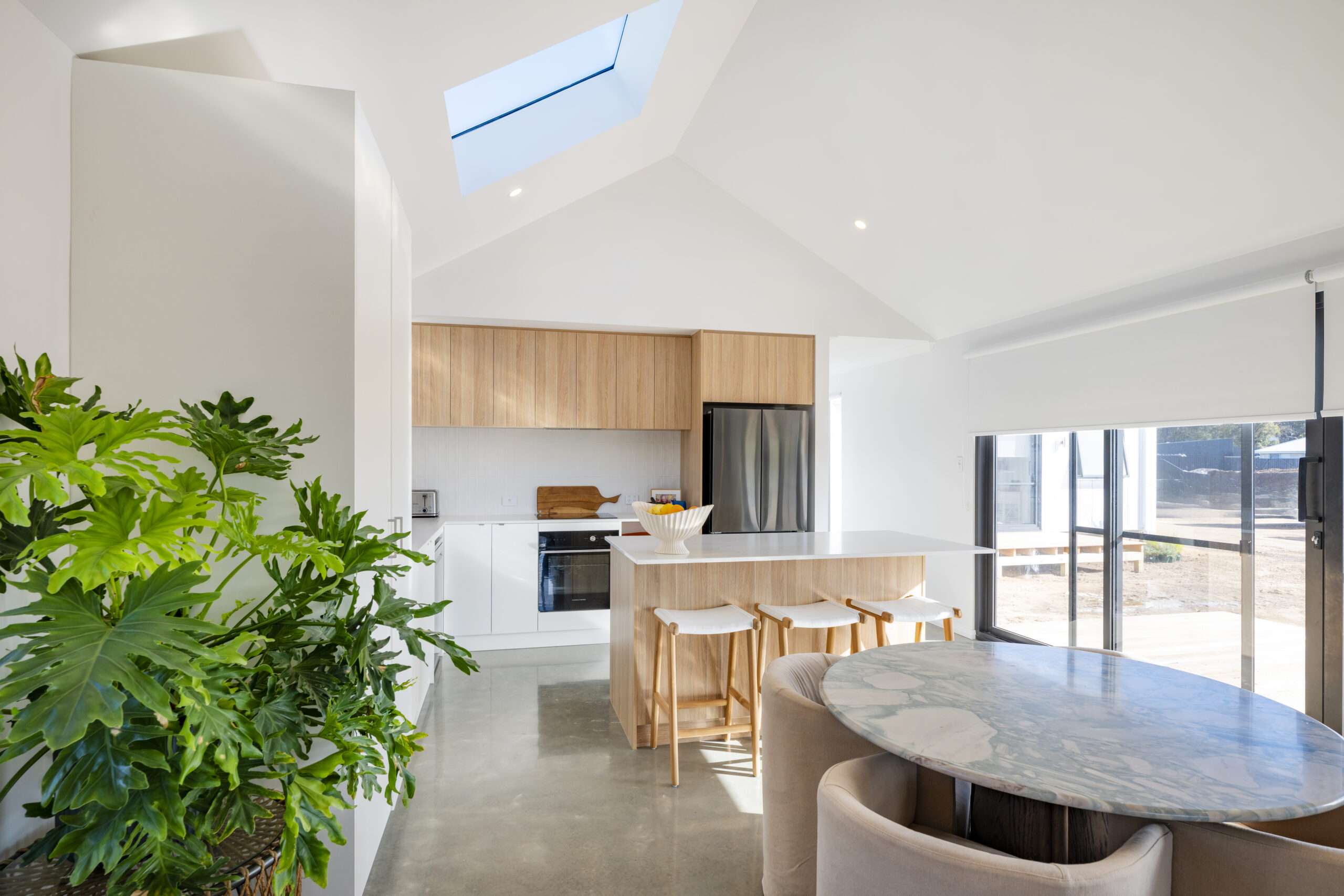
MIRA uses products from Polytec, an Australian supplier of decorative surfaces and cabinetry materials.
Polytec has sustainability initiatives covering responsible material sourcing, manufacturing processes, resource efficiency and waste management.
By working with suppliers that have established environmental programs, we can incorporate considered material choices throughout our homes.
The Importance of Local Procurement
Sourcing products through Australian suppliers can provide several advantages, including supporting local businesses, improving supply chain coordination and reducing the need for some long-distance freight movements.
Where products are manufactured locally, this may also help reduce transport-related emissions compared with equivalent products sourced internationally.
However, a product’s overall environmental footprint depends on its complete supply chain, manufacturing processes and transport requirements.
At MIRA, our focus is on making practical procurement decisions that balance quality, availability, durability and environmental considerations.
5. Energy-Efficient Hot Water with Rheem Heat Pumps
Hot water can account for a significant proportion of household energy consumption, making the selection of an efficient hot water system an important consideration.
At MIRA, clients can explore Rheem heat pump hot water systems as an energy-efficient alternative to conventional electric resistance storage systems.
How Does a Heat Pump Hot Water System Work?
Rather than generating heat entirely through an electric heating element, a heat pump uses electricity to extract heat from the surrounding air and transfer it into the water.
This process can require substantially less electricity than a conventional electric resistance hot water system under suitable operating conditions.
The potential benefits include:
- Reduced electricity consumption for water heating
- Lower ongoing energy costs, depending on household usage and electricity tariffs
- Compatibility with solar power systems, subject to system configuration
- Reduced operational emissions where electricity consumption is lowered
Actual performance will depend on the selected Rheem model, local climate, installation and household hot water demand.
For homeowners considering their long-term running costs, a heat pump can be a valuable addition to their home.
6. Smarter Homes Through Energy-Saving Technology
Sustainable living is increasingly supported by technology that helps homeowners monitor, automate and manage their energy consumption.
MIRA clients can explore smart home upgrades incorporating compatible Clipsal electrical products and automation systems.
These technologies can provide greater control over how and when electricity is used throughout the home.
Smart Lighting and Timers
Programmable lighting systems allow homeowners to establish schedules that automatically switch lights on or off at selected times.
For example, lights can be programmed to turn off after a particular time in the evening or when certain rooms are no longer in use.
This can help reduce unnecessary electricity consumption, particularly in busy households.
Remote Electrical Controls
Depending on the selected system, smart home technology may allow homeowners to control compatible lighting and electrical devices remotely.
This provides additional convenience and can help prevent energy being wasted when appliances or lighting are unintentionally left operating.
Energy Monitoring
Some smart home systems also offer energy monitoring capabilities, giving homeowners greater visibility over electricity consumption.
Understanding when and where electricity is being used can help households make more informed decisions about their energy habits.
Smart home technology is an optional consideration at MIRA, allowing clients to select features that suit their lifestyle, budget and preferred level of automation.

7. Steel Frame Construction and Long-Term Durability
Sustainability is also about constructing homes that are designed to last.
At MIRA, our homes are built using lightweight steel framing, with steel frame components manufactured through our in-house fabrication capabilities.
Steel offers several practical advantages in residential construction.
It is resistant to termite damage, does not rot and is not subject to the same moisture-related warping issues as timber framing.
Steel is also recyclable, offering opportunities for material recovery and reuse at the end of its service life.
Our controlled manufacturing environment allows us to closely manage the fabrication and assembly of structural components, supporting consistent construction quality.
Built to Australian Standards
As a registered builder in Western Australia, MIRA designs and constructs homes to meet the applicable requirements of the National Construction Code (NCC) and relevant Australian Standards.
This includes structural integrity, building safety, energy efficiency and other applicable performance requirements.
For homes located in bushfire-prone or cyclonic regions, additional site-specific construction requirements are incorporated as necessary.
Modular homes are subject to the same applicable building requirements as traditionally constructed homes. The difference is primarily where and how the home is manufactured.
8. Sustainability Starts with Everyday Living
Building a more sustainable home is not only about the construction materials and technology. It is also about creating spaces that support responsible everyday habits.
During MIRA’s prestart process, our consultants encourage clients to consider practical waste management solutions.
These can include:
- Integrated kitchen bin drawers for general waste, recycling and food organics
- Dedicated storage areas for recycling
- Space for FOGO collection systems where available
- Composting areas for suitable properties
- Functional kitchen and laundry layouts that accommodate efficient appliances
Thinking about these details before construction can make sustainable habits easier to maintain once the home is occupied.
Our modular designs also offer flexibility to accommodate changing household needs, potentially reducing the need for significant alterations or extensions in the future.
9. Balancing Sustainability, Upfront Costs and Long-Term Savings
One of the most important considerations when building a new home is understanding the relationship between upfront investment and ongoing running costs.
Not every sustainability feature needs to be an expensive upgrade.
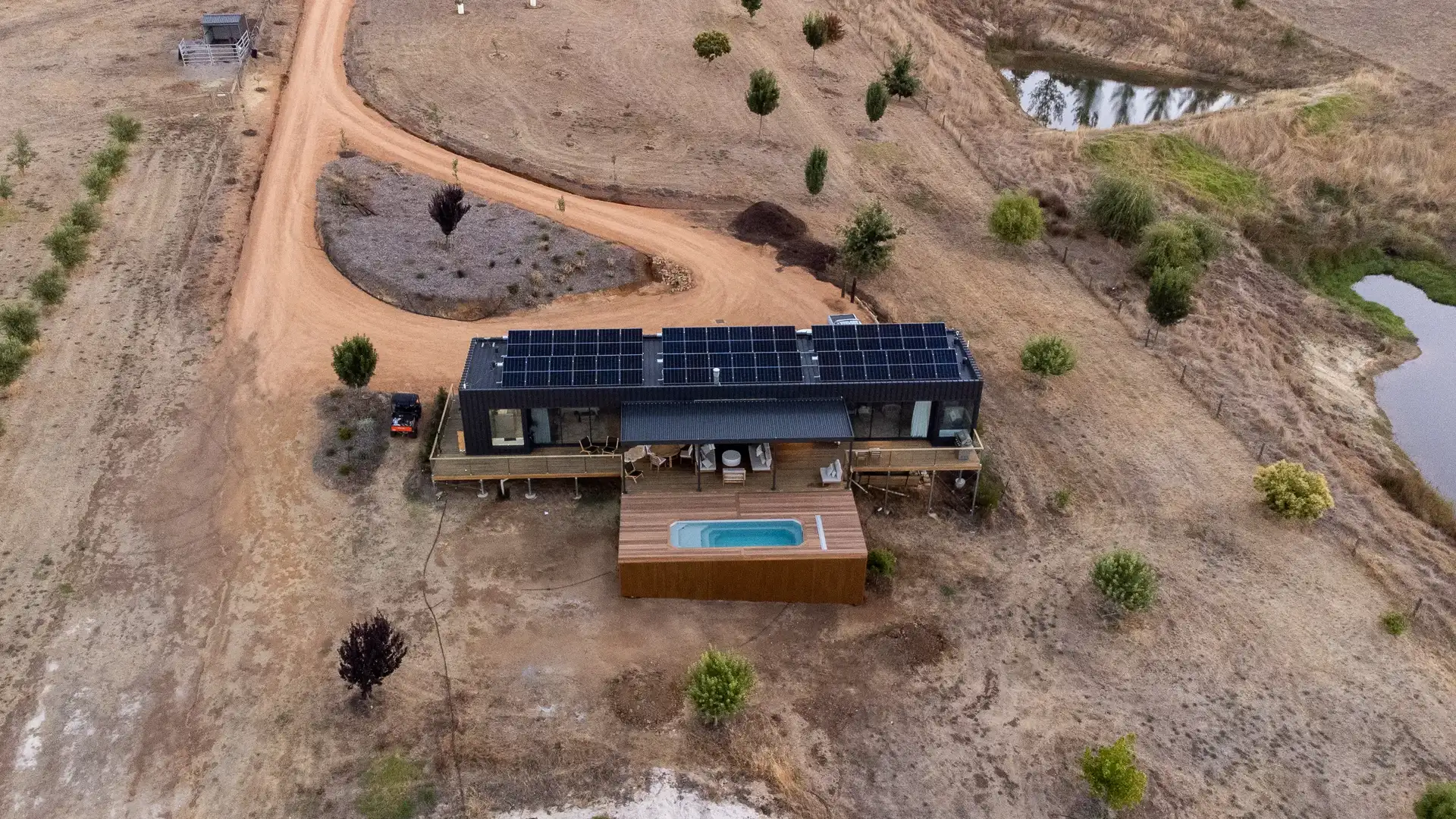
At MIRA, important efficiency measures are already incorporated into our standard specification, including our four insulation applications and water-efficient Alder mixer tapware.
From there, clients can consider additional investments that suit their budget and priorities.
For example, double glazing may help reduce heating and cooling requirements, while a Rheem heat pump can lower the electricity required for hot water production compared with conventional electric resistance systems.
Smart home technology may also help reduce unnecessary energy use through automated lighting and improved household controls.
When evaluating these options, we encourage clients to consider their home’s location, expected energy consumption, lifestyle and long-term ownership plans.
The most effective approach is not necessarily to incorporate every available upgrade, but to select features that deliver practical benefits over the life of the home.
Building More Sustainable Modular Homes in Western Australia
At MIRA Residential, we believe sustainability should be considered throughout the entire building journey.
From our Perth-based manufacturing processes and responsible material management to standard insulation, water-efficient tapware and optional smart home technology, we aim to create homes that balance quality, comfort and long-term efficiency.
Our approach combines modern modular construction with practical product selections and technologies that support more sustainable everyday living.
Whether you’re building in Perth, the South West, Great Southern or regional Western Australia, our team can help you explore the features and upgrades that best suit your property, lifestyle and budget.
Designed for life, built for the future.
Explore our modular home designs or speak with the MIRA team about creating a home that works for you.