WA Brick Shortage: What’s Causing It and What Does It Mean for Home Building?
Western Australia is experiencing a significant shortage of locally produced bricks, putting pressure on builders and homeowners across Perth and the state as a whole.
WA has historically relied heavily on brick construction, and demand for new homes is rising while local manufacturing capacity struggles to keep pace. Midland Brick is managing a heavily constrained supply, and Cardup Brickworks is being recommissioned, with production expected to resume by March 2027.
For anyone planning a build, the shortage raises an important question: how much does your construction method rely on brick availability?
What’s happening with brick supply in Perth?
There is a genuine supply constraint behind the recent headlines about the Perth brick shortage. Builders are dealing with limited availability of clay bricks while demand stays consistently high across the industry.
Current supply constraints
The current shortage is tied to local manufacturing capacity.
WA was left with one major brick manufacturer after Austral Bricks closed the Cardup operation in 2023. Since then, residential construction has surged, putting even more pressure on the remaining supply chain.
The Housing Industry Association (HIA) has confirmed that supply constraints are affecting brick products across the entire WA market. This means the issue isn’t limited to one builder or development.
Brick allocations and availability
One of the most obvious symptoms of the current shortage is the introduction of allocation arrangements for brick supply. When demand is greater than what production can supply, products need to be managed across builders and projects. For homeowners, that can make material availability a pressing concern when planning a traditional home.
That doesn’t mean every project will be delayed. Brick type, quality, builder relationships, project timings and available stock will all influence the outcome. What it does mean, however, is that brick availability needs to be discussed early on rather than assumed.
Why is there a brick shortage in WA?
The shortage developed through a combination of the demand for new homes and reduced manufacturing capabilities:
Fewer brick manufacturing facilities
The closure of Austral Bricks’ Cardup brickworks in 2023 cut the number of major brick manufacturers supplying the WA market in half.
With less local production capacity available, the industry became even more reliant on the remaining manufacturing network. That was manageable while demand was moderate, but it becomes a real problem when housing construction rises at the same time.
Rising demand for new homes
WA has been building considerably more homes in recent years. More than 24,200 new dwellings began construction in the year to March 2026, up 15.2% on the previous year, while thousands more homes remain under construction across the state.
That increasing activity is good for the market, but it also increases the demand for materials, trades and manufacturing capacity needed to build those homes. Bricks are a significant component of that broader supply chain.
WA’s reliance on double-brick construction
The impact is felt especially hard in WA because brick construction has historically been much more common here than in other parts of Australia.
A 2025 HIA-commissioned report found that 68% of detached homes in WA were built of brick, making it the only state in Australia where more than half of detached homes used the material. That also makes availability much more important to WA’s housing industry. When supply is limited, more homes are exposed to the same bottleneck.
Production capacity hasn’t kept pace
One of the underlying issues is a mismatch between supply and demand. More homes are being built while the state now has fewer brick-making facilities than it did before Cardup was shut down. Midland Brick is working to increase output through its existing operations, while the recommissioning of Cardup is expected to bring another source of locally made bricks back into the market.
Until that production is up and running, the industry still has to manage the gap between the amount of bricks being made and the amount needed for new construction.
How is the brick shortage affecting home building?
For brick-built homes, supply constraints can affect construction timelines, costs and project planning. The extent of the impact depends on the construction method, the chosen bricks and their availability.
Longer construction timelines
Bricks aren’t an isolated part of the home build. They’re part of the overall trades and construction process, which means if the required bricks aren’t there when needed, work might need to be rescheduled around them.
That doesn’t necessarily mean every home will have the same delay, but there’s more uncertainty around when certain stages are able to go ahead.
Greater uncertainty for builders and homeowners
A shortage changes the planning process. Builders need to consider current availability, lead times and allocations when scheduling work, while homeowners might need to make decisions around materials earlier than they would have otherwise.
This is especially relevant when comparing construction methods. A home relying on a material in shortage is more exposed to disruption than a home that uses a different structural system.
Pressure on construction costs
Material shortages can also put pressure on costs. The relationship isn’t as simple as a shortage automatically making bricks more expensive, though. Costs are affected by materials, labour, transport, site conditions and the overall market.
When supply is limited, builders have fewer options for sourcing materials and planning construction, which can make costs harder to predict.
What the shortage means if you’re planning to build
If you’re planning a new home in Perth, the shortage doesn’t necessarily mean you can’t build with bricks. It does mean that brick availability needs to be a part of the conversation from the beginning.
It also makes the construction method itself worth examining, which we cover further down.
Is the WA brick shortage going to end?
Brick supply in WA is expected to improve, but it’ll take some time.
The State Government has committed up to $4 million to support the recommissioning of Austral Bricks’ Cardup brickworks. Once operational, the facility is expected to increase WA’s production by around 10% to 15%.
The Cardup brickworks is being recommissioned
The Cardup brickworks was decommissioned in 2023. The current agreement will support its recommissioning, with the facility expected to resume operations by March 2027 under the government’s incentive arrangements.
The additional production should give builders greater access to locally made bricks and ease some of the current supply pressure. It’s an important step, as ramping up local production gives the industry another source instead of forcing it to rely on existing capabilities alone.
Why increasing brick production won’t solve everything immediately
Bringing additional production online takes time. The facility needs to be recommissioned, production needs to restart and new bricks need to be distributed before builders see the benefit.
The HIA also cautioned that the industry still faces a challenging period while the extra production comes online. For homeowners building now, that means future improvements shouldn’t be confused with an immediate easing of the shortage.
How the industry can move forward
Making more bricks is one part of the response, but it’s not the industry’s only option.
The broader question is how WA can improve its ability to build homes without relying on one approach for the majority of new detached housing.
Government intervention
The government has an important role in supporting the manufacturing capabilities necessary to respond to the shortage.
The investment in Cardup is one example. The WA Government is also supporting alternative construction methods via the Housing Innovation Fund, including prefabricated and modular construction, framing and other components.
Together, these measures address the shortage from two directions: making more bricks while also supporting construction methods that can reduce reliance on conventional brickwork.
Increasing brick supply
Increasing local brick production is still a crucial part of easing the shortage.
For conventional brick builds, the extra supply from Cardup should help bring back some certainty over availability and lead times.
Modular homes
Modular construction offers another way to approach the issue.
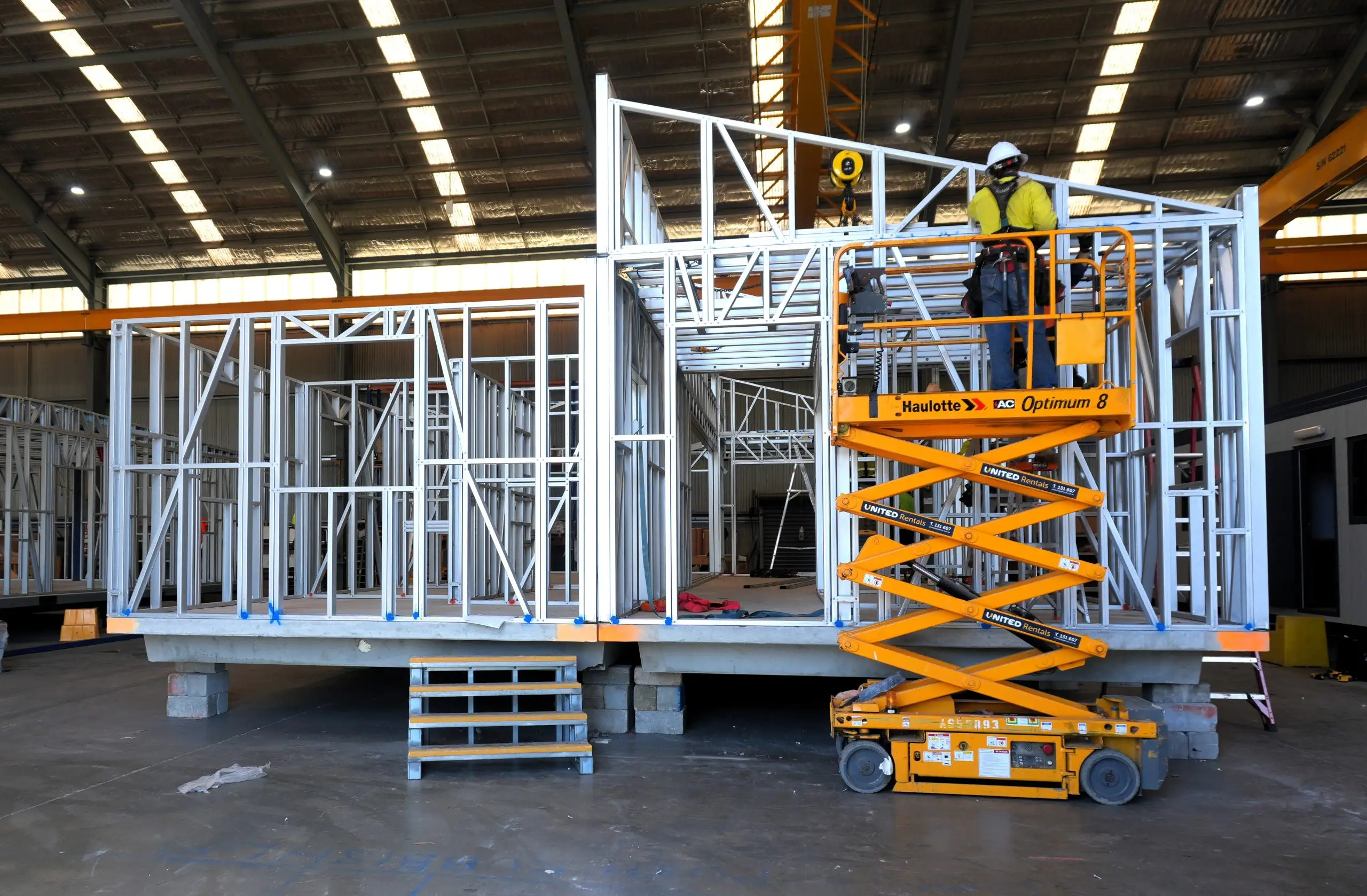
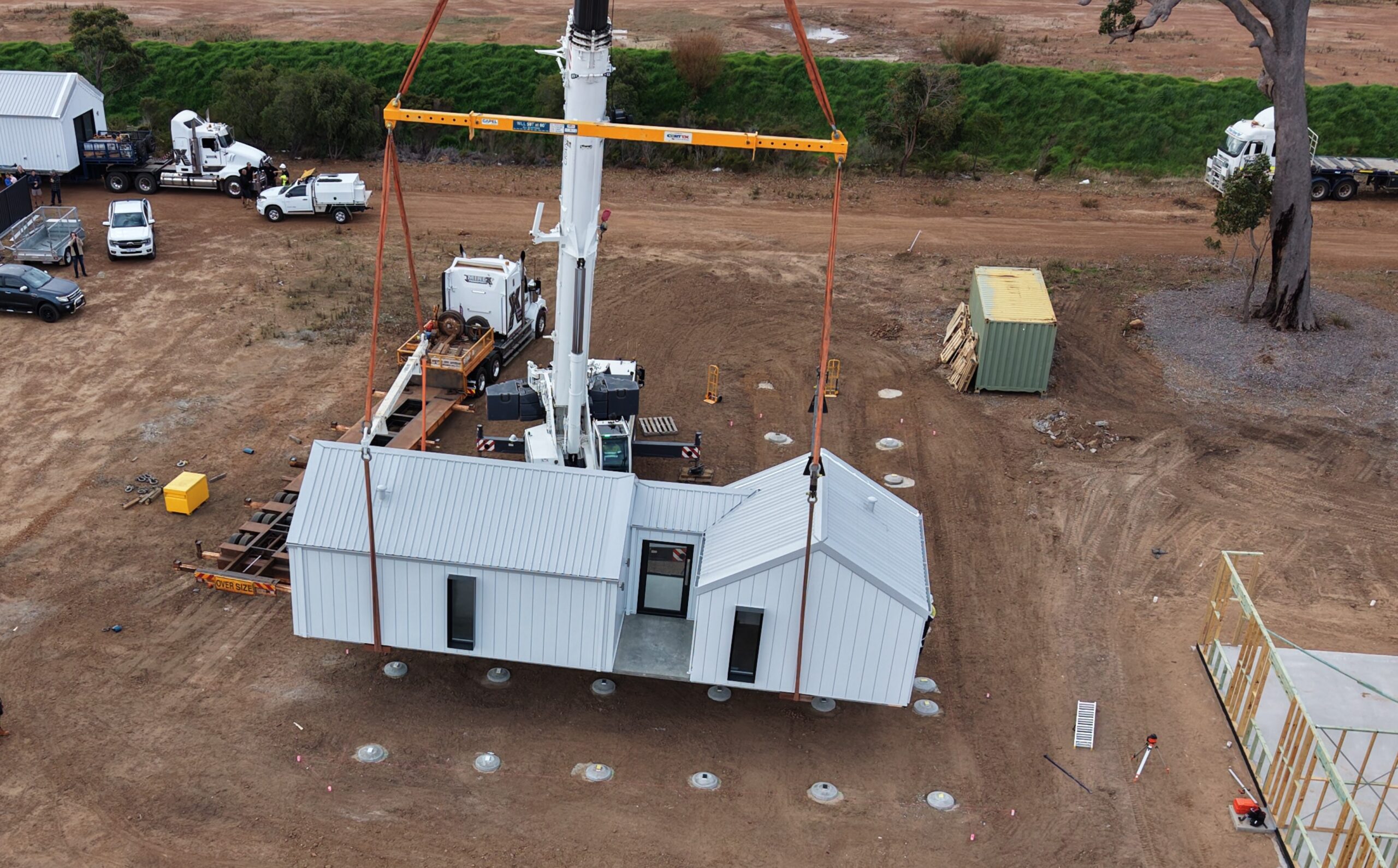
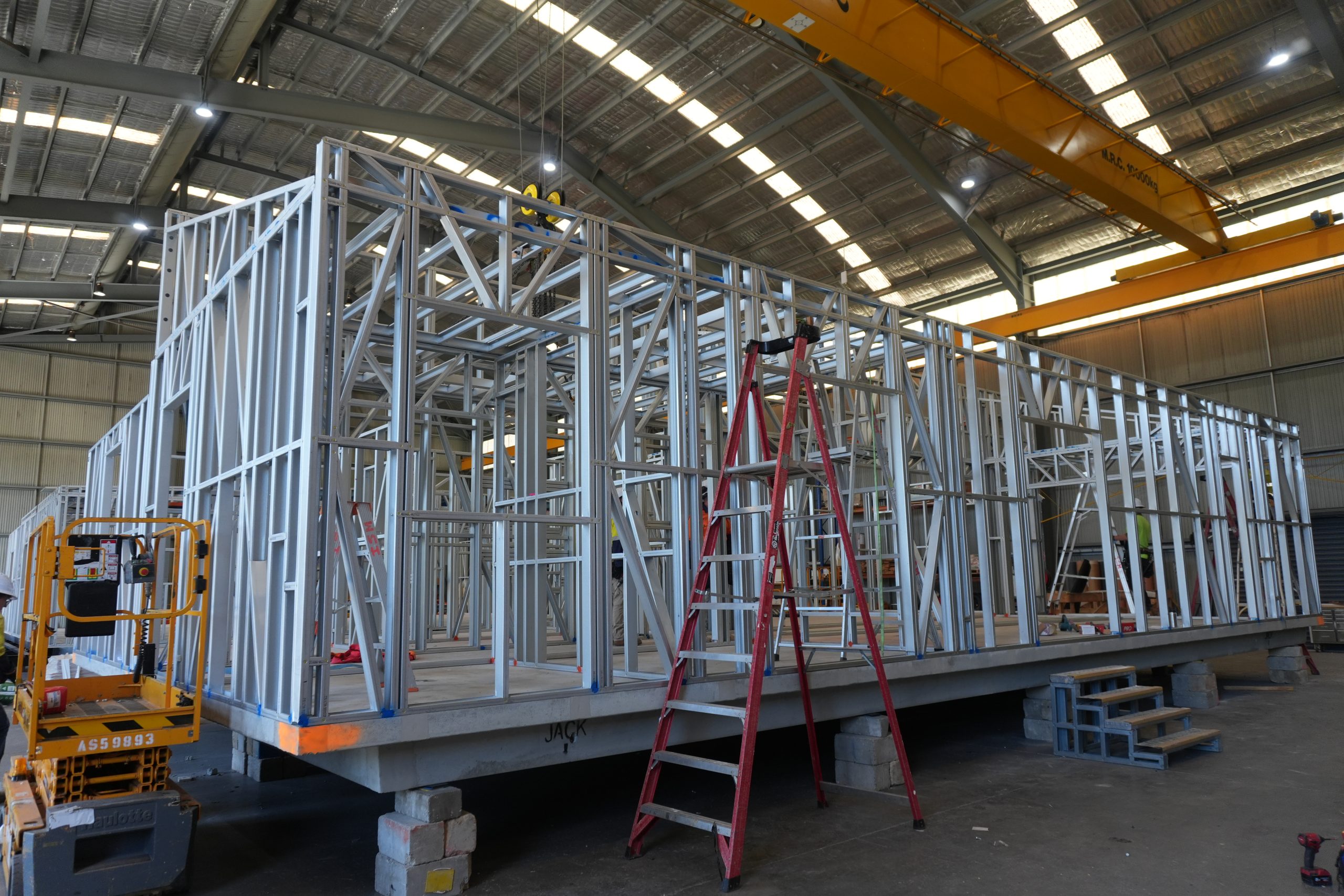
MIRA homes are built off-site in our Perth-based manufacturing yard, with the structural frame, external finishes and most of the internal fit-out finished before the modules are transported to the site.
This changes where and when most of the construction takes place. Rather than relying on traditional sequencing where brickwork is done on site as part of the build, modular uses a different system. MIRA homes use engineered steel framing, with external cladding and other finishes installed during the manufacturing process.
Because the structural frame and finishes are completed off-site, a modular home doesn’t rely on on-site brickwork in the same way as a traditional double-brick build. Site preparation and manufacturing can also progress at the same time, subject to the requirements of the individual site and home design.
MIRA Residential is a registered builder, and our homes are provided under an HIA contract with home indemnity insurance. The difference is in how the home is constructed, with much of the work completed at our Perth-based manufacturing yard before it reaches site.
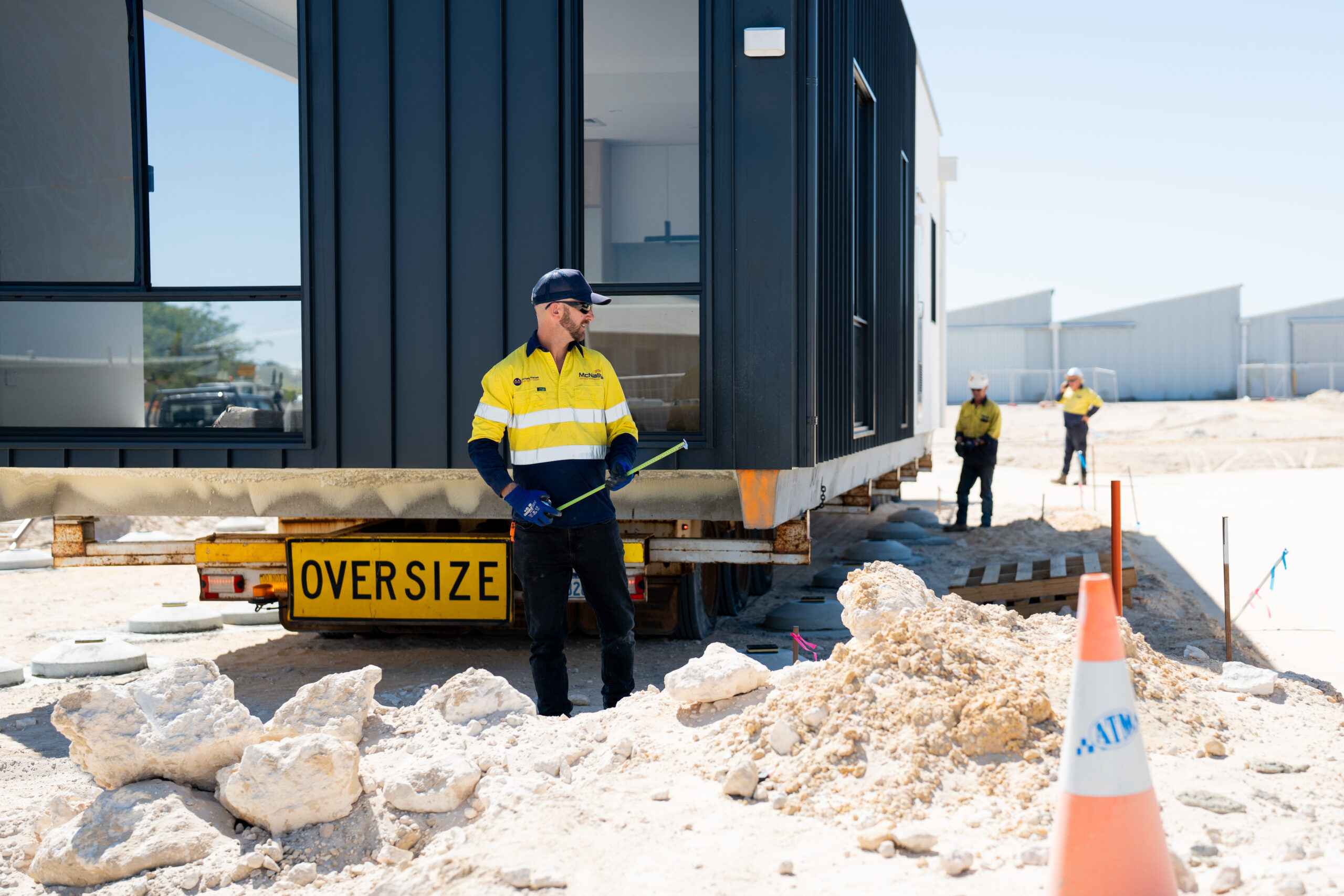
Modular isn’t a shortcut, though. Site access, foundations, approvals, transport and installation still need to be planned carefully. What it does is offer an alternative way to build, with less reliance on a material under pressure.
Other alternative building methods
Modular construction isn’t the only alternative to double brick. Steel framing, timber framing and brick veneers can all minimise the amount of brickwork required or change where it’s used in the build.
Steel and timber framing use a separate structural frame, with the wall system added around it. Brick veneer can still offer a brick exterior, but only uses a single layer of bricks as opposed to double. These methods can change how bricks are used in the home, giving builders options when a project doesn’t need to rely on double-brick construction.
What does the brick shortage mean for people building in Perth?
If you’re planning a new home in Perth, it’s worth considering how the construction method could affect your build, particularly while brick supply remains constrained.
Ask if your construction method depends on brick supply
If you’re considering a traditional brick home, ask your builder which brick types are currently available for a project like yours, and whether the bricks specified for your design are subject to allocation.
If you’re comparing different construction methods, ask how each approach depends on materials that are currently under strain, and what exactly that means for your project.
Brick is a good building material. The real question is whether it suits your design, your site and the market that you plan to build in.
Ask about the materials specified for your home
Material availability can change as the project moves, so it’s important to understand what your builder is working with before construction begins.
Ask what’s been allowed for in the proposed construction plan, whether key materials have reliable lead times and how your builder manages changes in supply.
Having that conversation early on gives you a clear picture of what the proposed timeline is based on and where there may be variables to consider.
Consider construction methods beyond traditional double brick
The current shortage has highlighted something the industry has known for a while: there’s more than one way to build a quality home.
For some homeowners, double brick will still be the right choice. For others, an alternative method might better suit their block, design, timeline or approach to managing material availability. Modular construction is one of those alternatives.
At MIRA Residential, we pair our architecturally-inspired home designs with our Perth-based manufacturing process, allowing each home to be tailored to its site and the way you live.