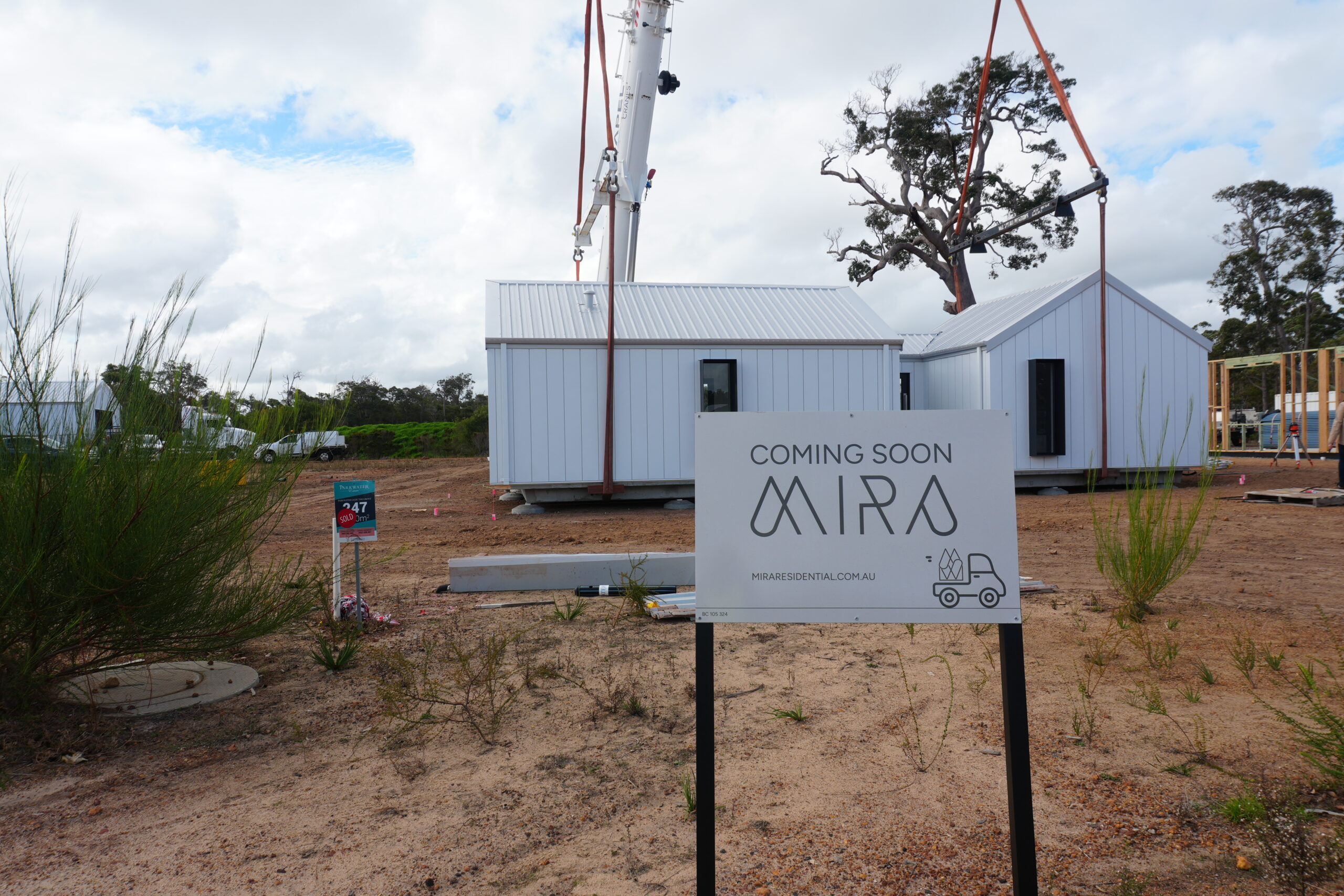
If you’re considering a modular home in Western Australia, one of the first questions you’re likely asking is: how much does a modular home cost?
The answer depends on several factors, including the size of the home, your location, site conditions and the level of customisation you choose. While modular homes are often associated with affordability and efficiency, it’s important to understand what contributes to the total project cost before starting your building journey.
In this guide, we’ll break down the key factors that influence modular home prices in WA and help you understand what to budget for in 2026.

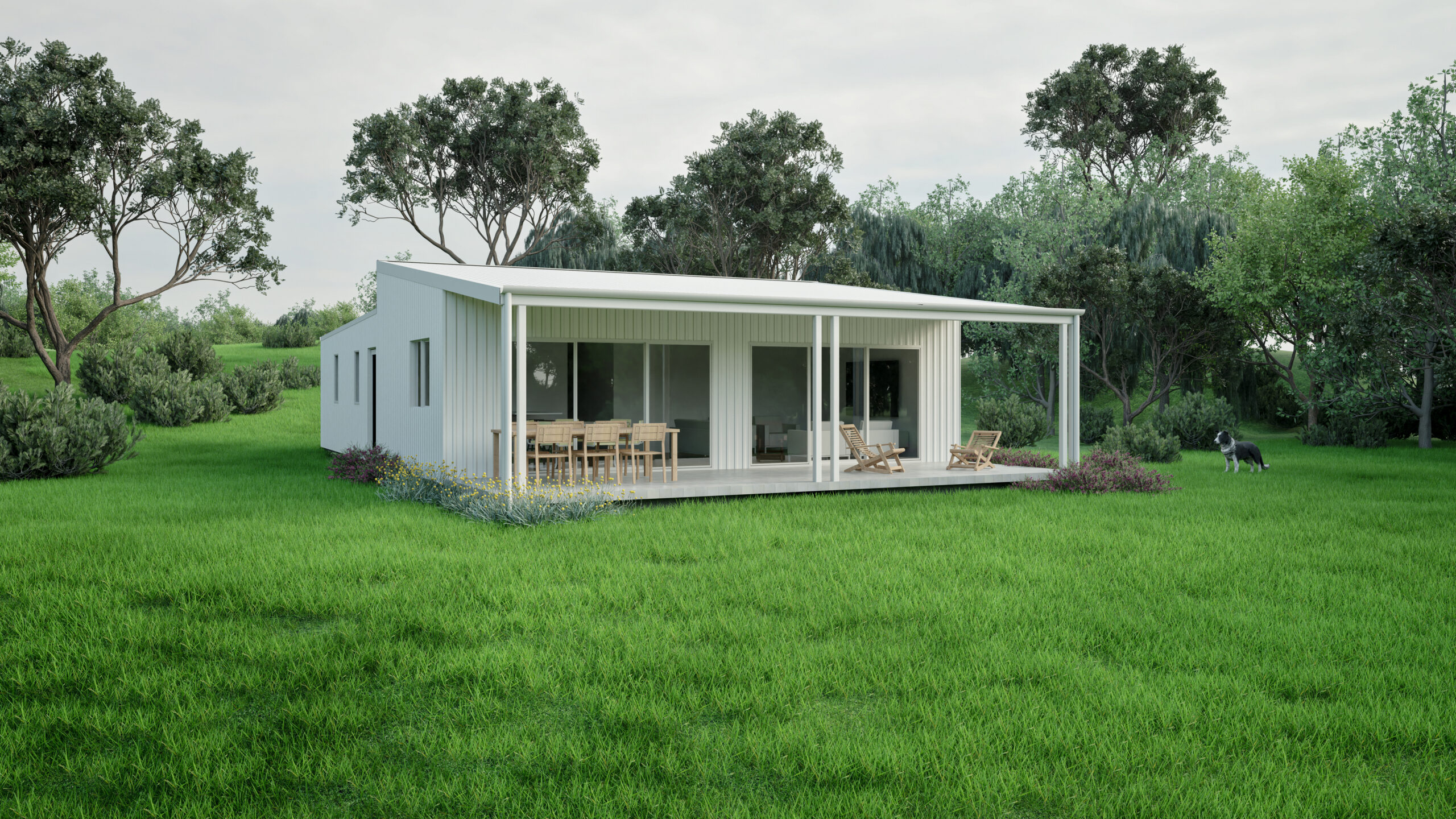
What Is the Average Cost of a Modular Home in WA?
As with traditional home builds, there is no one-size-fits-all answer when it comes to the cost of a modular home. Factors such as home size, design complexity, site conditions, location and selected finishes all play a role in determining the final investment.
At MIRA Residential, every home is tailored to suit our clients’ needs, with pricing developed around the chosen design, site requirements and level of customisation.
What Is Included in a Modular Home Price?
One of the advantages of modular construction is greater cost transparency compared to many traditional building projects.
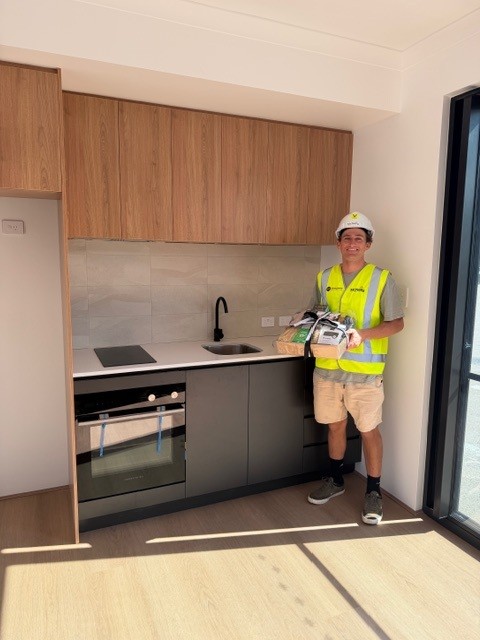
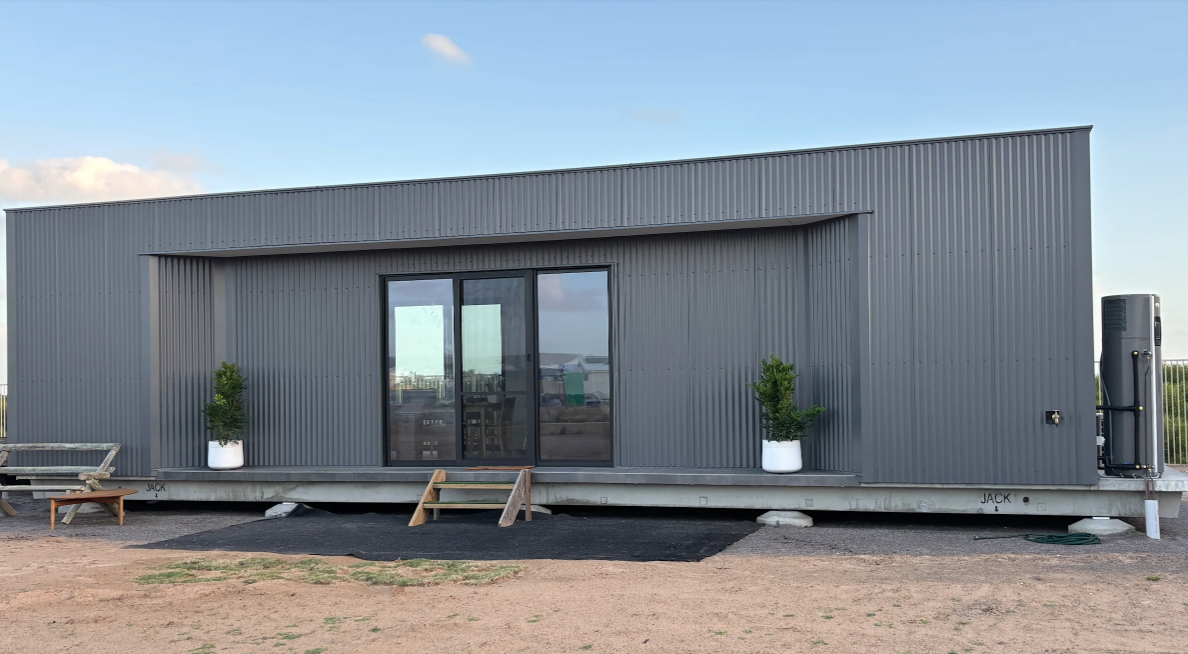
A modular home’s base price typically includes:
- Home design and drafting
- Engineering and compliance requirements
- Factory construction
- Internal fit out and finishes
- Kitchen cabinetry and appliances
- Bathroom fixtures and fittings
- Flooring throughout the home
- Quality insulation and energy-efficient materials
Understanding what is included in your base price is important when comparing modular home builders in Western Australia.
5 Factors That Affect Modular Home Costs
1. Home Size and Design
The size of your home is one of the biggest influences on cost.
A compact two-bedroom design will naturally cost less than a larger four-bedroom family home. Features such as additional living areas, larger kitchens, higher ceilings and architectural design elements can also affect pricing.
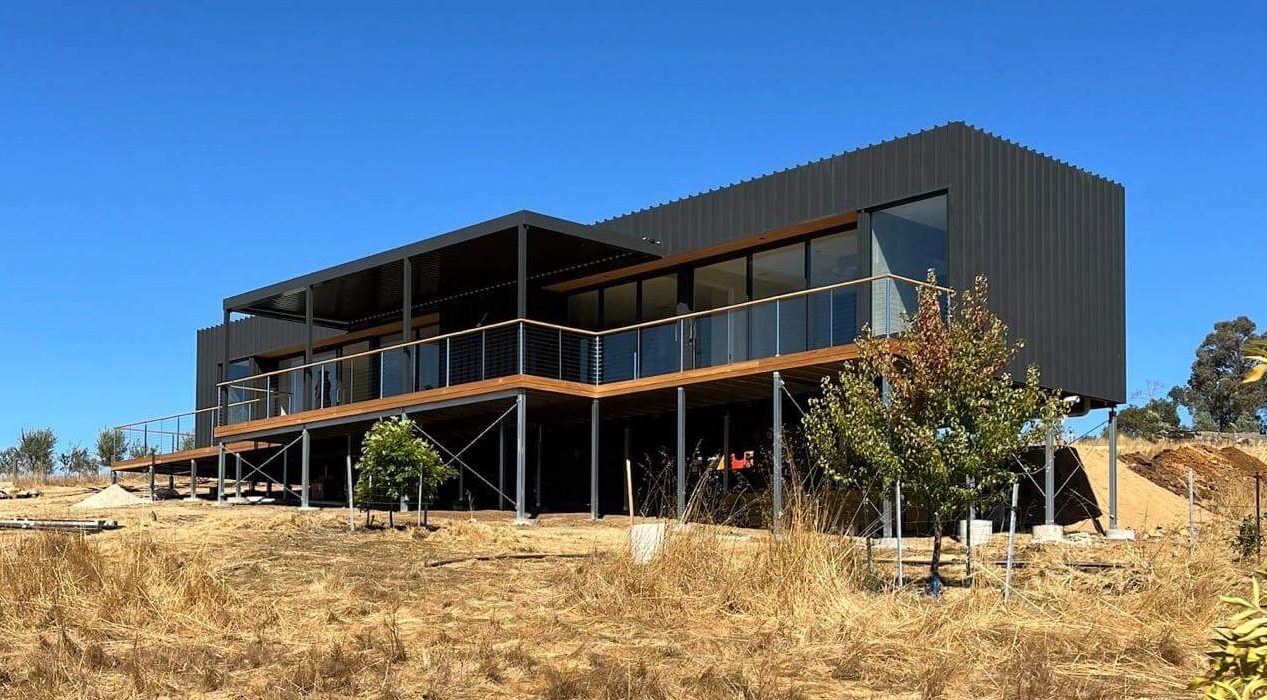
2. Site Conditions
No two blocks are the same.
Factors such as slope, soil conditions, access limitations and bushfire requirements can all impact the overall cost of your project. Sites that require additional preparation or specialised foundations may attract additional costs.
3. Delivery Location
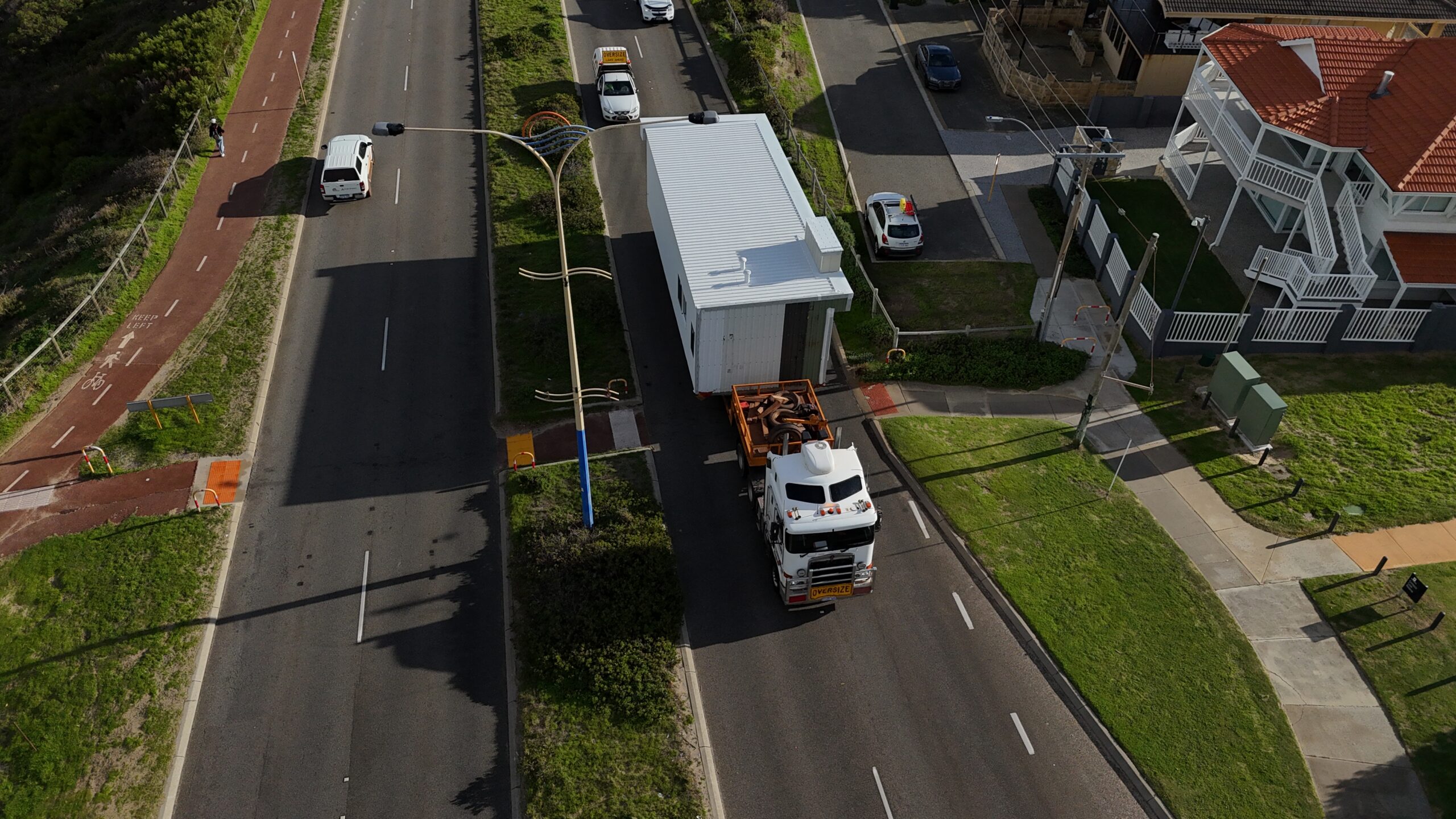
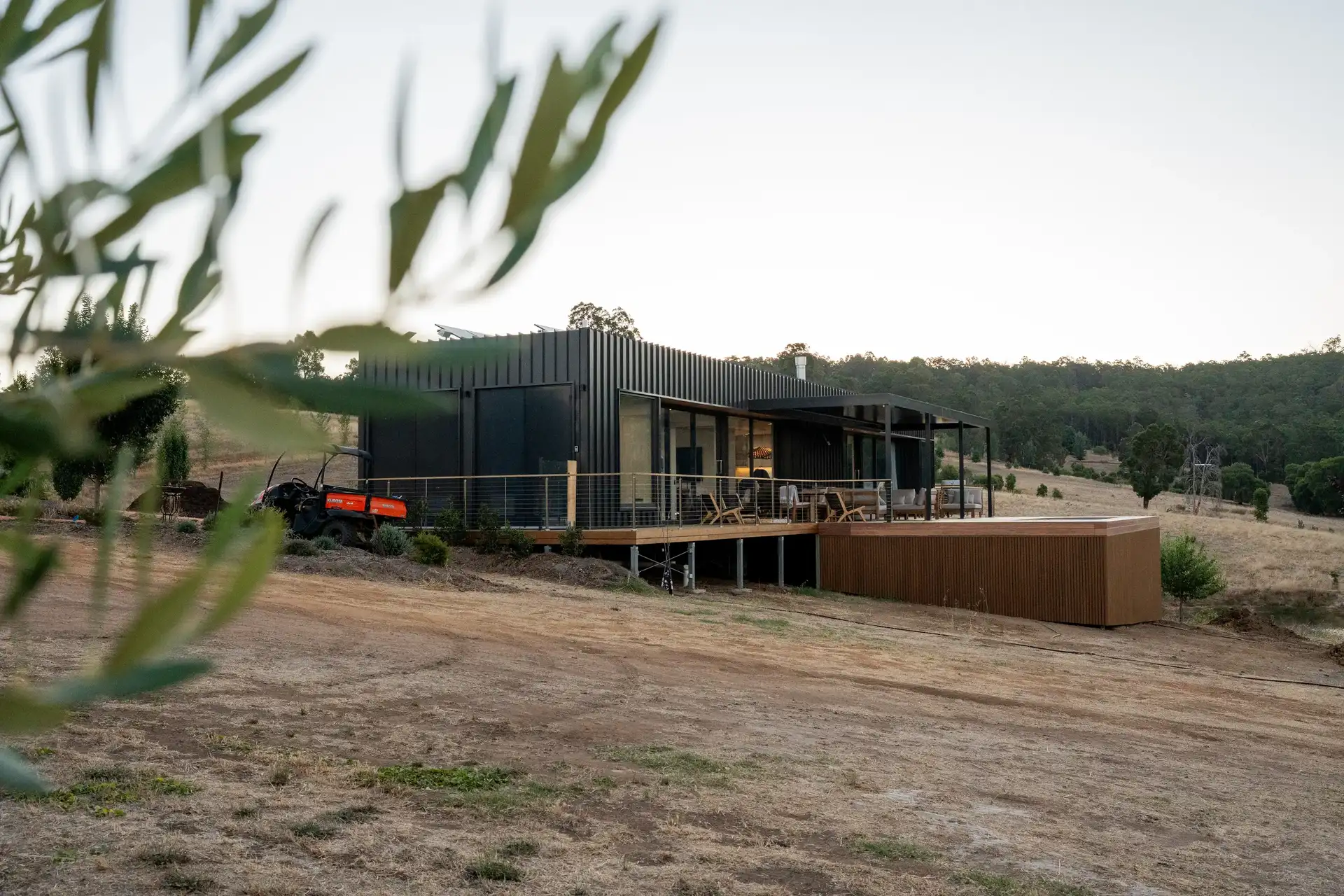
One of the key benefits of modular homes is the ability to deliver them across Western Australia.
However, transport costs will vary depending on your location. Building in Perth, regional WA or remote areas will each have different delivery considerations that contribute to the overall project budget.
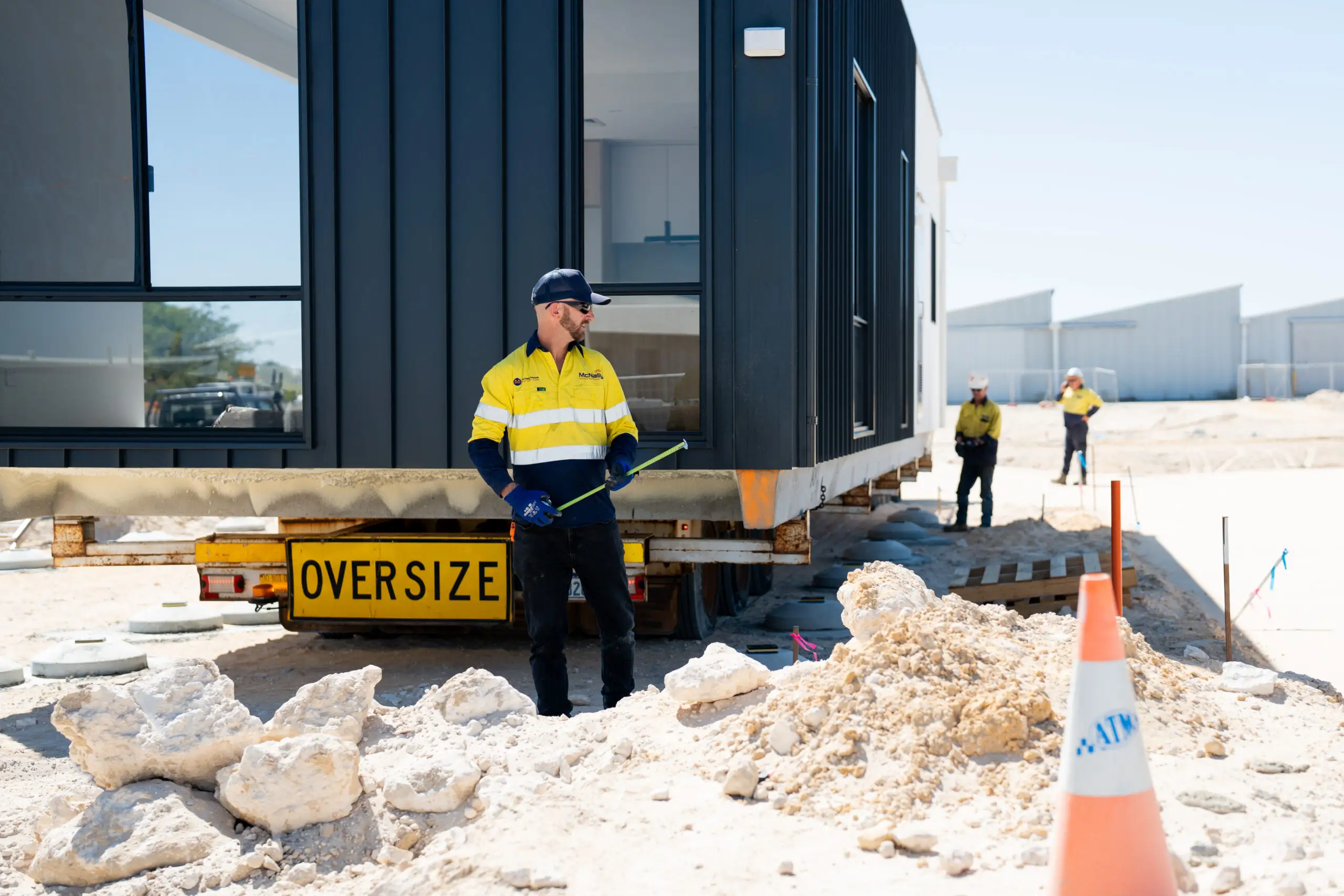
4. Installation Requirements
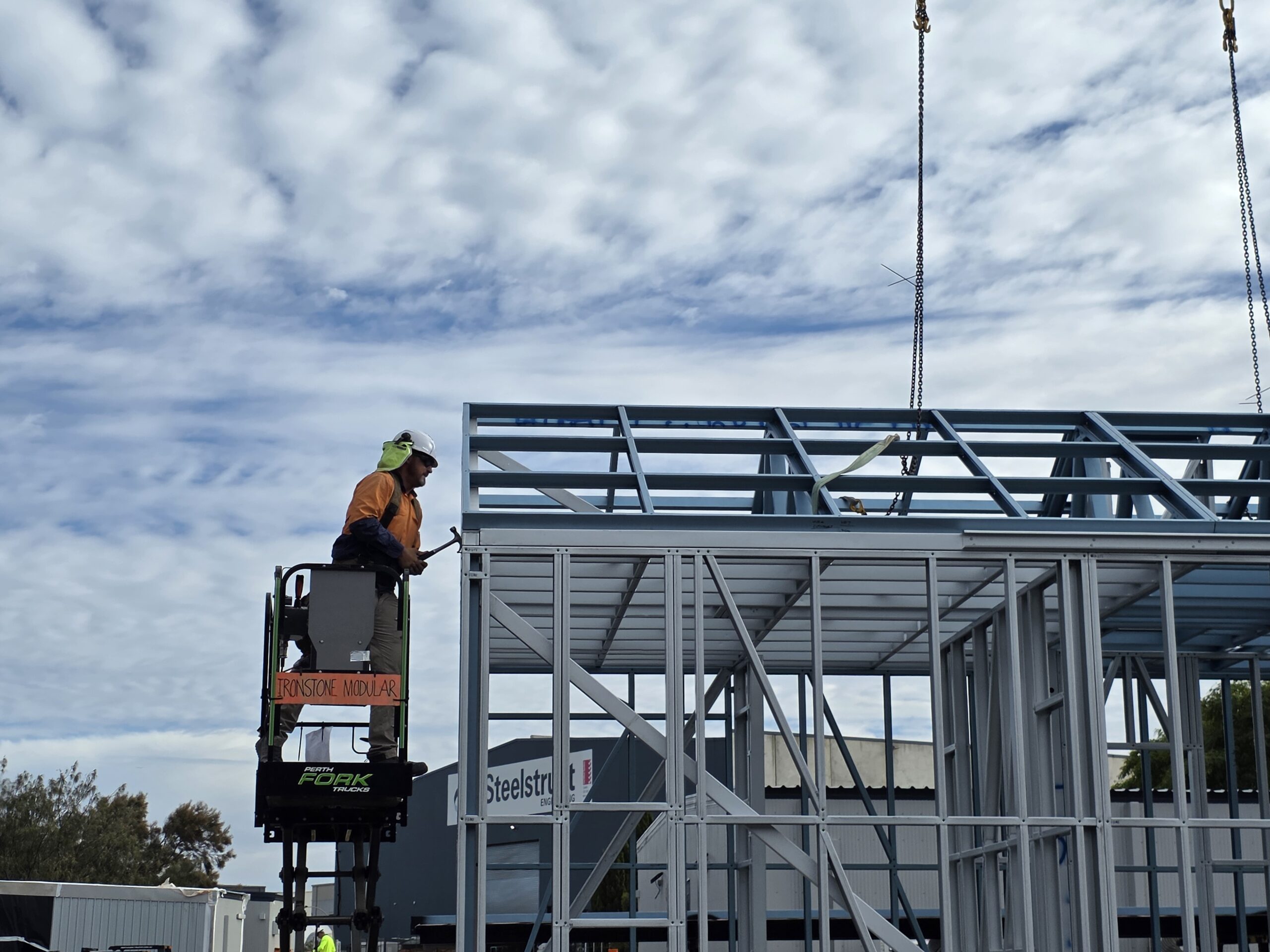
Once your home arrives on site, it must be installed and connected.
Installation costs can vary depending on:
- Site access
- Foundation requirements
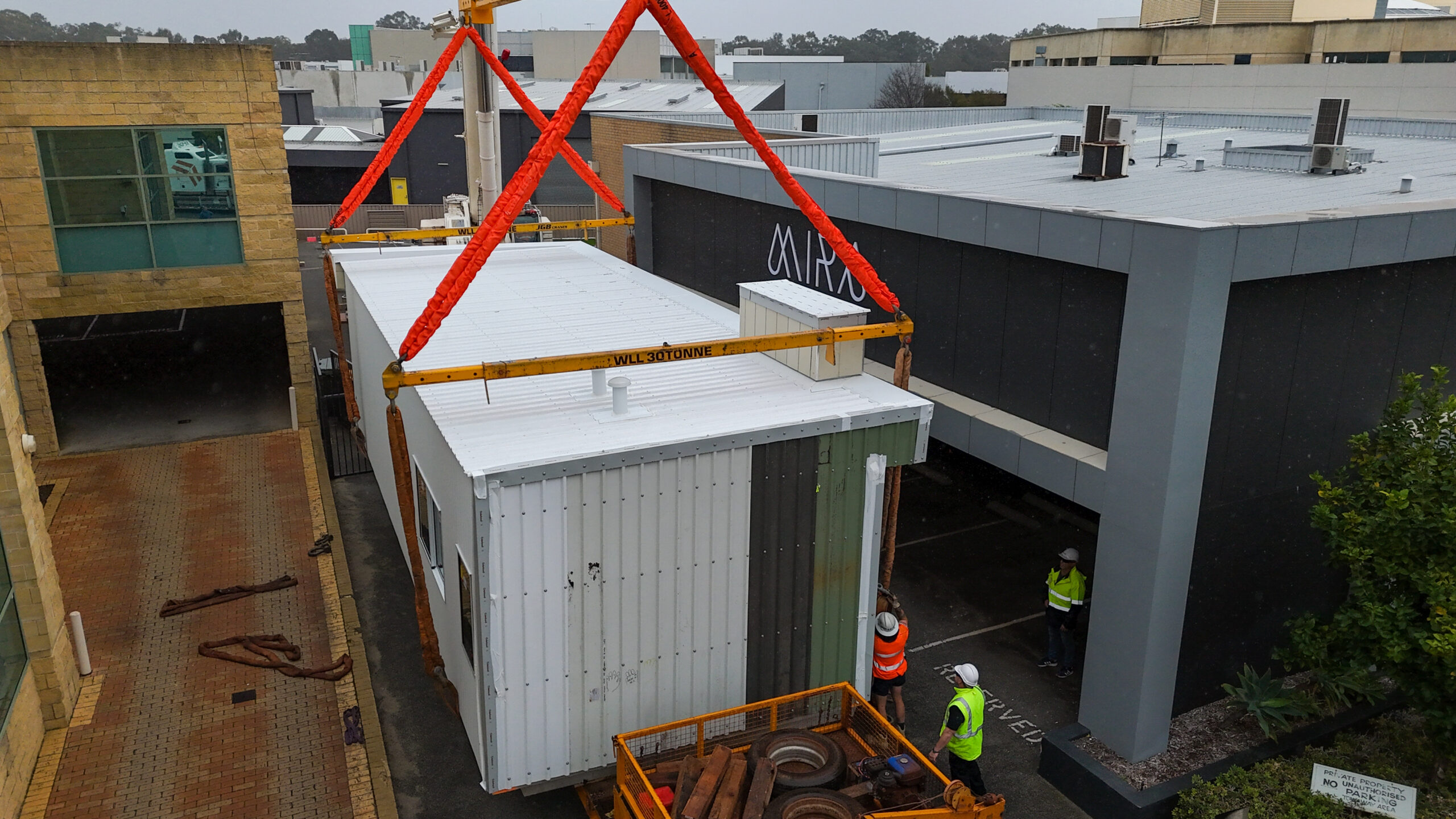
- Crane requirements
- Utility connections
- Local council requirements
These factors are assessed individually for every project.
5. Customisation and Upgrades
Many homeowners choose to personalise their modular home with upgrades and additional features.
Common upgrades include:
- Premium kitchen finishes
- Stone benchtops
- Upgraded flooring
- Outdoor entertaining areas
- Decking and verandahs
- Additional storage solutions
- Energy-efficient upgrades
These selections can significantly influence the final cost of your modular home.
Are Modular Homes Cheaper Than Traditional Homes?
While every project is different, modular homes can often provide greater value and cost certainty compared to traditional construction.
Because much of the building process takes place in a controlled factory environment, modular construction can help reduce:
- Weather-related delays
- Material wastage
- Site labour costs
- Construction timelines
For many Western Australian homeowners, this can translate into a more predictable building experience and a faster path to moving into their new home.
What Additional Costs Should You Budget For?
When planning your modular home project, it’s important to consider costs beyond the home itself.
Depending on your site and location, additional expenses may include:
- Site preparation and earthworks
- Water tanks
- Septic systems
- BAL (Bushfire Attack Level) requirements
- Driveways and pathways
- Landscaping
Your builder should clearly explain these costs during the planning process so you can make informed decisions from the beginning.
Why Home Building Costs Continue to Change
Like most sectors within the construction industry, modular home pricing is influenced by a range of economic factors that can change over time.
In recent years, builders across Australia have experienced fluctuations in material costs, labour availability and supply chain disruptions. Global events, including geopolitical conflicts, international trade pressures and shipping constraints, have all contributed to increased costs for building materials and manufacturing components.
At the same time, changes in government regulations, compliance requirements, insurance costs, fuel prices and taxation can influence the overall cost of delivering homes throughout Western Australia.
For example, increases in freight costs can impact the transportation of materials and completed modules, while changes in energy prices may affect manufacturing and production expenses. Labour shortages across the construction industry have also contributed to rising costs in both traditional and modular building.
While these factors can influence pricing across the industry, modular construction often provides greater cost certainty than traditional building methods. Because much of the construction process takes place in a controlled factory environment, builders can typically manage materials, scheduling and production more efficiently, helping to reduce some of the risks associated with on-site construction.
For homeowners, this highlights the importance of obtaining up-to-date pricing and working with a builder who provides transparent cost estimates based on current market conditions.
So, How Much Should You Budget for a Modular Home in WA?
As a general guide, it’s best to consider the total project cost rather than focusing solely on the home’s starting price.
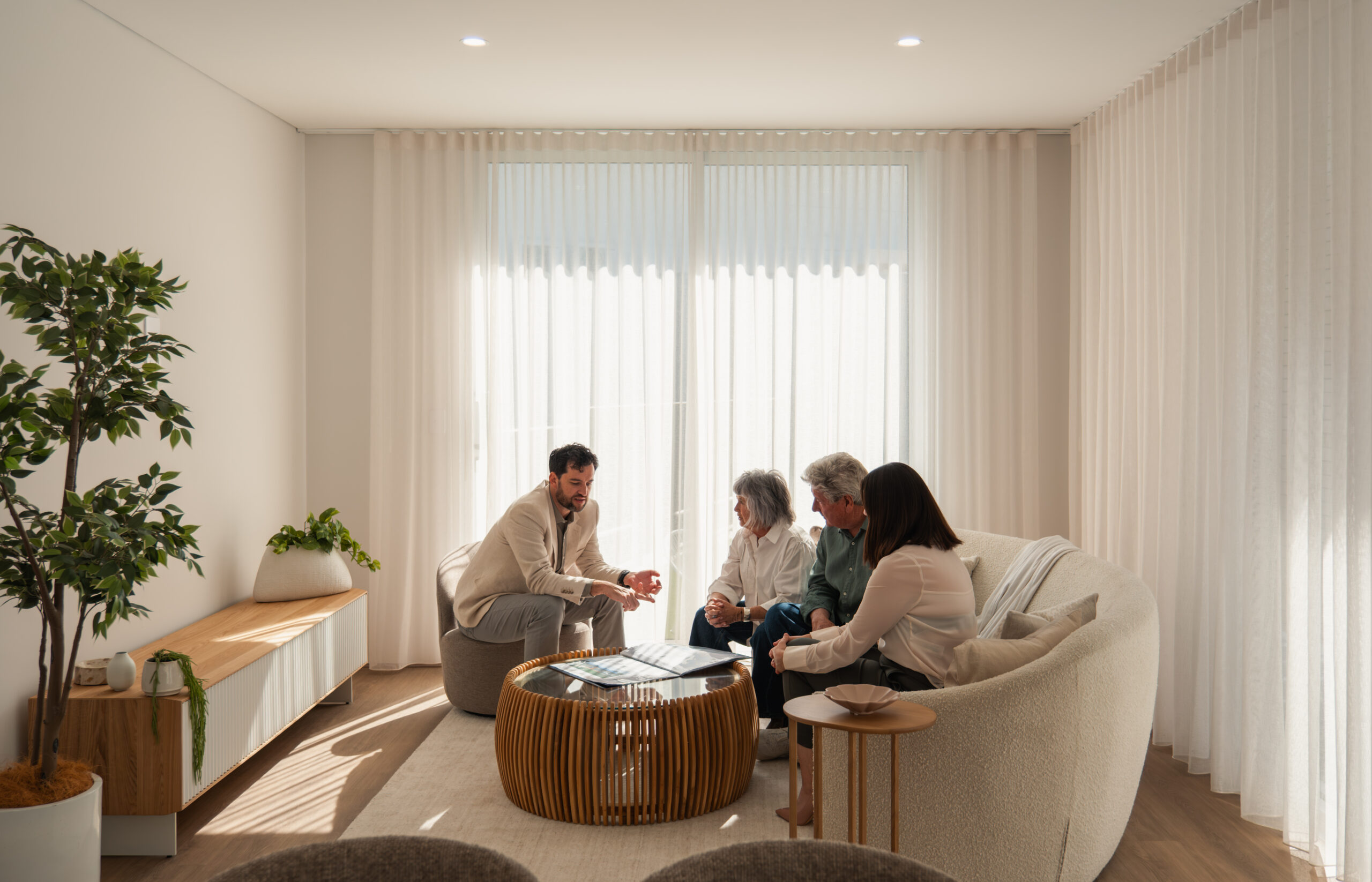
The most accurate way to determine the cost of a modular home is through a personalised assessment that considers your chosen design, block characteristics, location and desired inclusions.
Every site is different, which means every project deserves a tailored approach.

Start Your Modular Home Journey
At MIRA Residential, we believe building a home should be transparent, efficient and designed around your lifestyle.
Whether you’re building in Perth, regional Western Australia or a remote location, our team can help you understand the full cost of your modular home and provide a tailored estimate based on your project requirements.
Contact MIRA Residential today to discuss your vision and discover how modular living can help you achieve your home ownership goals.