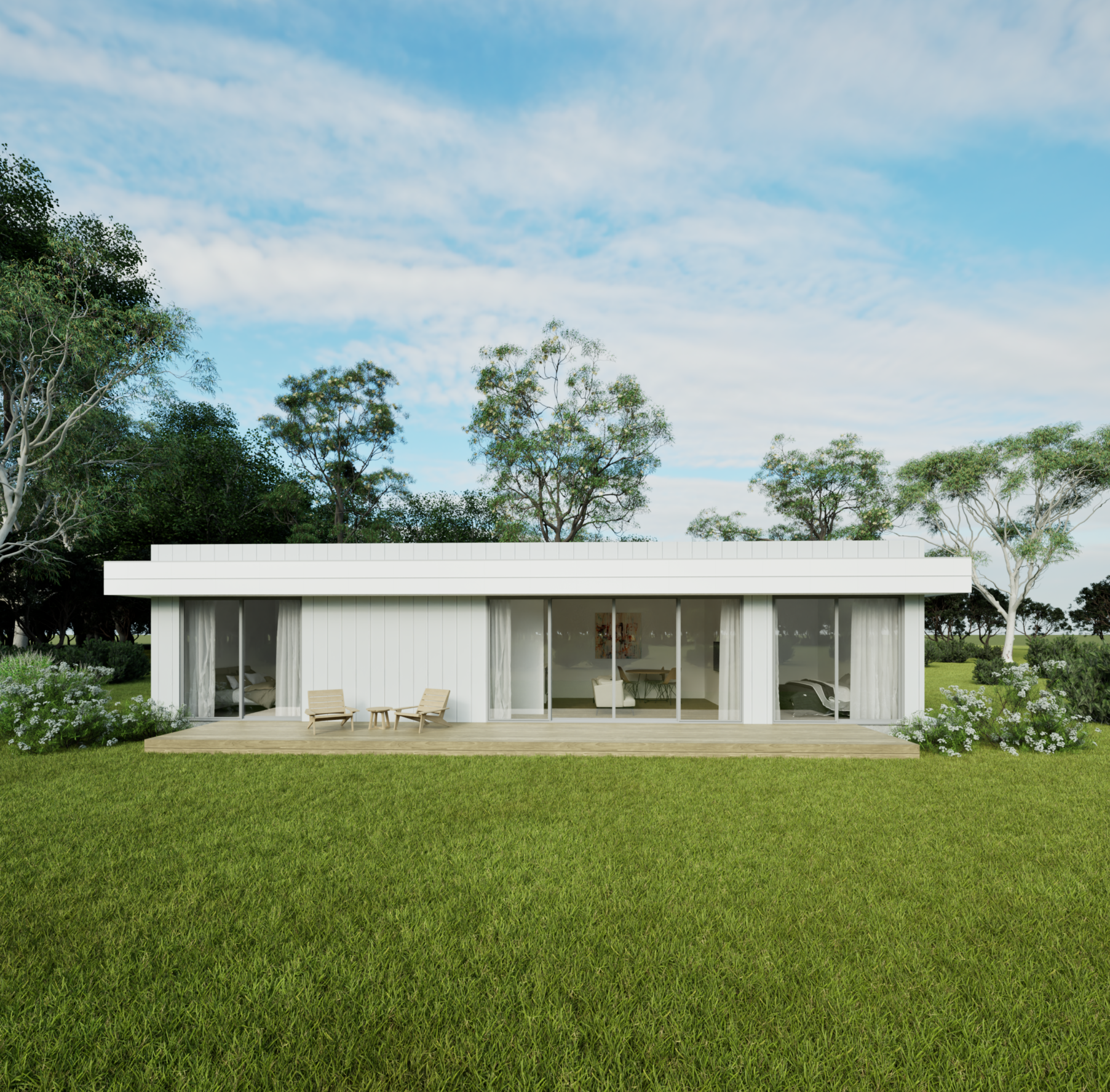
Modular homes and shipping container homes are both alternatives to traditional construction, but they’re designed for very different purposes and built very differently.
Modular homes are built specifically for residential living, while container homes adapt existing steel freight containers into habitable spaces. That difference shapes everything from layout flexibility and insulation to comfort, approvals and long-term liveability.
What is a shipping container home?
Shipping container homes are repurposed steel freight boxes, usually best suited for compact or short-term living spaces where budget is a primary driver.
While they offer a distinct industrial aesthetic and upfront simplicity, the fixed dimensions of a container tend to create architectural constraints.
The realities of insulation, internal lining and everyday comfort become more complex once construction begins. Once you start adding structural reinforcements and window cut-outs, the limitations of the steel shell often become too difficult to ignore and can create design and layout limitations that may impact overall liveability.
What is a modular home?
Modular homes are design-led sections built with precision in a controlled environment, then seamlessly assembled on your property as a complete sanctuary. Because modular homes are designed as purpose-built sections from the start, they offer unparalleled design flexibility and a superior sustainable design ethos.
They represent a much better fit for long-term residency than an adapted freight container. Every element is considered to ensure the final result is a home that feels sophisticated and a perfect response to its environment.
Modular homes vs. container homes – what’s the difference?
At a glance, both options offer an alternative to traditional builds, but the differences extend beyond construction timelines.
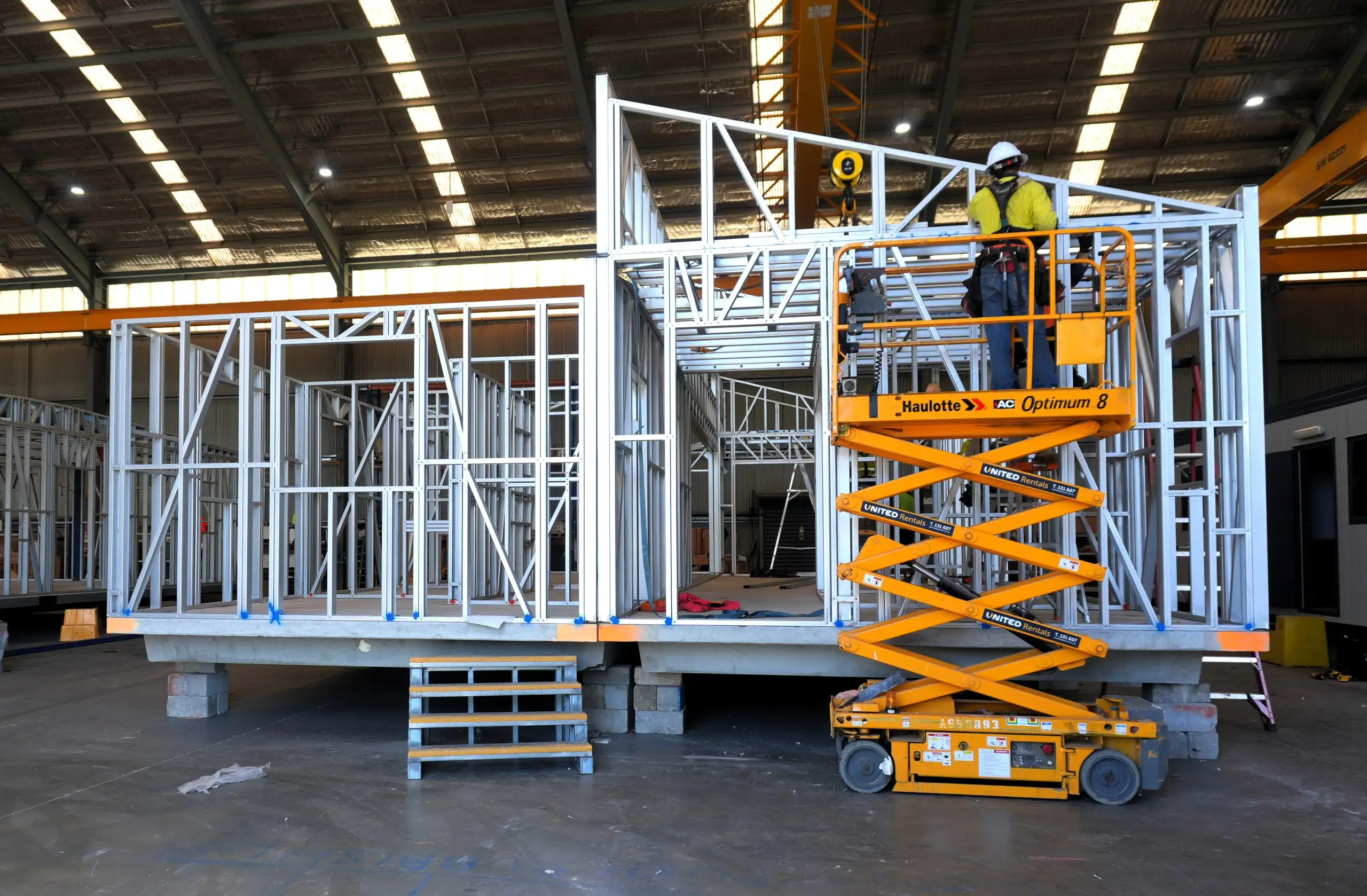
While container homes are defined by a fixed-height structure (meaning every door, window, and internal wall must be integrated into that existing frame), modular construction starts with more of a blank slate, with custom-engineered sections, offering the freedom to create spacious layouts unrestricted by freight dimensions.
Understanding these differences is the first step in deciding which method best aligns with your vision for your lifestyle.

1. Design flexibility
Container homes
Shipping container homes are naturally more defined in form, since they start as a fixed steel shell. While this offers a unique industrial character, it can make it more challenging to create open living spaces or shift room proportions to achieve a softer, more traditional residential aesthetic. Windows and internal layouts can certainly be adapted, though significant modifications typically require structural reinforcement and more willingness to compromise.
Modular homes
Modular homes offer greater design freedom because they’re purpose-built from the outset. These homes are designed to suit a specific brief, meaning the floor plan, façade and interior finishes are shaped entirely around how you actually want to live. This approach provides the space to create a home that feels balanced and visually cohesive with the surrounding landscape.
Key takeaways
If architectural flexibility is a priority, modular homes offer a clear advantage. While container homes can be styled to great effect, modular construction provides more creative freedom from the outset.


2. Construction time
Container homes
Shipping container homes can appear fast to deliver, but the timeline often extends once insulation, structural modifications and internal fit-outs are underway. What seems like a simple shell can become quite complex during the conversion stage, particularly if the design necessitates significant departures from the original steel box.
Modular homes
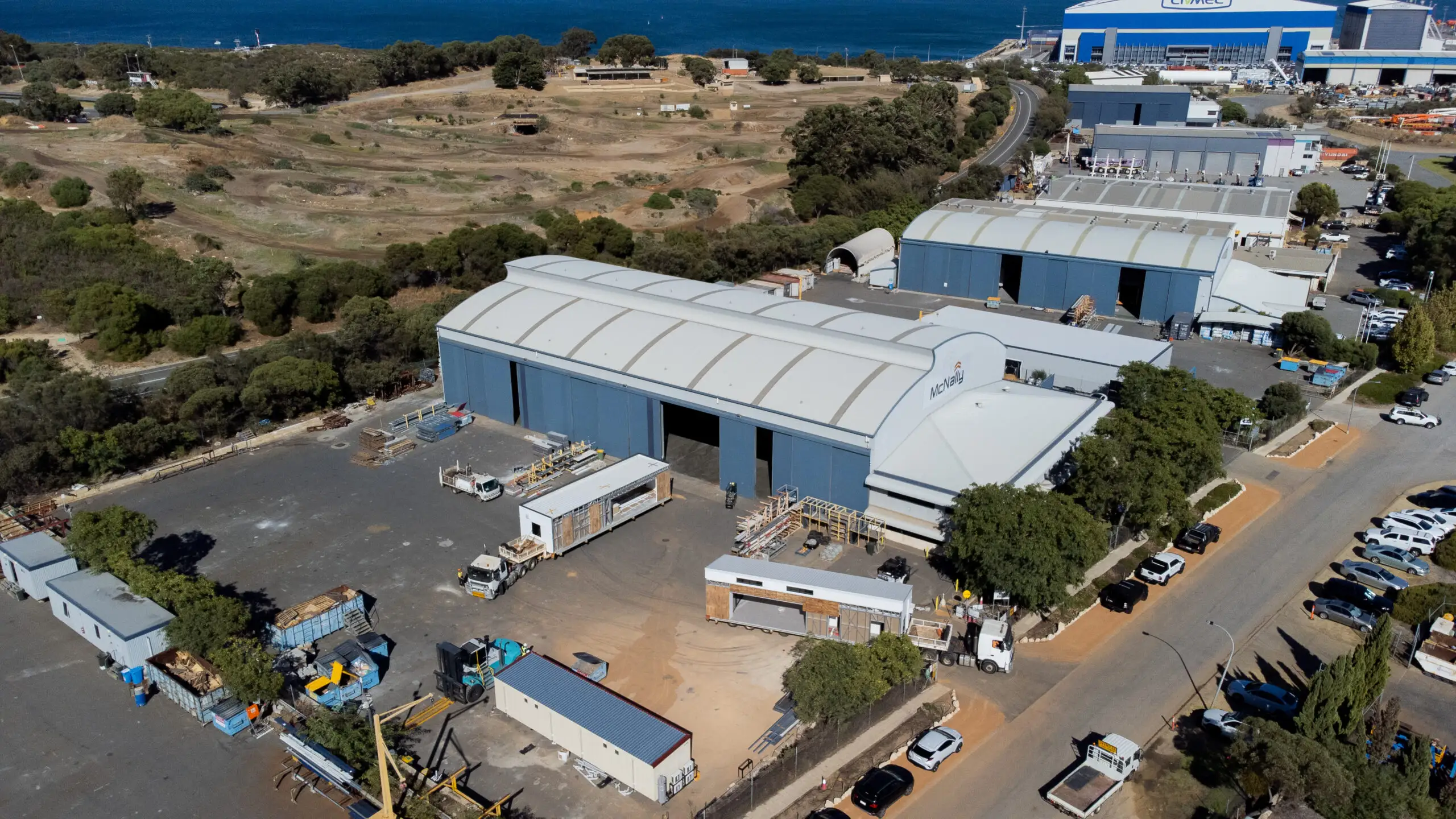
Modular homes are generally more efficient because most of the construction occurs in a controlled environment. While site preparation is always essential, the ability to overlap factory production with on-site works significantly streamlines the overall journey compared to traditional methods. This offers a more predictable path to completion without sacrificing quality.
Key takeaways
Both options offer more streamlined alternatives to traditional builds, though modular homes typically represent the most predictable path where timing and certainty are essential.


3. Structural Integrity
Container homes
The steel construction of a container provides a very strong base, but that integrity can be affected when large sections are removed for open-plan areas or architectural windows. These homes also require specialised treatment for insulation and moisture control, as steel is highly conductive and responds quickly to external temperature shifts.
Modular homes
Modular homes are engineered as complete residential sanctuaries from the beginning rather than adapted industrial units. They’re designed with high-performance insulation and structural longevity as core priorities. Because they’re built in a controlled environment, every stage of construction is monitored for precision and quality.
Key takeaways
Container homes offer a solid foundation, but modular homes tend to be better positioned to provide a perfectly insulated, structurally balanced environment for everyday living.

4. Council guidelines
Container homes
Shipping container homes can face a more complex approval process, as they often sit in a grey area between temporary structures and permanent dwellings. The result frequently depends on local planning rules, zoning and whether the repurposed design can meet all modern residential building requirements and setbacks.
Modular homes
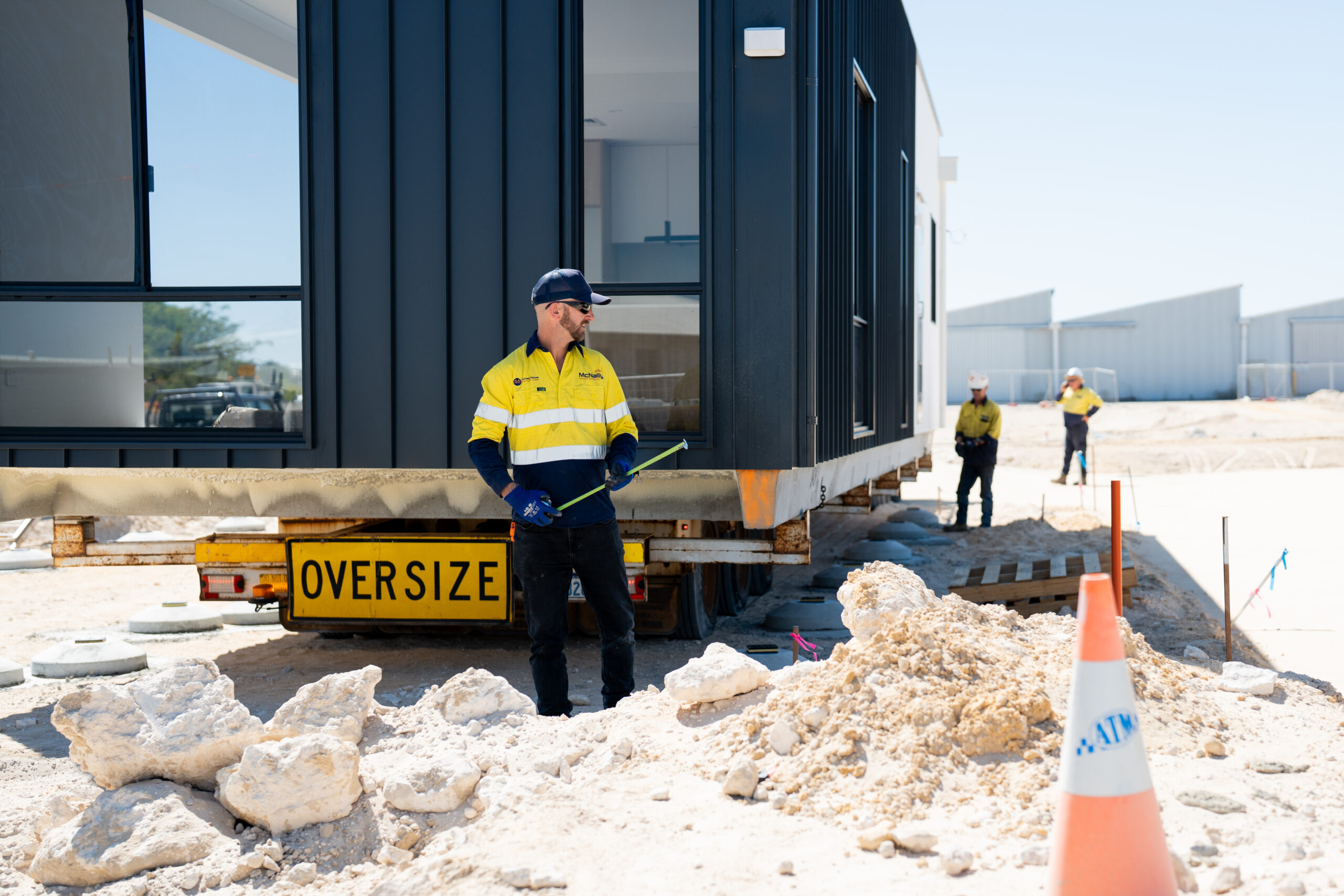
Modular homes must also meet rigorous council and building standards, but they’re generally easier to assess as a standard residential solution. Because they’re designed as permanent dwellings from the ground up, they tend to align more naturally with planning expectations regarding liveability, compliance and long-term use.
Key takeaways
Neither path is automatic, but modular homes typically offer a more straightforward journey through the council approval process.


5. Cost
Container homes
While they can appear more affordable at first glance, the total investment required depends heavily on the level of modification required. Once you factor in high-grade insulation, internal linings, structural cut-outs and transport, the initial savings can be less than you’d think. A lower-cost shell doesn’t always mean a lower-cost home.
Modular homes
Because the building process is more controlled and predictable, modular homes are often more cost-efficient in the long run. With a clear scope from the beginning and fewer surprises during the construction phase, it’s much easier to manage budget expectations and maintain a high-end finish.
Key takeaways
While container homes may look less expensive upfront, modular homes often offer better value once the full build, finishes and thermal performance are considered.

6. Comfort and quality
Container homes
A container home can be incredibly comfortable when thoughtfully designed, though it often takes more effort to achieve a genuinely residential feel. Without careful attention to detail, these structures can be prone to temperature fluctuations and tighter internal proportions that may impact the day-to-day living experience.
Modular homes
Modular homes are designed for comfort from the very first sketch. Because they function as homes first, they’re better positioned to prioritise natural light, practical flow and superior insulation, resulting in a more refined experience that feels like a tranquil retreat.
Key takeaways
For overall quality and lifestyle comfort, modular homes tend to come out ahead as they’re purpose-built to function as a complete home from day one.
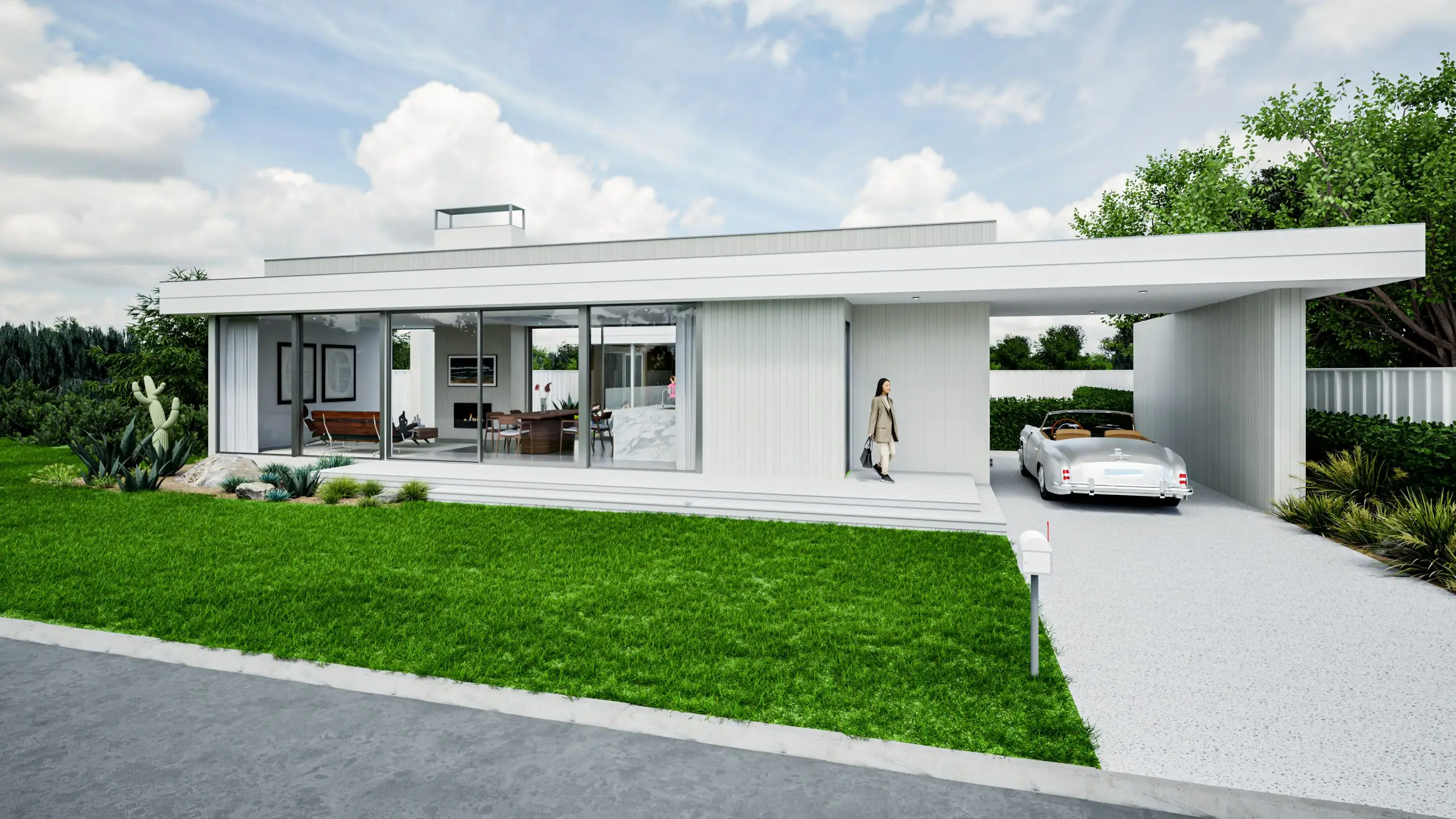

Which option is right for you?
The right solution ultimately depends on how you want to live, what you value most, and the type of home you’re trying to create. While both modular homes and shipping container homes offer an alternative to traditional construction, they suit very different lifestyles and priorities.
Shipping container homes may appeal to those looking for compact retreats, temporary accommodation, highly industrial aesthetics or more experimental building projects. Their unique appearance and smaller footprint can suit certain applications where flexibility and simplicity are the main focus.
Modular homes are generally better suited to permanent living, whether that’s a family home, a downsizer residence, a regional WA property, or an architecturally designed retreat. Because they’re purpose-built for residential comfort, modular homes offer greater flexibility, stronger thermal performance and a more refined everyday living experience.
For homeowners seeking a long-term solution that balances design, functionality and comfort, modular construction often provides the most practical and liveable outcome.