
When it comes to building a home, especially using newer methods like prefab construction and modular design, questions are bound to pop into your mind. At MIRA Residential, we welcome curiosity, it means you’re thinking critically about how to build faster and smarter. Whether you’re weighing modular versus traditional or simply exploring your options, here are the most frequently asked questions we hear from Western Australians, and our honest, experience-backed answers.
1. What exactly is a modular home?
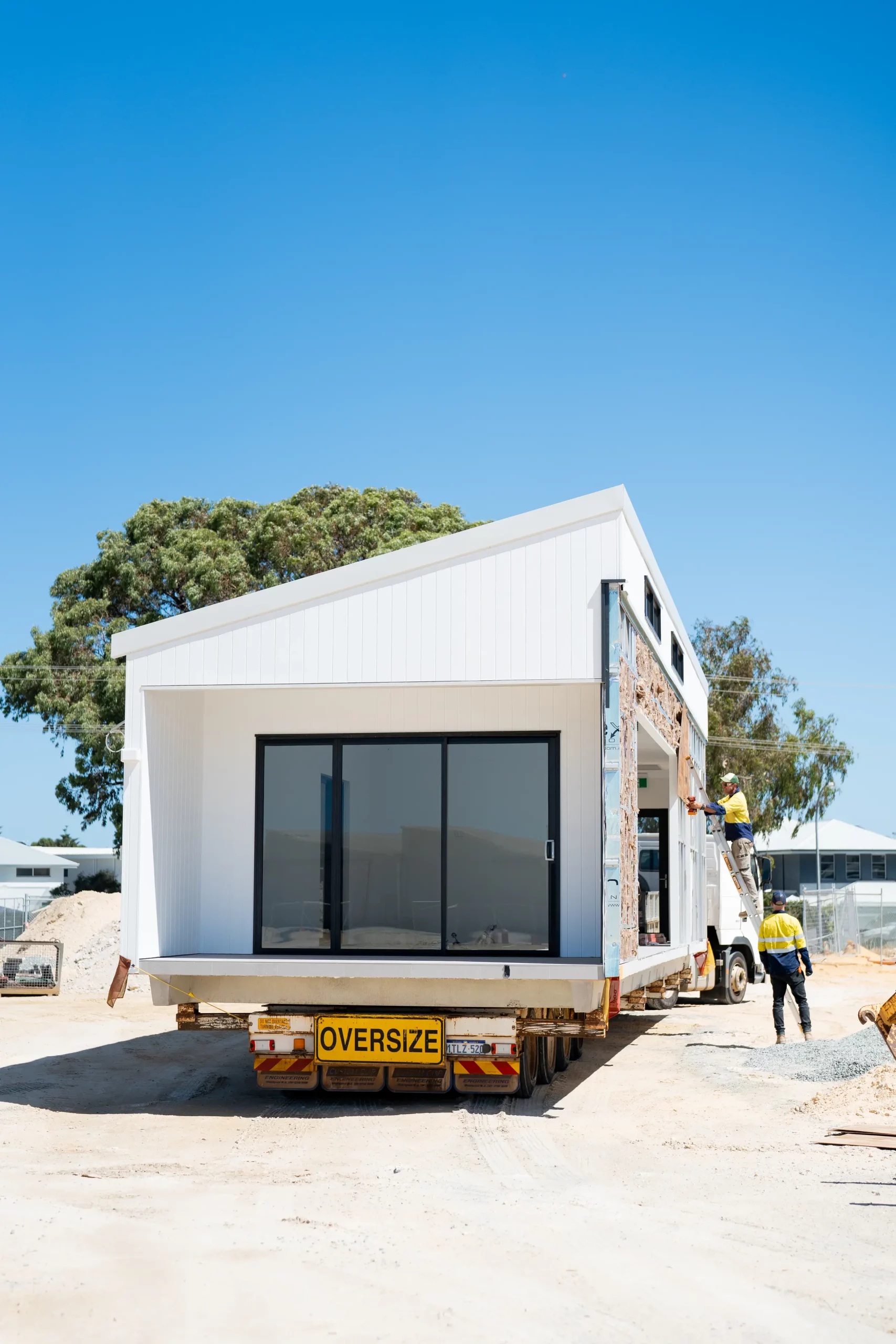
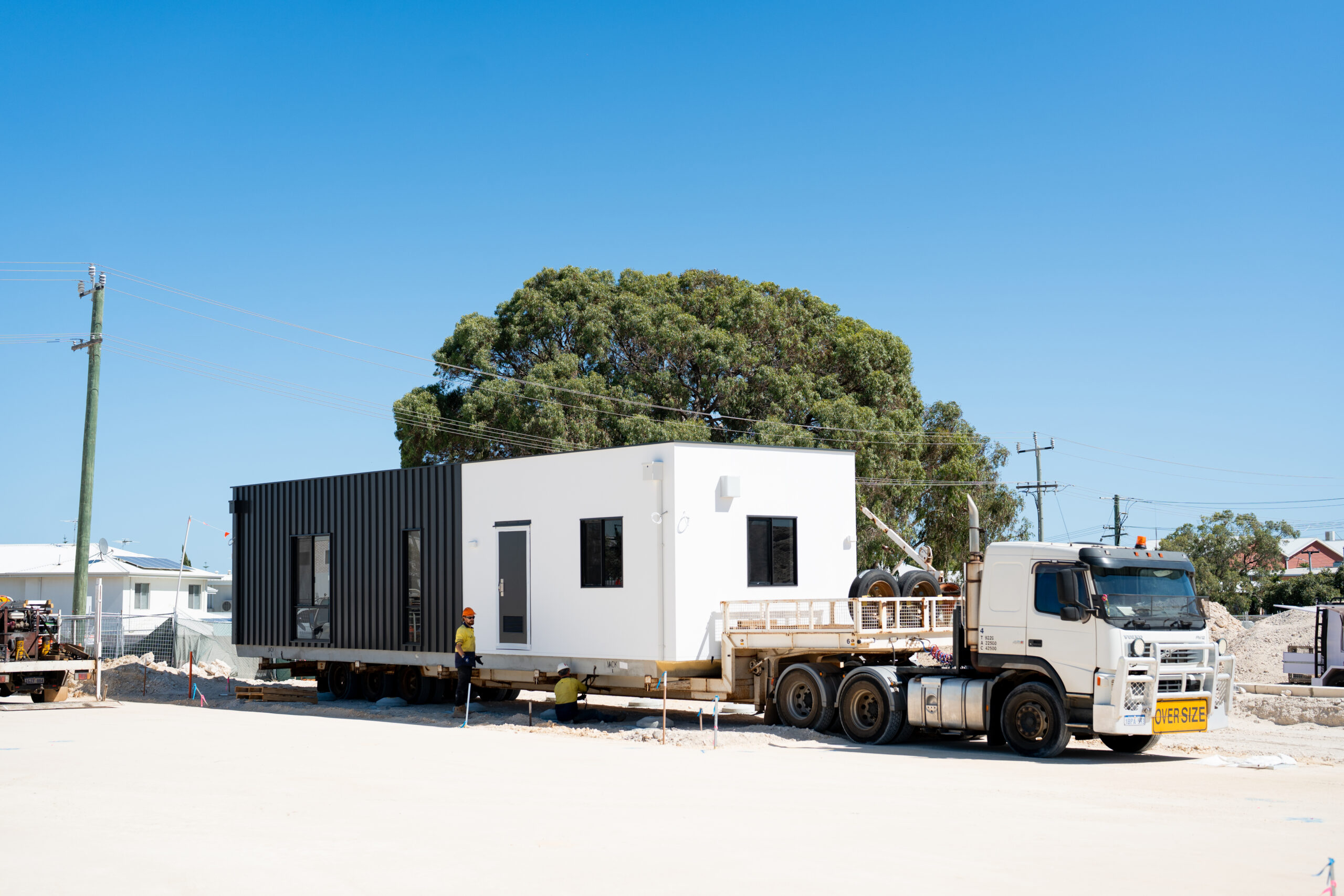
A modular home is constructed in sections (or modules) in a factory-controlled setting, then delivered and assembled on your site. Unlike a kit home or mobile home, modular homes are fully engineered and built to meet the same building codes and standards as traditional site-built homes. They are permanent, high-quality dwellings that offer flexibility in design and exceptional efficiency in construction.
2. Are modular homes cheaper than traditional builds?
Often, yes, especially when you factor in reduced labour, faster build times, and minimal site delays. At MIRA, we offer fixed-price contracts and predictable timelines, meaning fewer budget blowouts and no nasty surprises. Our streamlined processes result in cost savings without compromising on quality or design.
3. Can I customise the design of my modular home?
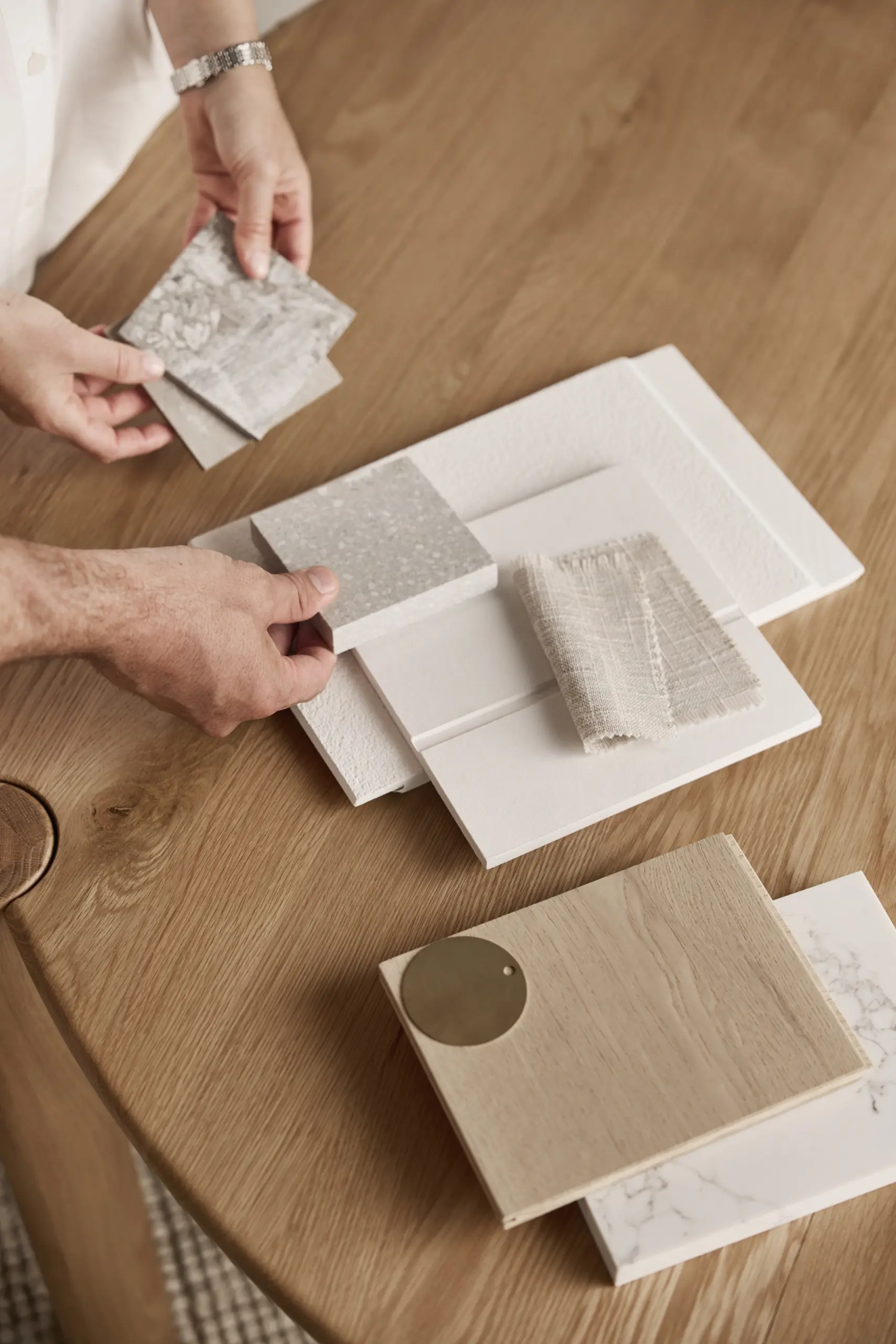
Absolutely. One of the biggest misconceptions about modular homes is that they’re cookie-cutter. Not with MIRA. We offer a range of layouts, facades, and finish options, and our design team works with you to tailor your home to suit your lifestyle, block orientation, and aesthetic preferences.
4. How long does the whole process take?
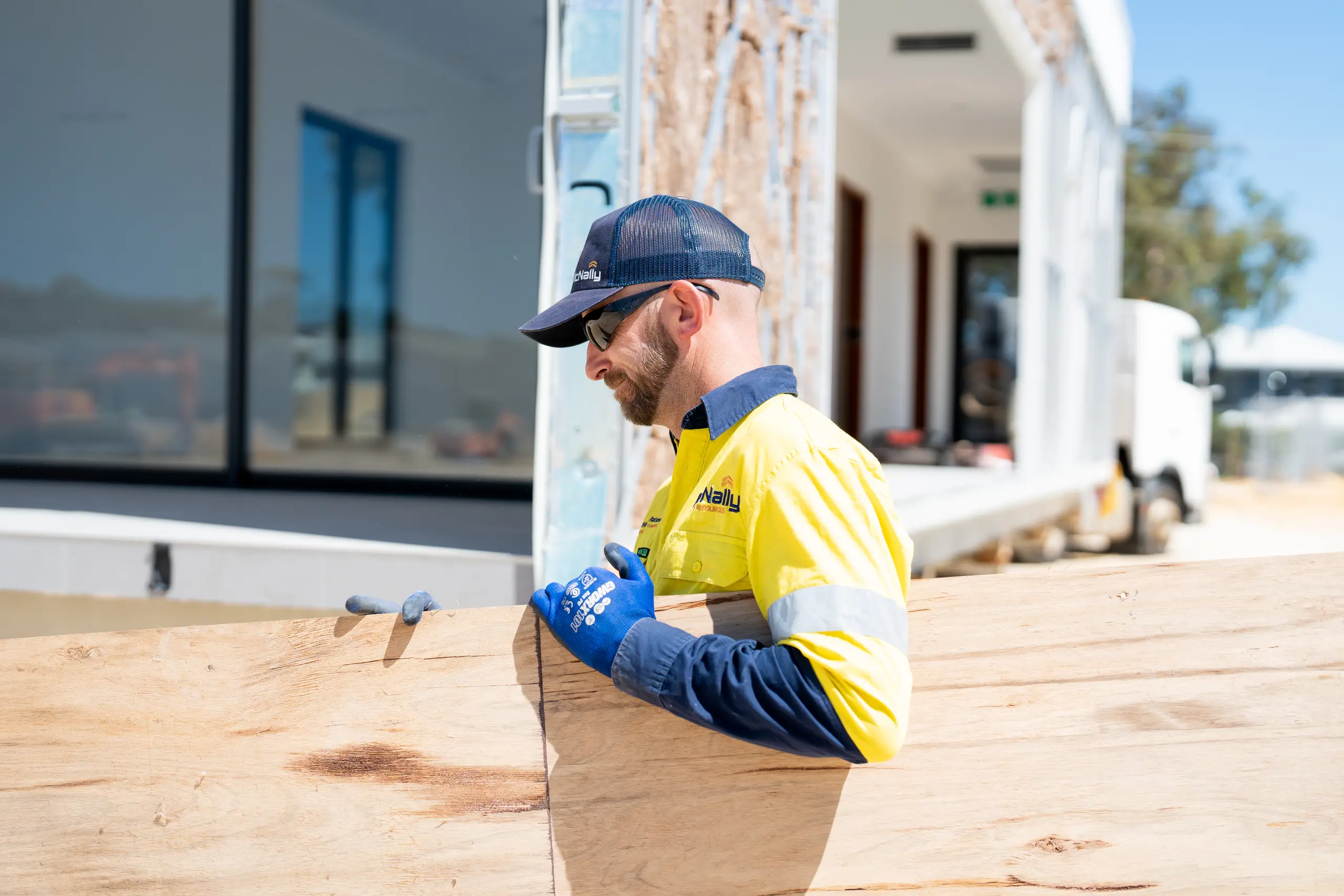
Modular builds are significantly faster than traditional ones. From approvals to handover, the process can take as little as 3–6 months, depending on complexity. Once the modules are built, installation and final fit-out on-site typically takes only a few weeks. It’s ideal for those wanting to move in sooner rather than later.
5. Are modular homes energy-efficient?
Yes. In fact, modular homes are often more energy-efficient than standard builds due to precise factory construction and careful design. We incorporate passive solar principles, quality insulation, energy-efficient glazing, and optional solar systems. Our goal is to help you build a home that performs well all year round, saving energy and money.
6. What’s included in a MIRA modular home?
Every MIRA home comes with a generous inclusions list, covering everything from flooring and fixtures to kitchen appliances and exterior finishes. We provide full transparency from the start, so you know exactly what’s included and what upgrade options are available.
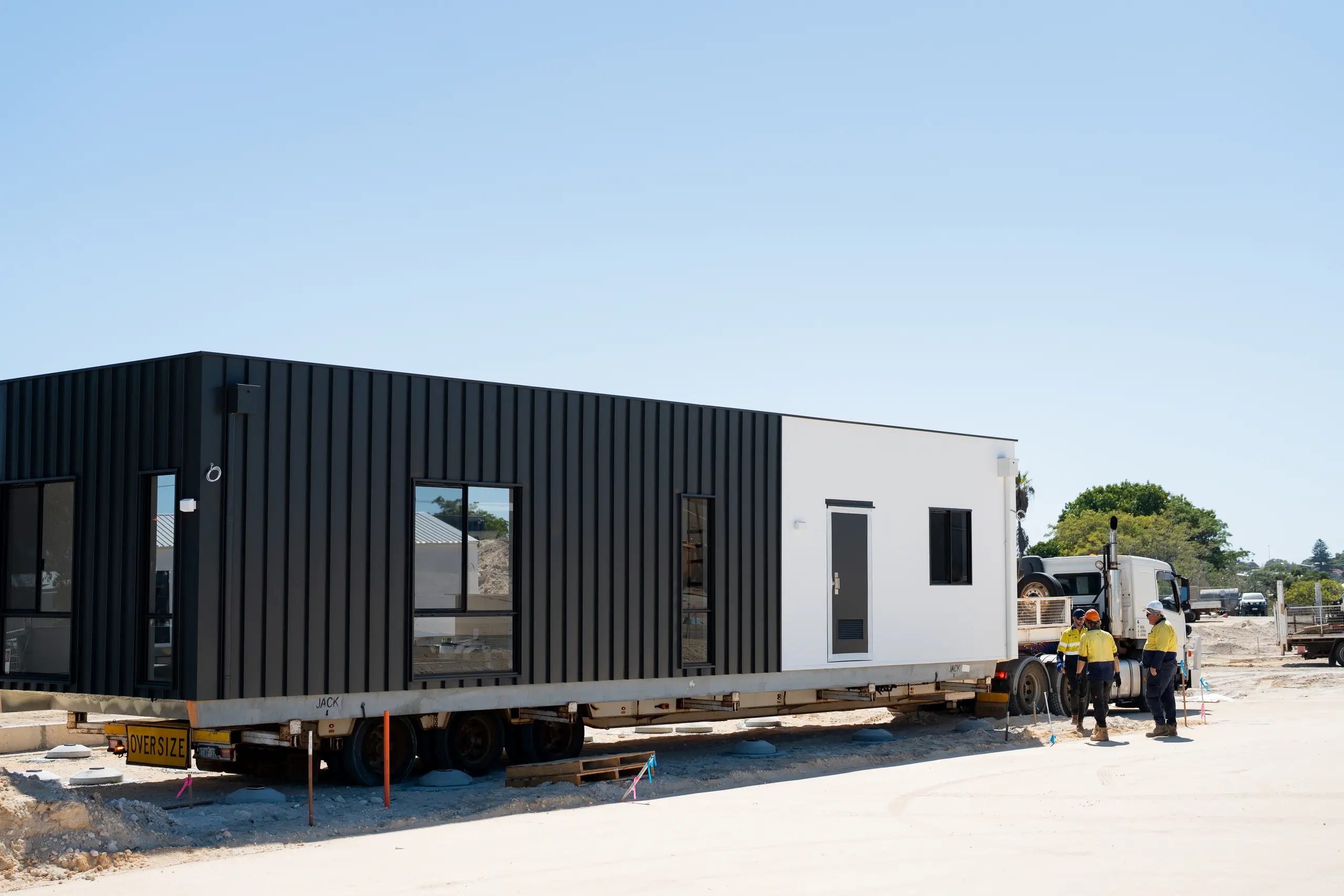
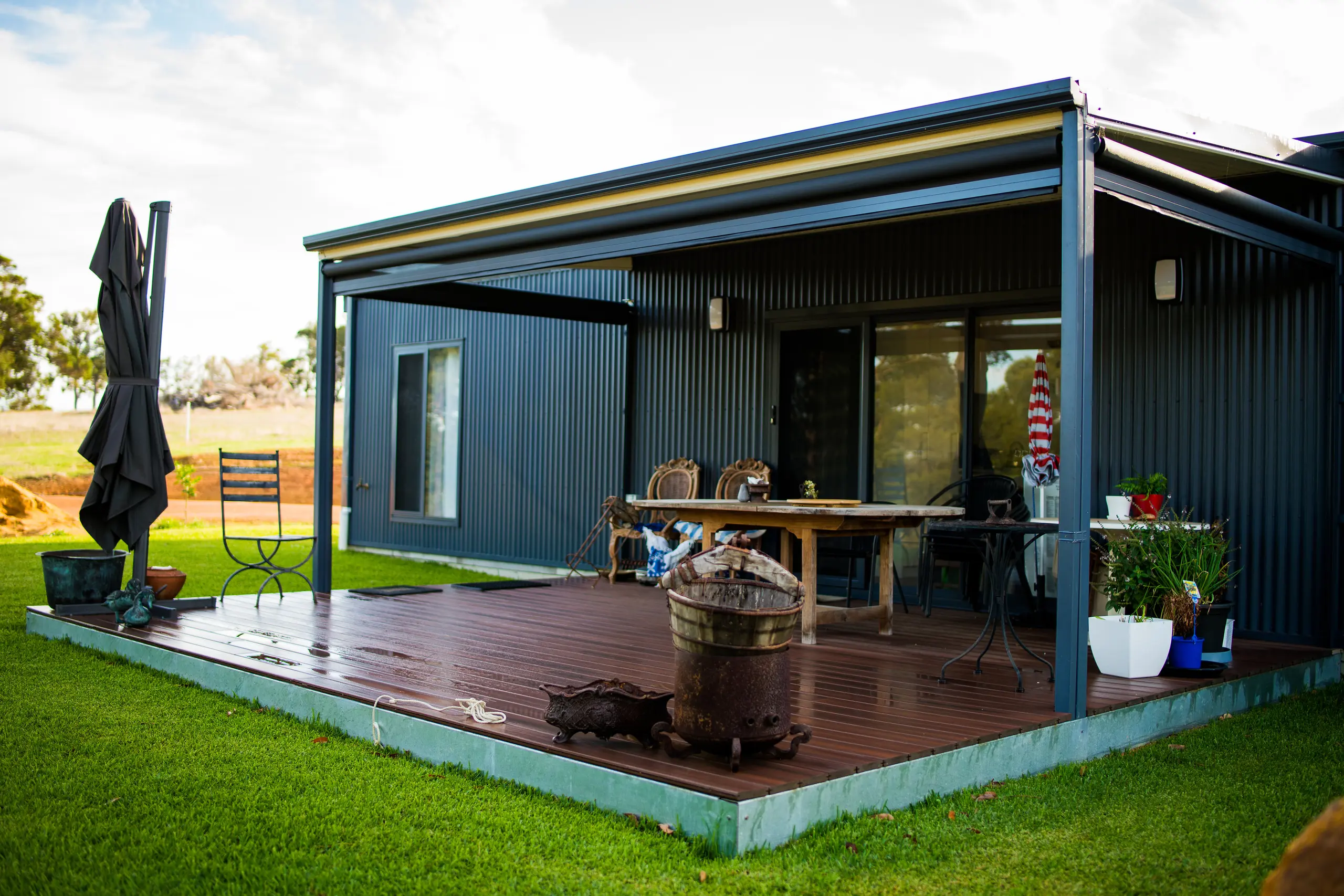
7. Can modular homes be built in regional WA?
Yes, and they’re ideal for it. WA’s vast landscape presents challenges for traditional builders, but modular homes solve many of these by reducing on-site work. Our modules are transported from our facility to your location, whether it’s in the city, coast, or outback—and assembled quickly and efficiently.
8. Are modular homes durable and long-lasting?
Absolutely. MIRA’s homes are engineered to meet and often exceed local building standards. We use high-quality materials and proven construction methods to ensure each home stands up to WA’s diverse conditions, from coastal salt spray to inland heat and wind.
9. Do I need council approval for a modular home in WA?
Yes. Modular homes are treated the same as any permanent dwelling, meaning council approvals are required. The good news is that MIRA handles the entire process for you—from design documentation to submission and compliance.
10. What makes MIRA different from other modular builders?
We’re not just building houses, we’re building homes for real people in real communities. Our focus on design, sustainability, and transparency sets us apart. We believe you shouldn’t have to compromise between affordability, beauty, and performance. With MIRA, you get all three.