Western Australia is facing a severe housing shortage, with the greatest impact felt by low- to moderate-income households.
Rapid population growth and limited housing supply have created a market where housing costs, house prices and rental property availability are under intense pressure.
The shortage particularly affects key workers, social housing recipients and first-home buyers, highlighting the urgent need for solutions that increase housing supply, improve affordability and provide stable options for all households.
The Scale of WA’s Housing Shortage
Key Figures and Trends
More than 210,000 Western Australian households now consider their housing unaffordable, a 91% increase since 2022, according to the Housing Affordability in Western Australia 2025 report.
The scale of the housing shortage in Perth
The demand in WA’s housing market is dramatically outstripping supply across both rentals and purchases. Rents in Perth have climbed by 76% since 2020, reaching a median of $740 per week, while the state delivered over 20,000 new homes in 2024 (its highest since 2017), but still fell an estimated 4,000 homes short of projected annual demand.
Home prices have risen sharply alongside rental increases, with the median house price in Perth rising to around $775,000 as of April 2025, nearly 20% higher than the year before, reflecting the competition for both existing homes and new builds.
Rapid population growth, with an increase of 4.2% since March 2024, concentrated in the Perth metro area, has also intensified demand.
The scale of the housing shortage in rural WA
Housing stress in rural WA is also significant, with analysis showing that around 5.2% of households in rural WA aren’t appropriately housed (meaning they’re homeless, overcrowded or spending more than 30% of their income on housing), roughly equivalent to the rate in Perth itself.
This pressure has had direct impacts on local economies, with three-quarters of regional businesses reporting that a lack of suitable accommodation and housing is making it difficult to attract and retain employees. In some more remote areas, such as the Kimberly and Pilbara, more than 70% of businesses cite housing availability as a barrier to hiring workers.
Causes behind the WA housing crisis
Population growth
Perth’s population continues to expand rapidly, with growth concentrated in and around the metro area. This increased demand places mounting pressure on an already sluggish housing supply, contributing to shortages and making it harder for new homes to meet residents’ needs.
Construction delays
Ongoing construction delays and mismatches between housing supply and demand are continuing to drive up costs across WA. These delays are inflating costs, prolonging projects and intensifying competition for both rentals and new builds.
Even where land is available, dragging build times are creating a backlog, contributing directly to the shortage. Official data indicates WA had the largest backlog of homes under construction among states, which is creating a bottleneck as new starts pile up behind unfinished projects.
These bottlenecks highlight why alternative delivery models that reduce on-site build time are gaining attention across WA.
Rental Shortfalls
Rental shortfalls have pushed households into highly competitive markets. This has driven rent increases, reduced choice, and made it harder for families to secure stable housing.
Vacancy rates remain at a historic low, even with a slight increase in supply, reflecting the continuing rental pressure Western Australians face.
Land scarcity and zoning limitations
A lack of available, developable land in high-demand areas and restrictive zoning regulations limit where new homes can be built. This concentrates demand in certain suburbs, exacerbates price pressure, and slows the overall growth of the housing stock. It also makes it harder for developers to respond quickly to population growth, contributing to delays in meeting unmet needs.
Rising construction costs
Escalating material prices, labour shortages and supply chain challenges have pushed the cost of building new homes higher and higher. This not only impacts affordability but also discourages developers from starting new projects, widening the gap between supply and demand even further.
Government reporting also showcases workforce growth initiatives aimed at expanding the construction workforce, implicitly acknowledging cost pressures and labour shortages as key barriers to easing demand.
Impacts on Residents and Communities
Homelessness and Housing Stress
The shortage of homes and rental properties contributes to higher levels of housing stress and exposure to insecure living conditions. Across Western Australia, nearly 10,000 people experience homelessness, with rough sleeping having risen sharply and over 1,900 people recorded as either rough sleeping or temporarily sheltered in Perth and the South West alone.
Long waits for affordable housing and competitive private rental markets put extra strain on people who are at risk of homelessness or are already experiencing unstable housing situations. Reports show that the difficulties of securing a home contribute to broader social challenges that affect communities as a whole.
Pressure on Renters and Buyers
Low vacancy rates and rising costs mean many renters and buyers are spending a larger proportion of their income on housing. As of April 2025, Perth renters were spending more than 30% of their income on rent, a level that defines housing stress and makes it unfeasible for many households to cover everyday living expenses.
As affordability worsens, fewer households feel they can meet homeownership goals, with only a minority of renters and mortgage holders in Western Australia considering their housing as ‘affordable’. This pressure is felt most acutely by Australians on lower and mid-level incomes, to the point where advocacy groups have reported there are no affordable private rentals for people on income support or minimum wage anywhere in the state.
Efforts and Strategies to Address the Crisis
Government Plans and Policy Approaches
The WA Housing Strategy 2020-2030 outlines long-term plans to increase overall supply, improve access to social and affordable housing and support sustainable growth across the housing market.
This includes identifying opportunities to expand social rental stock and reduce barriers to construction in areas of high demand. While these strategies are intended to work and ease pressure over the long term, early action is needed to address the urgency of the unmet demand.
Industry Responses and Innovations
Industry analysts highlight that broader use of faster construction methods and innovative approaches can help to ease supply constraints. Reducing the time it takes to bring homes to market and fostering collaboration between government and private developers are essential to addressing the housing shortage.
Faster delivery means more homes become available sooner, helping to ease competition and stabilise rising rents. Coordinated planning and partnerships ensure that developments are efficient, well-located and meet community needs.
Faster Construction, More Homes
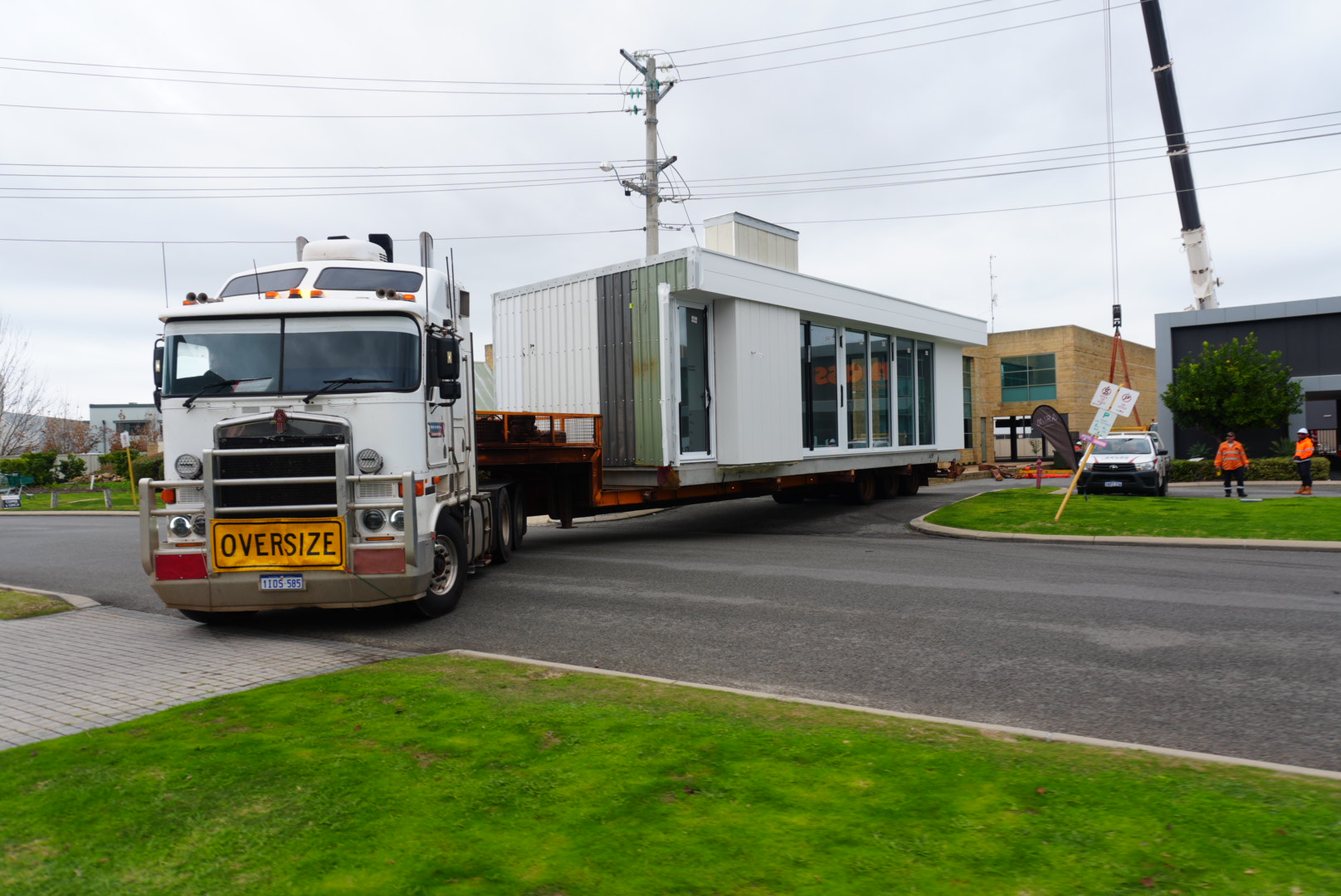
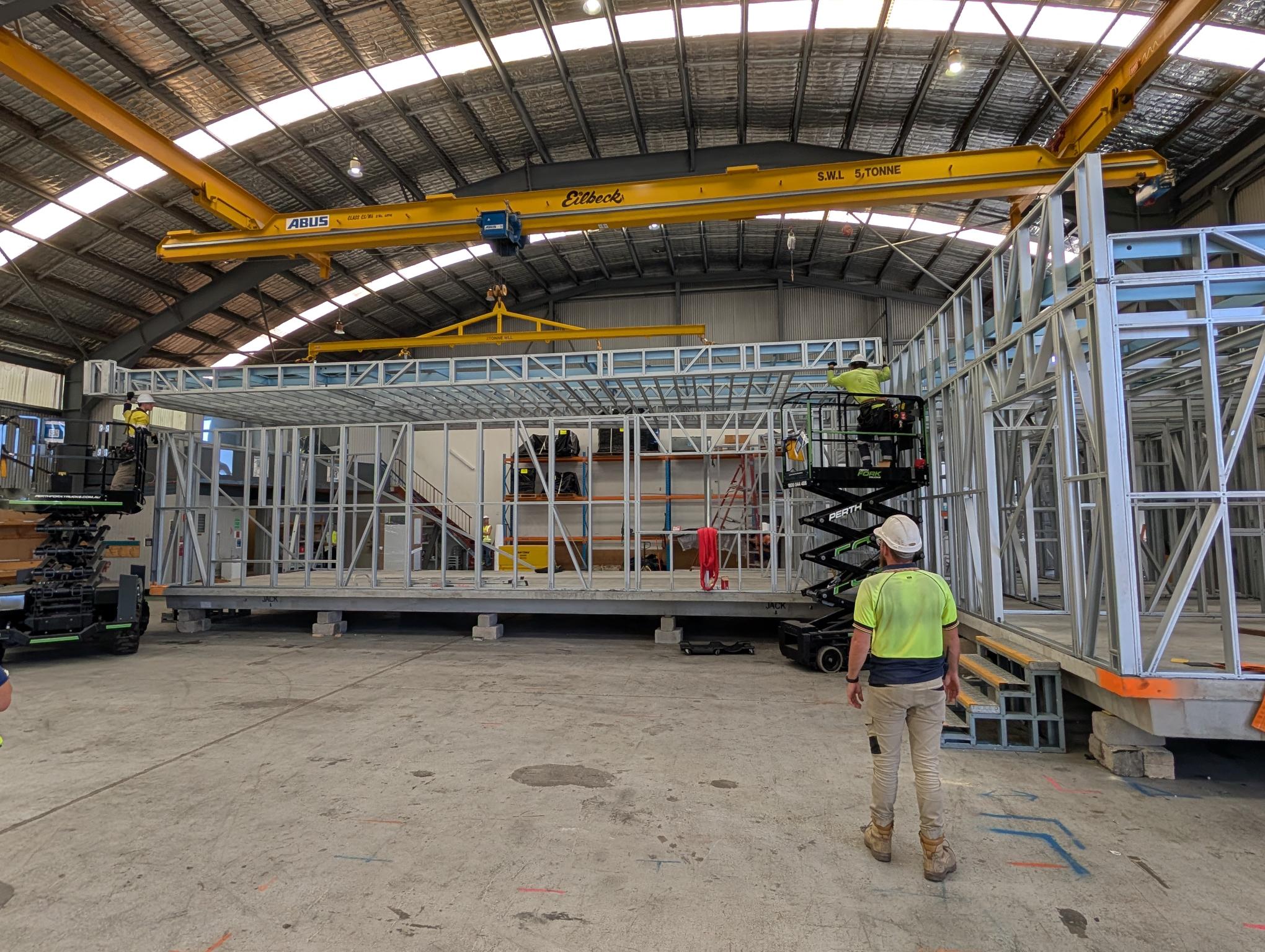
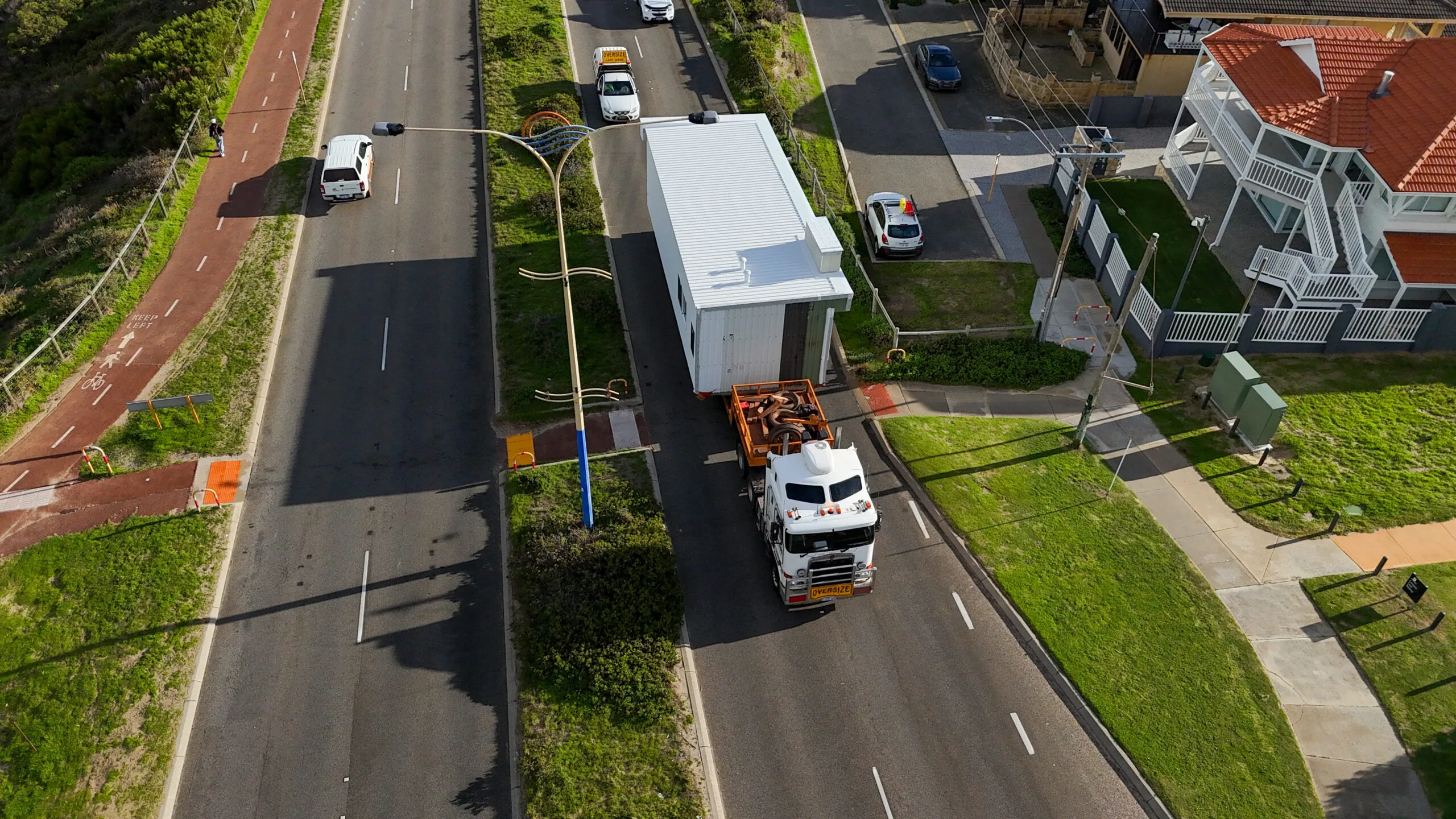
Modular homes can be manufactured off-site and assembled quickly on location, allowing for a much faster turnaround than traditional building methods. This approach reduces the time that construction sites are active, helps avoid delays caused by labour shortages or weather and allows multiple components to be built simultaneously.
In a market where housing supply has consistently lagged behind population growth, modular construction can deliver more homes in a shorter timeframe, helping relieve competition for existing stock and providing renters and buyers with faster access to stable housing.
Reducing Bottlenecks in the Market
The Western Australian Government is also investing in critical infrastructure to unlock new residential land, with a $101 million allocation from the Housing Enabling Infrastructure Fund (HEIF) to bring water and power infrastructure to market sooner and open up around 33,000 new residential lots across the state.
There are also efforts to grow the local construction industry. From January 2025, more than 2,140 new fee-free TAFE places will be available in housing and construction, including pre-apprenticeships in trades such as bricklaying, carpentry and plumbing, helping bring more skilled workers into the trades.
In addition, WA is expanding fee-free and low-fee building and construction courses, with government investment adding multiple qualifications to increase access to training and accelerate entry into the housing construction workforce.
Looking ahead past the housing crisis
Addressing the Western Australian housing crisis will necessitate ongoing coordination between policymakers and industry builders. A sustained focus on expanding housing supply, supporting the growth of rental markets, and leveraging faster construction methods, such as modular or prefabricated homes, will help create more stable living conditions for residents and key workers.