An Overview of Australian Housing Styles
Australia’s housing market reflects a wide range of responses to climate, history and lifestyle.
From cosy apartments to elevated Queenslanders, Australian homes differ in layout, building materials, access to natural light and transitions between indoor and outdoor spaces.
Features such as high ceilings, spacious living areas, and ornamental detailing can often reveal both heritage influences and contemporary design priorities.
Understanding the different types of houses in Australia helps buyers, renters, and investors better align their practical needs with the ideal housing style.
This guide will outline common residential property types, highlighting defining characteristics and key considerations for everyday living in an Australian home.
Single-Storey Detached Houses
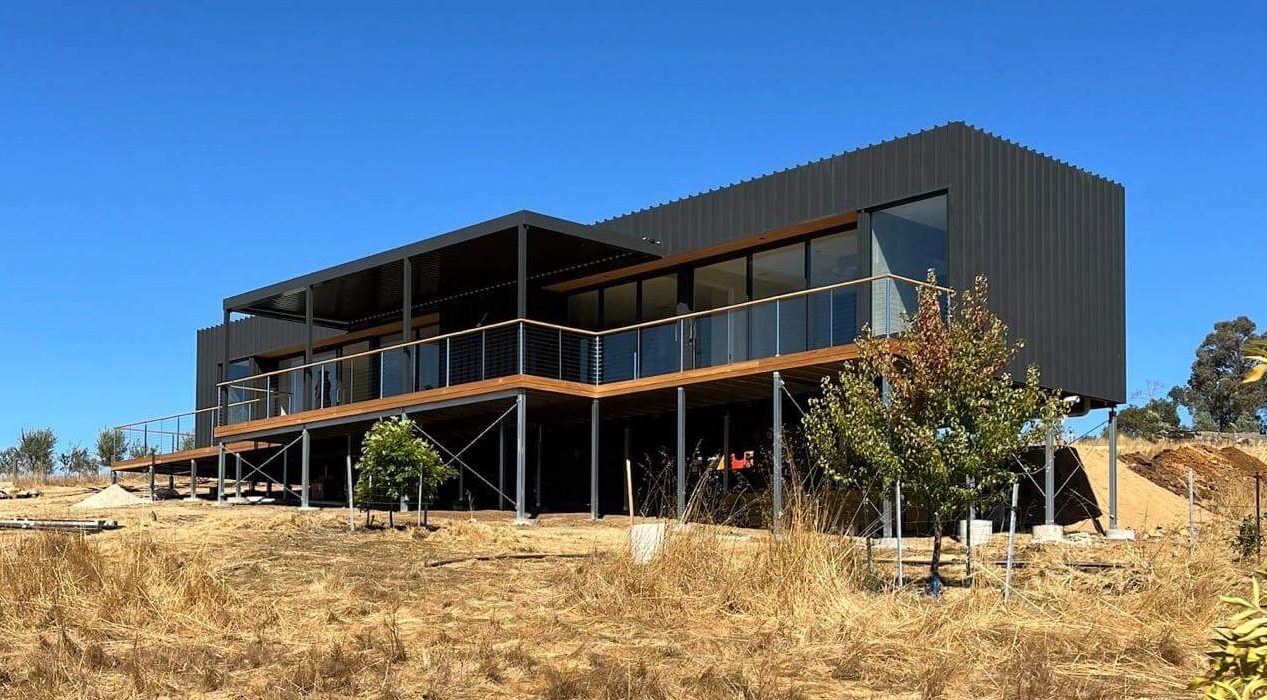
For many Australian families, single-storey detached homes offer simplicity and easy living.
With all the rooms on the one level, these homes offer uninterrupted floor plans, generous living areas and direct access to gardens and outdoor spaces.
High ceilings and large windows can be employed to bring in even more natural light, creating an open, airy feel.
While they may take up more land than multi-storey alternatives and can be costlier to heat or cool, their accessibility makes them ideal for established adults or families with young children.
Detached homes offer design freedom, privacy from neighbours, and the flexibility to customise layouts for a variety of lifestyles.
Double-storey Detached Houses
Double-storey homes maximise space on smaller plots while offering distinct separation between living and private areas. Bedrooms and private areas are typically situated upstairs, leaving the ground floor open for kitchens, living rooms and dining areas.
Construction costs can be higher than for single-storey homes, and stairs may be a dealbreaker for some residents.
However, double-storey houses provide versatile floor plans and spacious living areas, accommodating families who need more space without expanding the building’s footprint.
They’re still a common choice in Australian suburbs, balancing functionality and comfort.
Townhouses
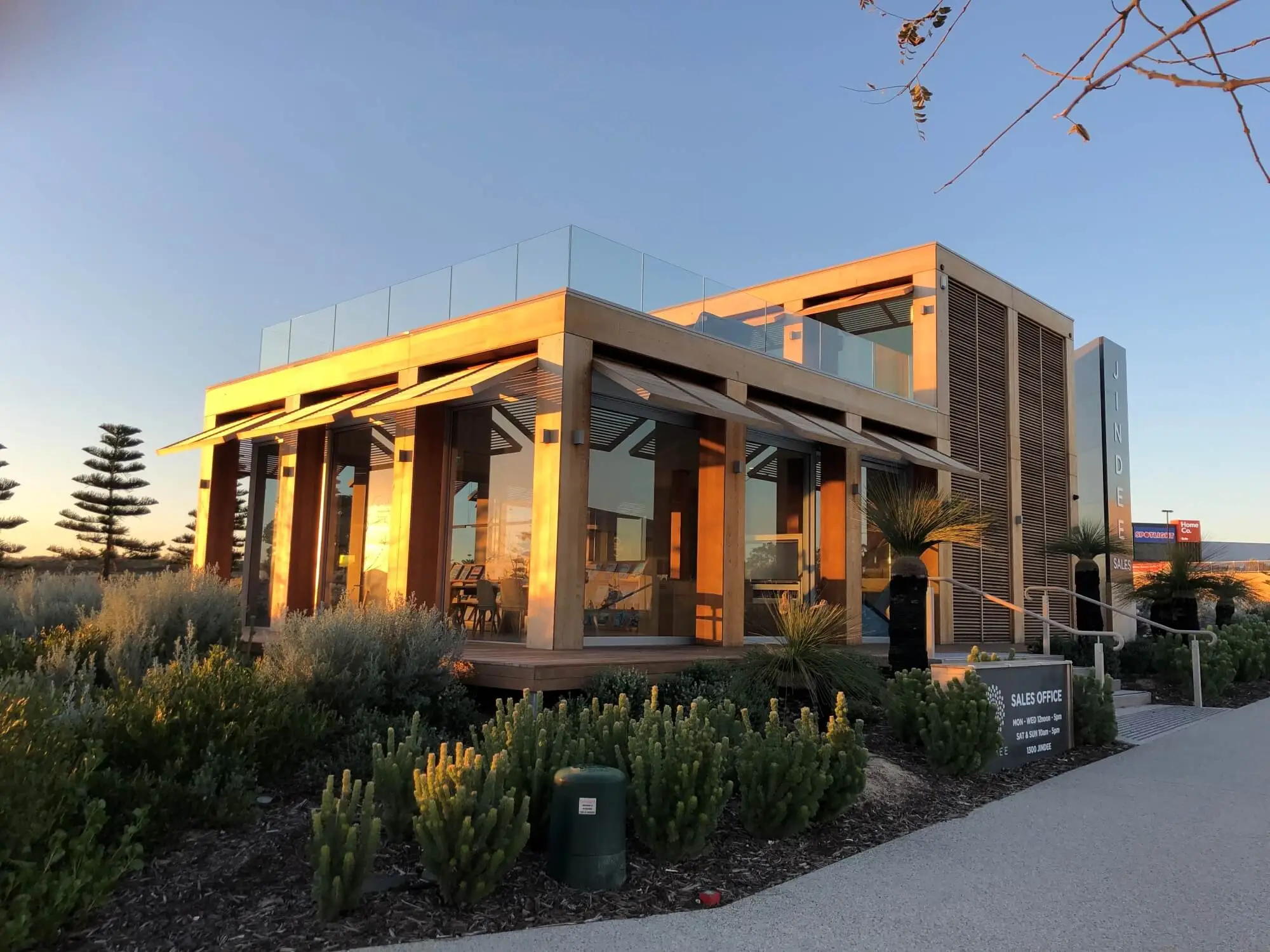
Townhouses are a practical solution for medium-density living, often sharing walls but providing private entrances and compact outdoor spaces.
Especially important in the current housing market, open plan layouts make the most of limited space, while integrated storage and efficient floor plans support low-maintenance living.
Townhouses are perfect for young families, professionals or anyone seeking proximity to urban amenities and services.
While garden space and privacy may be less than in detached homes, these houses often offer greater access to public transport, local shops, community facilities, and modern layouts, making them attractive to first-time buyers, young families, or those seeking lock-and-leave urban living.
Apartments
Apartments are self-contained units situated within a larger building, ranging from low-rise blocks to high-rise towers. They typically feature shared facilities such as gyms, pools and gardens.
Apartments are ideal for people seeking minimal upkeep, security, and proximity to public transport, shops, and workplaces.
Living in an apartment has its challenges. These can include limited outdoor space, sharing walls with neighbours, and obligations to the body corporate, such as Strata.
However, the benefits of convenience and easy access balance these issues. Apartments require less upkeep and offer clever layouts, fitting city lifestyles without the responsibilities of a traditional house.
Duplexes
A duplex is a single building divided into two separate residences, often mirror images of each other. Each dwelling maintains its own entry and internal layout while sharing structural elements, such as walls or roofs.
Duplexes allow homeowners to occupy one side while renting the other or accommodate intergenerational living arrangements.
From a planning perspective, duplexes make efficient use of the land and can help reduce overall construction and servicing costs.
They’re commonly used in established suburbs where zoning allows increased density without the scale of larger developments, making them a practical option for both owner-occupiers and long-term investors.
Modular Homes
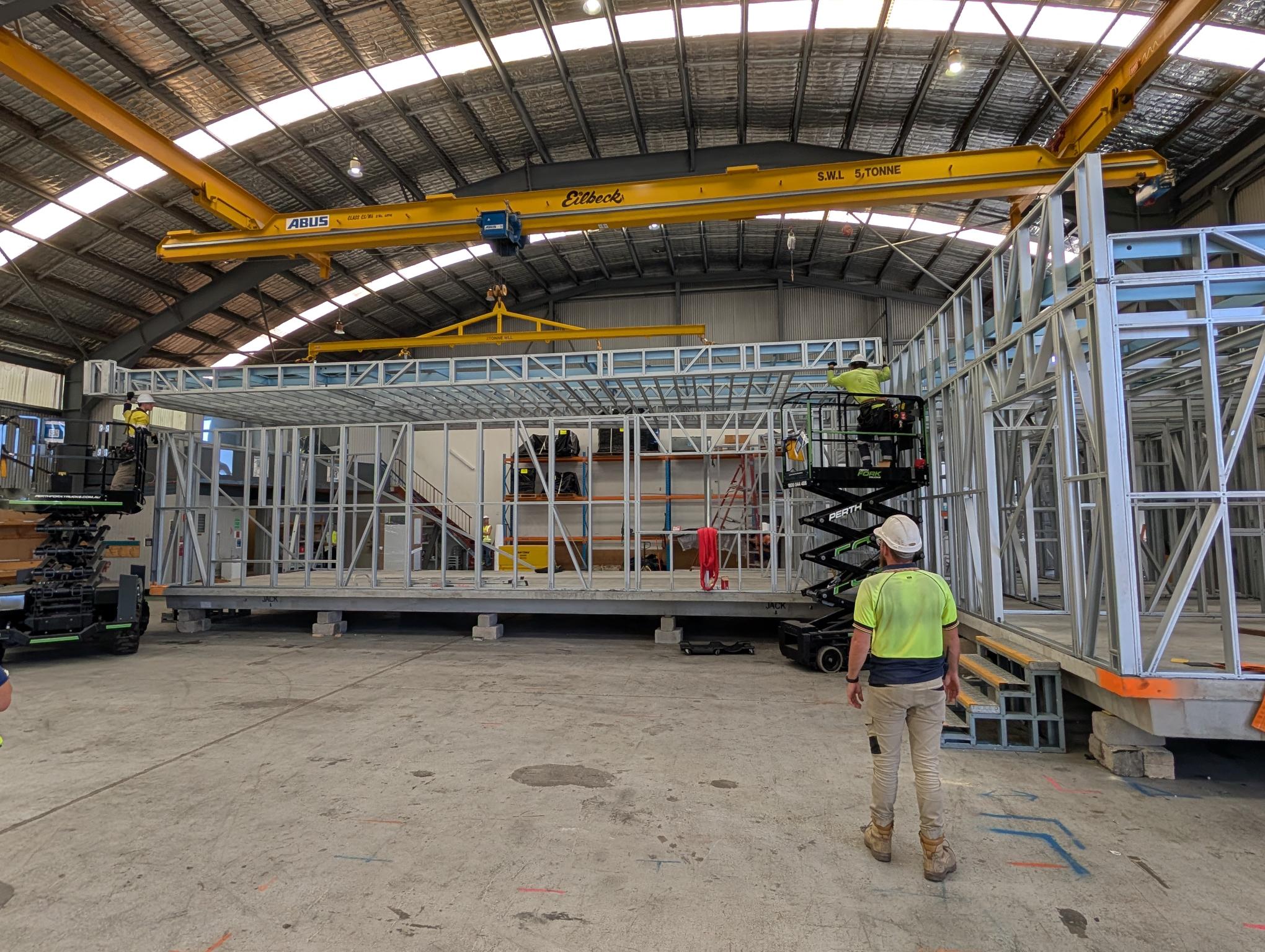
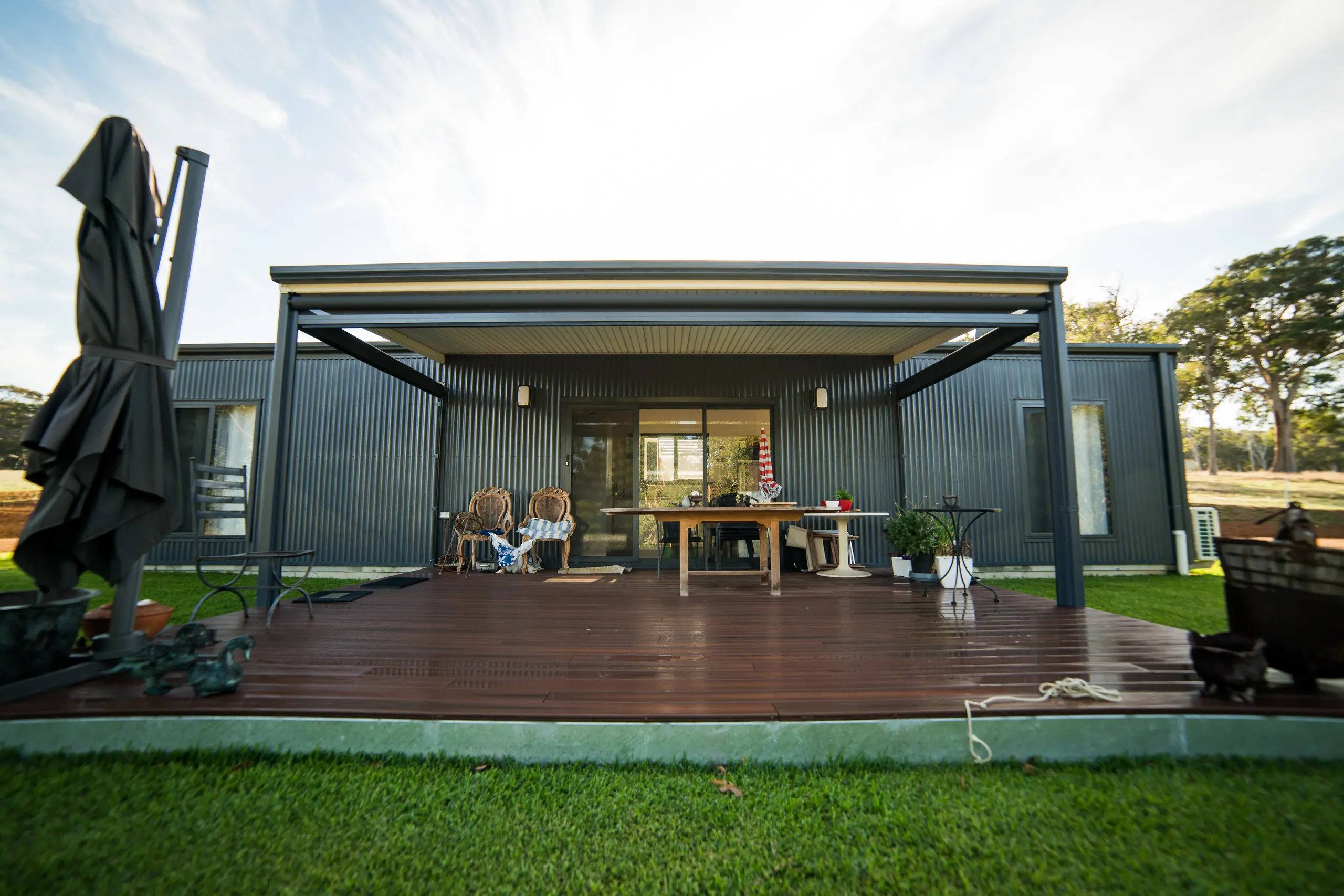
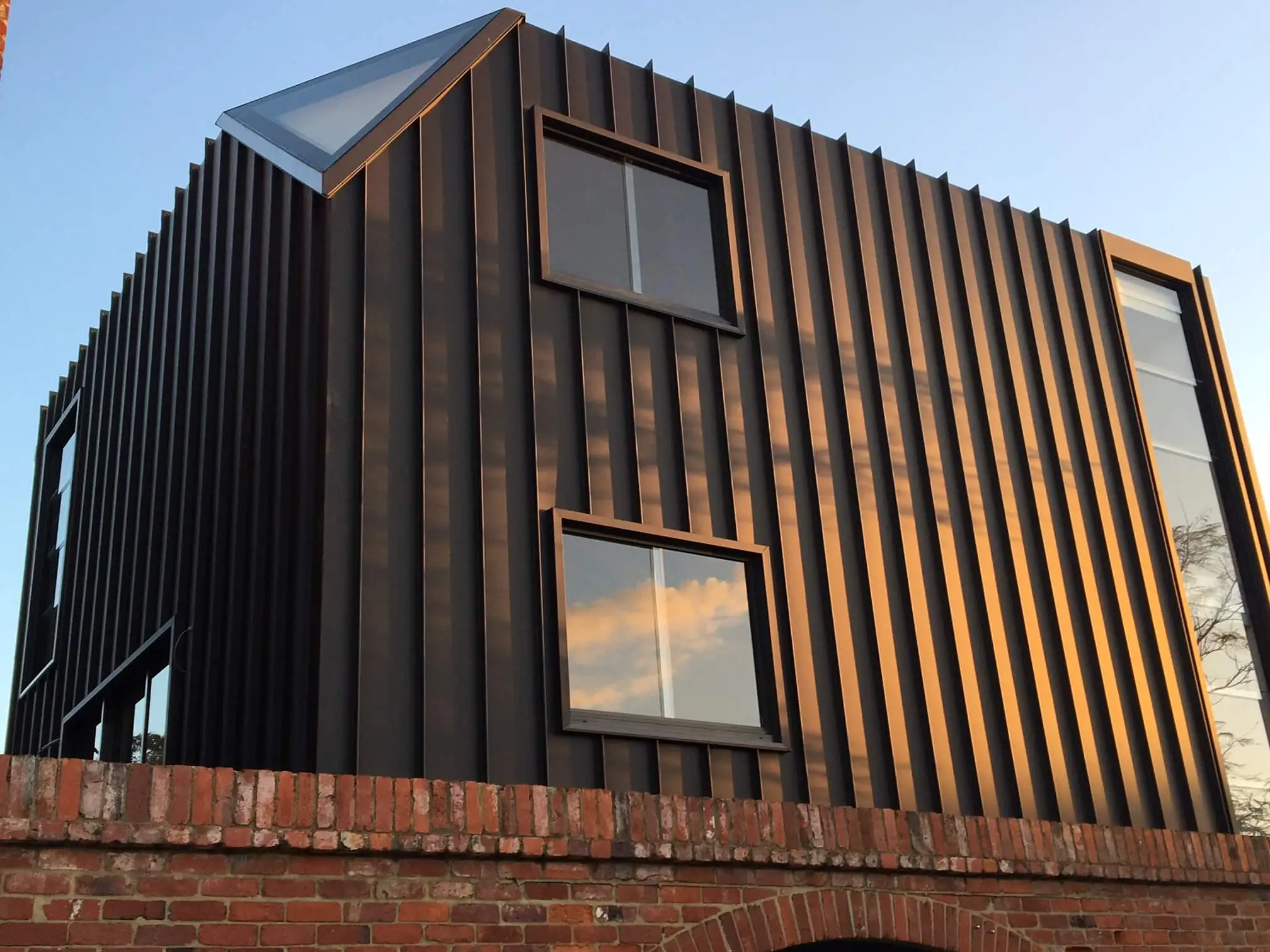
Constructed off-site and assembled on location, modular homes follow a manufacturing-led process rather than a traditional site build.
Individual modules are produced in controlled warehouse environments, reducing weather-related delays and improving build consistency.
Once delivered, the home is installed on permanent foundations and finished to meet local planning and building requirements.
One massive advantage is timeline certainty, as construction and site preparation will often run in parallel. However, modular homes can be constrained by site access and council requirements.
As an overall housing option, modular homes reflect a shift in the Australian housing market towards efficiency and predictability in construction.
They have been, and remain, a smart solution for those in rural and regional areas.
Villa
Villas are generally single-level homes arranged in small groups, often within strata or shared land developments and sharing boundaries or infrastructure.
They balance private internal living with modest outdoor areas such as courtyards or patios; this format suits buyers seeking functional floor plans without the demands of larger homes.
This can be very appealing to downsizers or those looking for a low-maintenance lifestyle. On the other hand, individual design may be limited, and proximity to neighbours could reduce privacy.
On the whole, villas work best for homeowners who prioritise accessibility and manageable living spaces over expansive land or multi-storey designs.
Terraced Houses
Terraced houses are attached dwellings arranged in continuous rows, each with its own entrance and internal layout. Historically common in inner-city suburbs, they are increasingly being adapted for modern urban living.
Vertical layouts allow living areas to be separated from bedrooms, while courtyards provide outdoor space without requiring large amounts of land.
The orientation of your property can limit natural light, and renovations may be subject to restrictions in heritage areas.
Even so, terraced housing remains popular for buyers seeking proximity to amenities, character-driven streetscapes and homeowners prioritising location over lot size.
Beach Houses
Coastal homes are shaped just as much by their climate as they are by lifestyle. Designers often create beach houses to maximise views, airflow and connection to the outdoors through elevated decks, wide openings and durable materials.
Layouts usually prioritise communal living areas, encouraging easy transitions between interior and exterior spaces.
Exposure to salty air and high UV light means ongoing maintenance needs to be factored in. Material selection will also play a significant role in longevity, particularly for fixtures and external finishes.
Despite these challenges, beach houses remain desirable thanks to their relaxed atmosphere, connection to the landscape and suitability for both permanent and holiday living.
Passive Houses
Rather than being defined based on appearance, passive houses are categorised by performance. These homes are especially designed to maintain comfortable internal temperatures with minimal reliance on mechanical heating or cooling. Key elements include high insulation levels, airtight construction and controlled ventilation systems.
Initial construction costs may be higher due to specialised design and detailing, but long-term operational savings will often offset them.
Passive houses require careful planning from the outset, as changes during construction can compromise efficiency. For homeowners who prioritise energy use, comfort and environmental impact, passive housing offers an alternative to conventional residential design.
Heritage Homes
Homes classified as heritage reflect architectural periods that have shaped Australia’s residential history. Many features and materials, such as decorative timberwork, masonry detailing, and original glazing, are no longer used. All these elements combined contribute to a strong sense of identity and continuity.
Ownership can involve additional responsibilities, including maintenance requirements and planning controls that limit alterations. Modern upgrades often require careful integration to preserve original character.
Heritage homes may not be as flexible as new builds. However, what they lack for in versatility they more than make up for in charm and character.
Tiny Homes
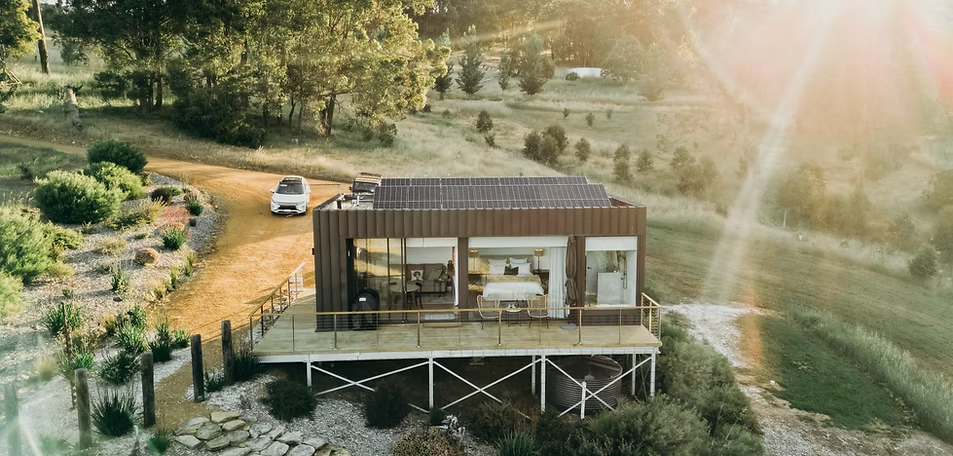
Designed around efficiency rather than expansion, tiny homes prioritise essential living within a compact footprint. Interiors rely on multi-purpose spaces, integrated storage and simplified layouts to make a limited square metreage workable.
Planning regulations and permanent placement requirements vary, which can affect where and how tiny homes can be used. Storage limitations and reduced separation of function may not suit everyone. For individuals or couples focused on simplicity and affordability, tiny homes offer an alternative to traditional residential living that challenges expectations around size and consumption.
Queenslander Homes
Designed for the hot, humid conditions of northeast Australia, Queenslander homes are typically raised off the ground to improve ventilation and reduce heat retention.
This elevated form also helps protect the structure from moisture and pests while creating usable space beneath the home. Timber is the primary building material, paired with wide verandas and pitched roofs that provide shade and encourage airflow.
While many original Queenslanders require upgrades to meet current building and energy standards, their adaptable layouts allow for clever renovations. These homes are still popular in subtropical areas where climate suitability and a balance between indoor and outdoor living are priorities.
Barn Houses
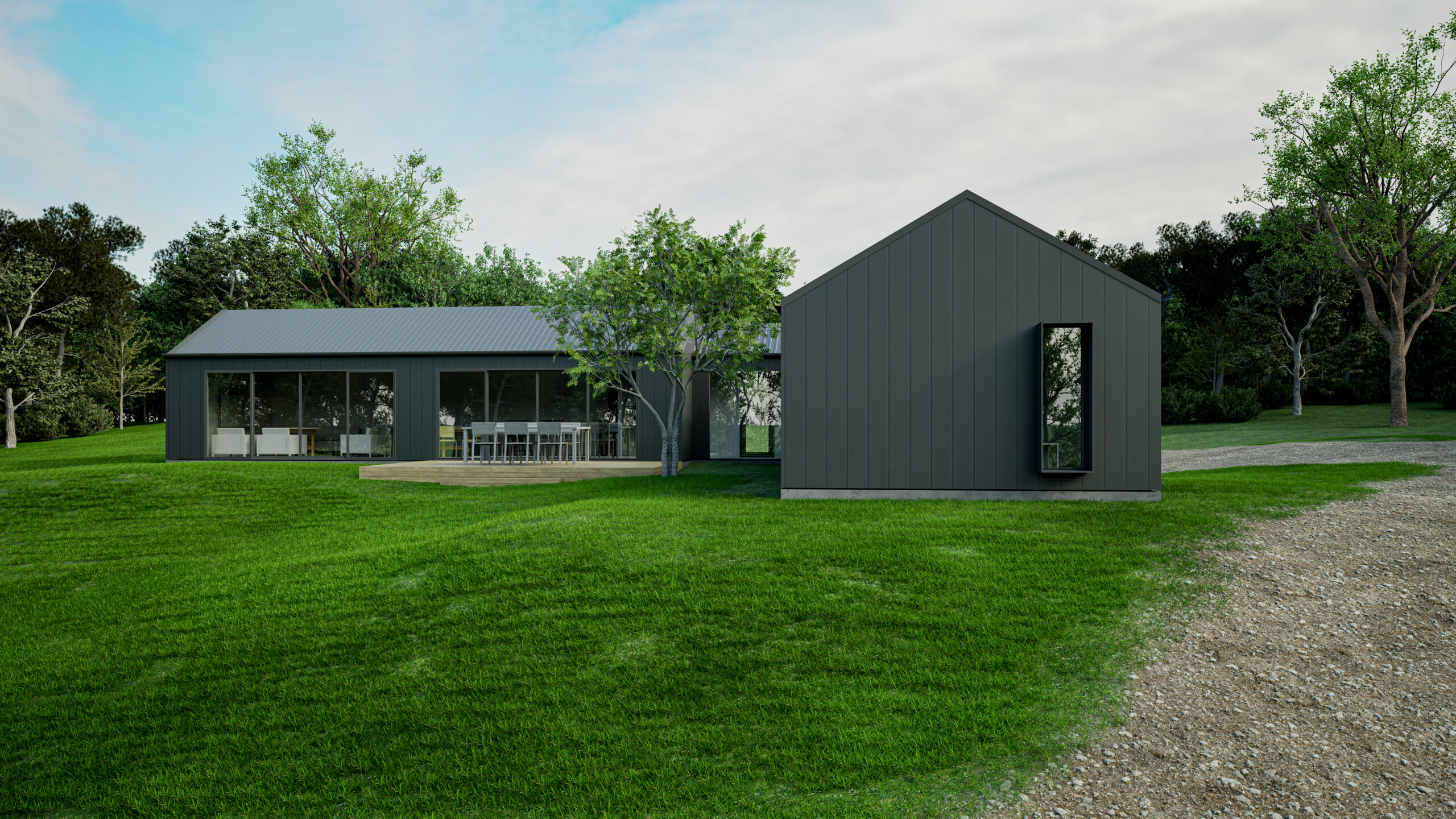
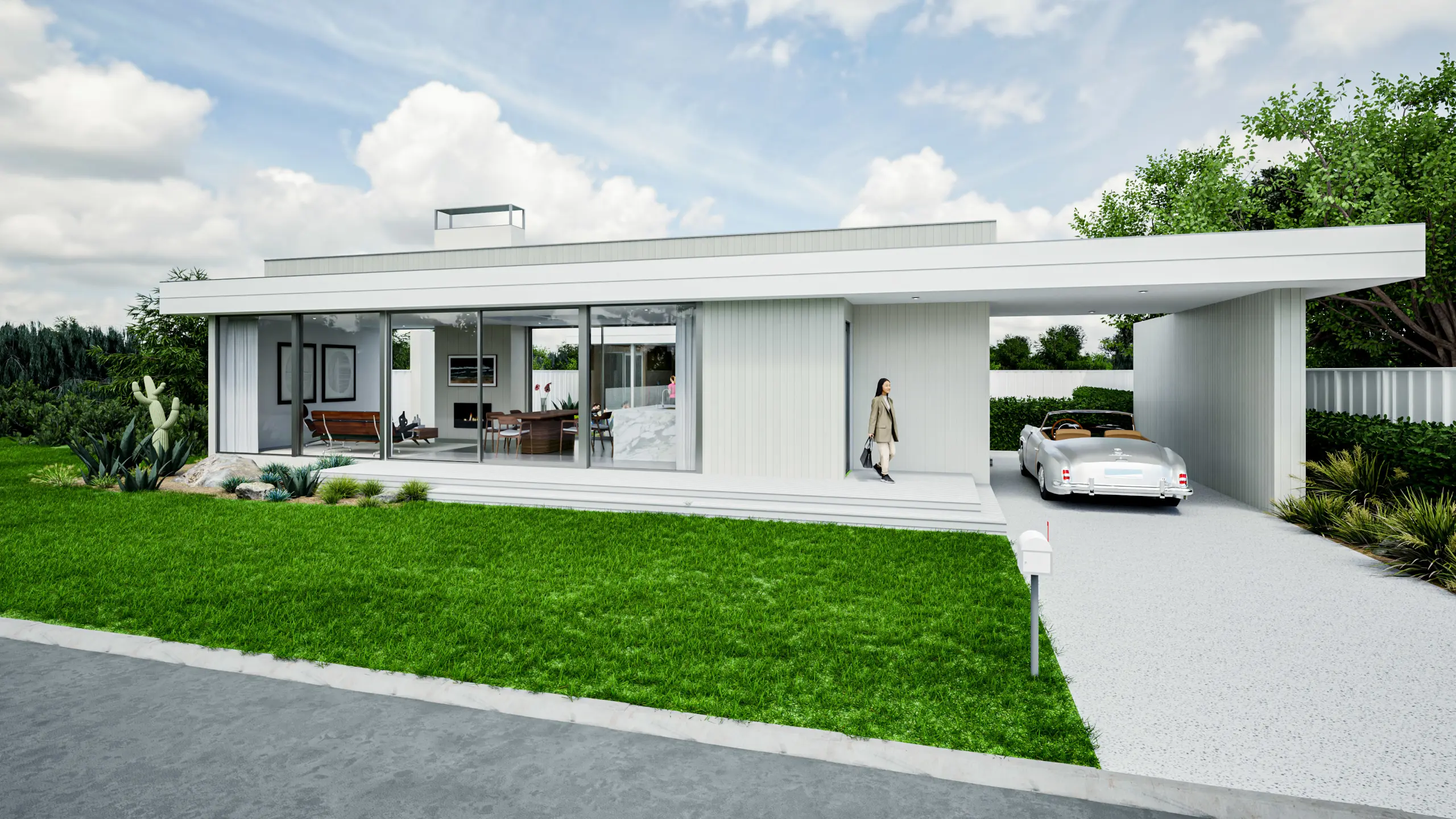
Barn houses adapt the simple forms of agricultural buildings into contemporary residential design, focusing on strong geometry and open internal spaces.
Interiors generally feature expansive living areas, vaulted ceilings, and exposed structural elements that emphasise scale rather than ornamentation.
Large windows or sliding doors are commonly used to connect the interior with the surrounding land, making these homes well-suited to rural or semi-rural locales.
Because of their size and open layout, planning requires careful management of acoustics, heating, and cooling. Barn houses work best on larger blocks where orientation and spacing can be optimised, offering a balance between visual impact and a liveable space.
Choosing the Right Home Type for Your Lifestyle
Choosing a home is less about the style itself and more about how it aligns with your lifestyle and everyday routines. Consider how much time you want to spend on maintenance, how your household uses shared and private spaces, and how the home will respond to the climate and location.
Some people prefer compact, low-maintenance living close to amenities, such as apartments or townhouses. Others value flexibility, land, or architectural character, which is where standalone and modular homes offer greater freedom to design around lifestyle and future needs.
Each housing type in Australia presents trade-offs between space, cost, upkeep and long-term versatility. Understanding these differences helps buyers make informed decisions that support both current needs and future plans. A well-thought-out home provides you with comfort, practicality and longevity rather than just following design trends.