Understanding Delays in Home Building with Traditional Build Methodology and How Prefab Homes Avoid These Issues
Building a home in Western Australia, whether in Perth or a regional location, is exciting, inspiring and full of possibilities. Whether it’s your first home, upsizing, downsizing or rightsizing, building is a rewarding journey.
It is no secret that on-site building delays in Perth, Western Australia, across the country and even the world, are widespread. If you’re planning a new home, it’s important to understand what can cause delays and how they may affect you.
Just as importantly, there are ways to plan ahead, or even avoid many of the building issues that come from on-site construction. From choosing an experienced, reputable builder and setting clear expectations to exploring alternative construction methods, such as modular homes, to help alleviate construction delays.
Explore the causes, impacts, and solutions to home-building delays in Perth and WA and learn how prefab and modular home construction can help eliminate many of these issues and get you into a home sooner.
Key Causes of On-Site Construction Delays in WA and How Prefab is Setting a New Benchmark
Supply Chain Disruption
Official government communications acknowledge that material and workforce shortages, coupled with transport and logistics challenges, have contributed to project delays and cost increases for on-site builders and tradespeople across the state.
These impacts have been felt in both metropolitan Perth and in regional on-site construction projects. Let’s explore the key causes of building delays in WA, their impact and what realistic solutions are available.
Trades and Labour Shortages
Western Australia’s strong economy has increased demand for skilled labour across industries, putting more pressure on the residential construction sector. High levels of employment in WA’s building industries, including construction, have intensified workforce shortages, which are slowing project timelines as some tradespeople are booked out months in advance.
Workforce shortages in regional WA are largely driven by labour shortages resulting from mining competition. Mining accounted for 44.7% of Western Australia’s GSP in the 12 months to June 2023. When you build with MIRA, the trades and supplies are housed within one work site, mitigating the trade and labour shortages found when building a home via traditional on-site construction methodology.
Weather and Seasonal Impacts
Weather and environmental conditions can significantly affect construction timelines. Extreme heat in WA and other seasonal patterns can delay site preparation, foundation work, and finishing trades, especially in regional areas where access and ground conditions can vary more than in urban areas.
As prefab modular construction is done in a controlled factory environment, weather delays are not common.
Building Approvals and Compliance
The building approval process itself can be a source of delay. Western Australians must often navigate layered approval requirements for building permits, planning consent and compliance verification by local governments.
The WA Government has recognised that uncertainty around approval times has contributed to frustration and has announced reforms to streamline and reduce delays in the process by allowing Instant Start for certified residential applications, where planning compliance is verified.
The MIRA team works with you and all government partners to secure building permits, approvals, and anything else required to ensure a smooth process from administration to construction.
Impact on Homeowners
Extended Timelines and Disrupted Plans
Extended builds can have real effects on your life plans, especially when you’re planning to move into or sell an existing home. When timelines stretch beyond the expected number of days, you may find yourself delaying relocation, extending temporary accommodation or renegotiating moving arrangements.
While no official government source tracks individual delays, the Housing Industry Association (HIA) advises homeowners that delays are common and should be planned for.
MIRA can ensure a swift construction timeline, often just 12 weeks, for your new home build with a standard 2-module home design from slab delivery to final inspection. Many extended timelines and disrupted plans that are triggered during on-site construction are not as poignant during prefab and modular home construction.
Cost Increases and Budget Pressure
Delays will often increase costs. Higher material prices, transport costs and labour expenses can stretch your budget. Even with a fixed-price contract, indirect costs such as site management and temporary accommodation may arise.
The WA Government Builders’ Support Facility provides interest-free loans to eligible builders to help complete homes under construction for more than two years, reducing the number of properties caught in construction limbo and helping homeowners access completed homes.
With MIRA’s controlled construction environment and streamlined delivery timelines, you can avoid many of these risks, giving you greater cost certainty and peace of mind throughout the build.
Contractual Implications and Time Extensions
Most building contracts include provisions for time extensions to cover unforeseen delays. These clauses are explained in the HIA and Master Builders Association (MBA) standard contract guides, which state that they protect builders from supply chain issues, installation delays, or approval holdups.
With MIRA’s streamlined off-site construction process and scheduling control, many of these common delay factors are minimised, helping keep your project on track.
Lifestyle Disruptions and Interim Costs
Longer builds often result in lifestyle disruptions, especially if you are living elsewhere during construction. Interim costs, such as rental payments, storage for belongings, additional site visits or temporary utilities, can accumulate, increasing both your personal stress and your expenses. HIA and MBA homeowners’ guides recommend planning ahead and budgeting for these costs to manage the practical impacts of a delayed build.
Solutions and Support
Early Planning and Realistic Timelines
Careful planning is one of the most effective ways to manage expectations and mitigate delays. Preparing a realistic timeline at the start of your home-building journey helps you align expectations with industry realities, including procurement, weather-related delays, and compliance processes.
Builders with experience in the Western Australian market can provide guidance on typical timeframes for approvals, inspections and construction stages. Planning ahead also allows homeowners to organise interim accommodation, budget for contingencies and coordinate other life events around their build.
This approach is recommended in HIA homeowners’ guides, which stress the importance of realistic scheduling to minimise stress and cost overruns.
Proactive Materials and Trades Scheduling
Securing building materials and trades well in advance can reduce bottlenecks during construction. Discussing anticipated lead times with your builder, including sourcing, delivery and storage, helps to prevent potential delays. Where possible, flexible trade scheduling can reduce the impact of shortages or scheduling conflicts.
With MIRA’s off-site construction model and established supply partnerships, much of this coordination is managed upfront, reducing exposure to common delays and keeping your build moving efficiently.
This proactive approach is especially important given global supply chain pressures that have affected WA in recent years, as noted in industry reports and MBA guidance.
Modular Homes as a Practical Alternative
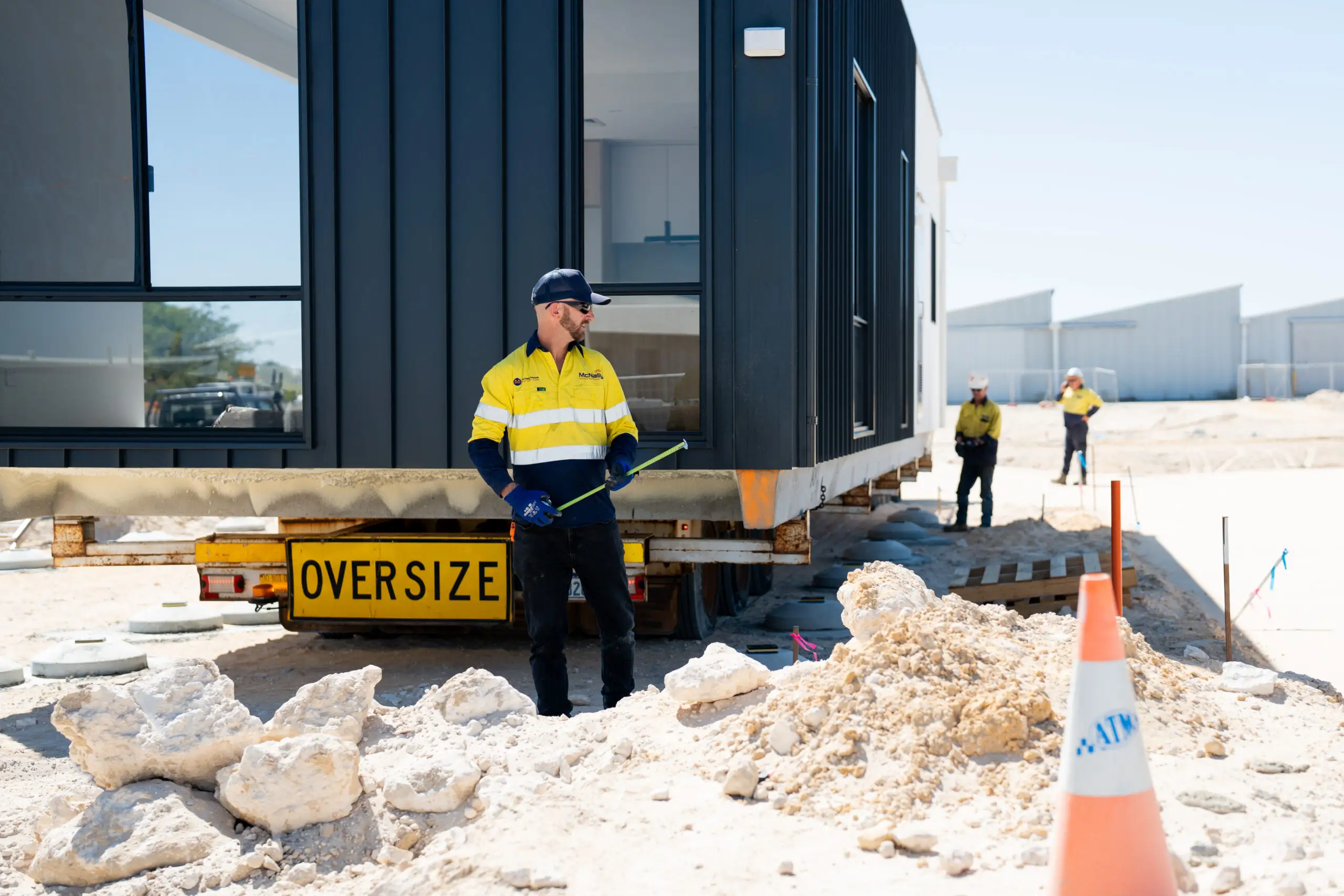
Modular homes are among the most effective ways to minimise construction times compared to conventional builds in Western Australia. Modules are prefabricated off-site in controlled environments, reducing dependence on weather conditions, local labour pressures, and site delays.
Prefabrication allows faster delivery of completed components to your site while maintaining stringent quality standards. For homeowners prioritising certainty around timelines, cost management, and quality finishes, modular construction methods are worth considering.
Working with Experienced Builders
Choosing a builder with deep experience in WA’s residential construction sector can make a meaningful difference. Established builders tend to be better positioned to navigate approval requirements, maintain reliable supplier relationships and adapt schedules when unforeseen issues arise.
With McNally’s backing, MIRA has a proven modular approach and local expertise, ensuring projects benefit from predictability, faster timelines and a streamlined building experience.
Clear and consistent communication throughout the project supports timely responses to issues and keeps challenges in perspective. Both HIA and MBA homeowner guidance emphasise that experienced builders can reduce the likelihood and impact of delays while keeping homeowners informed at every step.
Planning Ahead with Confidence
While the construction sector in Western Australia has experienced periods of material supply pressure, workforce demand and complex approval processes, today’s building environment is more transparent than ever. Clearer industry guidance and improved planning practices are helping homeowners better understand what can influence timelines and costs.
Understanding these factors and working with experienced professionals can mitigate their impact. With MIRA’s streamlined modular process and local expertise, timelines are more predictable and much of the uncertainty associated with traditional builds is reduced. Builders with local knowledge can also advise on approvals, inspections and key construction stages, helping you plan with greater confidence.
If you’re considering alternatives that can help you manage construction timelines and offer some clarity, explore our range of modular home designs to see how modern homebuilding solutions might work for your project.