A step by step look at the modular home timeline from concept to delivery
Building a home is one of the biggest decisions you will ever make, and understanding the process helps reduce uncertainty. Modular construction offers a predictable and streamlined path from your first idea to the day your home arrives on site. This overview explains each major step, so you know exactly what to expect throughout the journey.
Step one. Initial research and design discussion
Your journey begins with early research and a conversation with your modular homebuilder. This is where you explore design options, land considerations, preferred layouts and how modular construction aligns with your goals. It is also the time to ask questions and clarify what matters most to you.

Step two. Site assessment
Before design work begins, your builder will review your site to understand access, slope, soil conditions, services, setbacks and local planning requirements. This helps determine what is possible and ensures the home is designed for your block.

Step three. Concept design
After understanding your needs and your site, the design team creates a concept layout. This includes room sizes, orientation, connection points between modules and any custom features. You receive drawings that allow you to visualise how the home will function for your lifestyle.
Step four. Approvals and documentation
Once the concept is confirmed, detailed drawings, engineering and energy assessments are prepared. These form part of your planning and building applications to your local Western Australian council. Modular homes follow the same approvals process as any other dwelling, and your builder will guide this step for you.
Step five. Factory construction
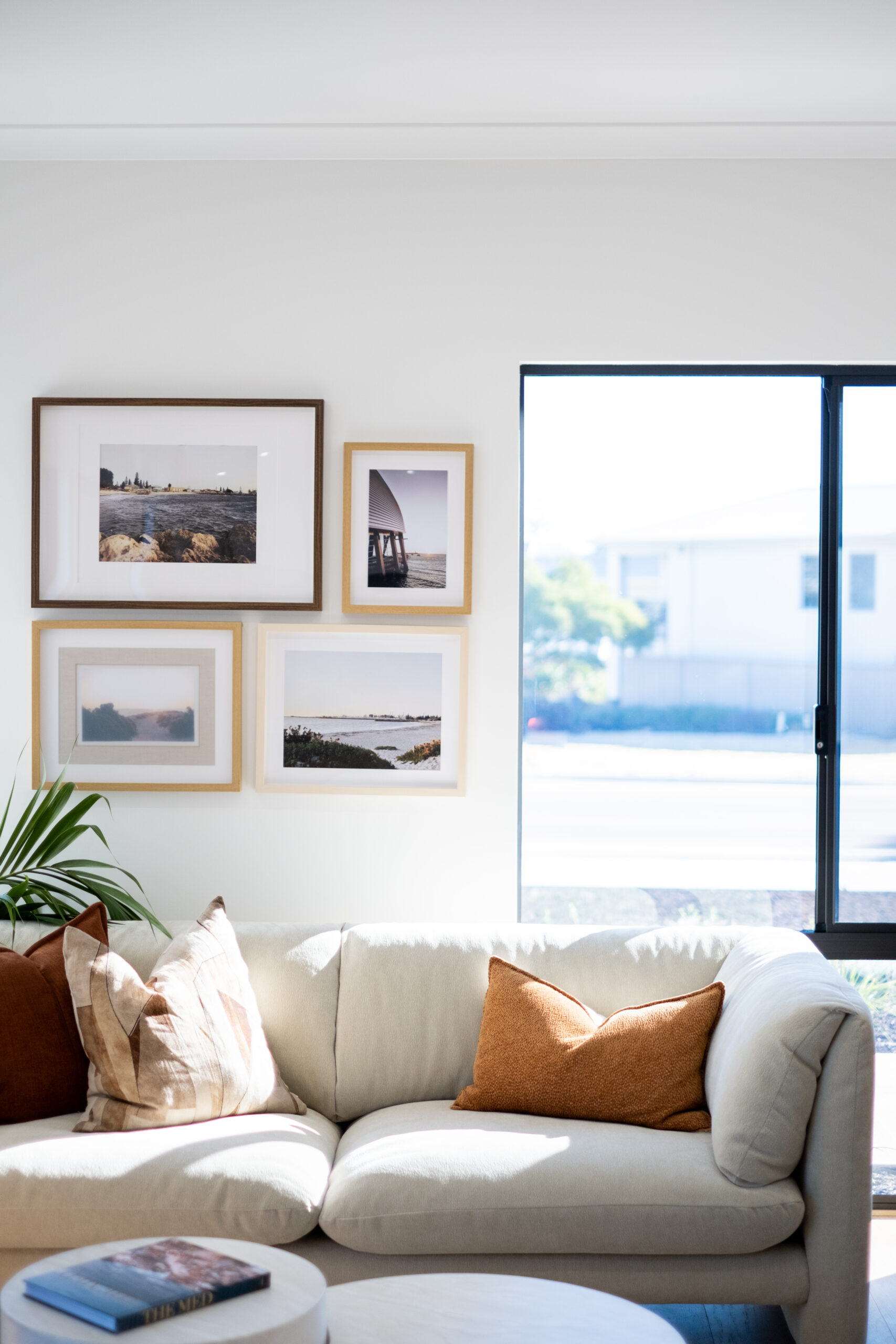
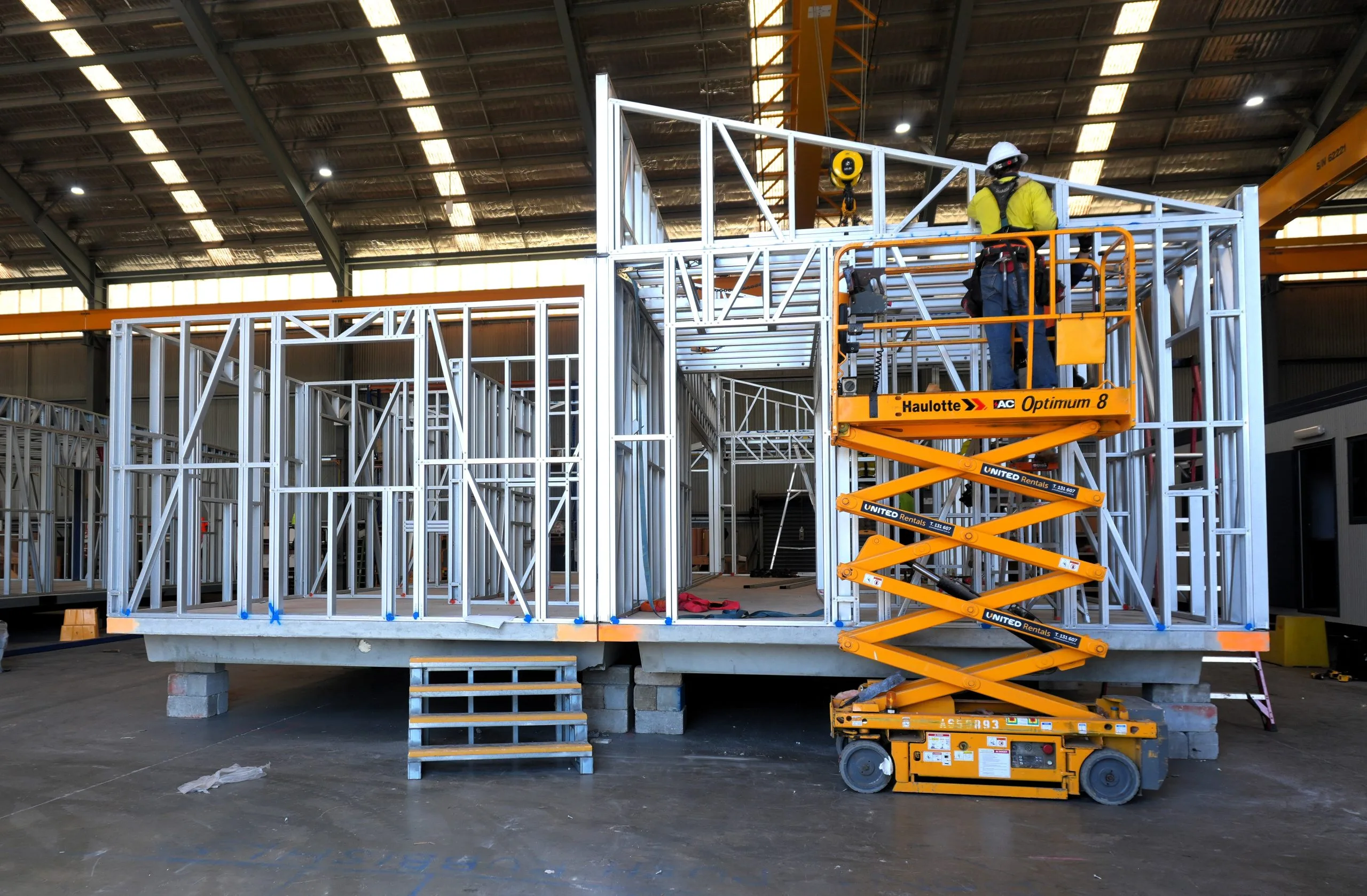
With approvals in place, the modules move into the controlled factory environment for construction. This stage is one of the major advantages of modular building. Trades work at consistent quality, weather delays are avoided and progress is predictable. Your kitchen, bathrooms, electrical and finishes are completed within the modules before they leave the factory.
Step six. Site preparation
While your home is being built off site, your block is prepared in parallel. This can include earthworks, service connections and foundations designed specifically for modular installation. This overlapping workflow shortens the overall build time.
Step seven. Transport and installation
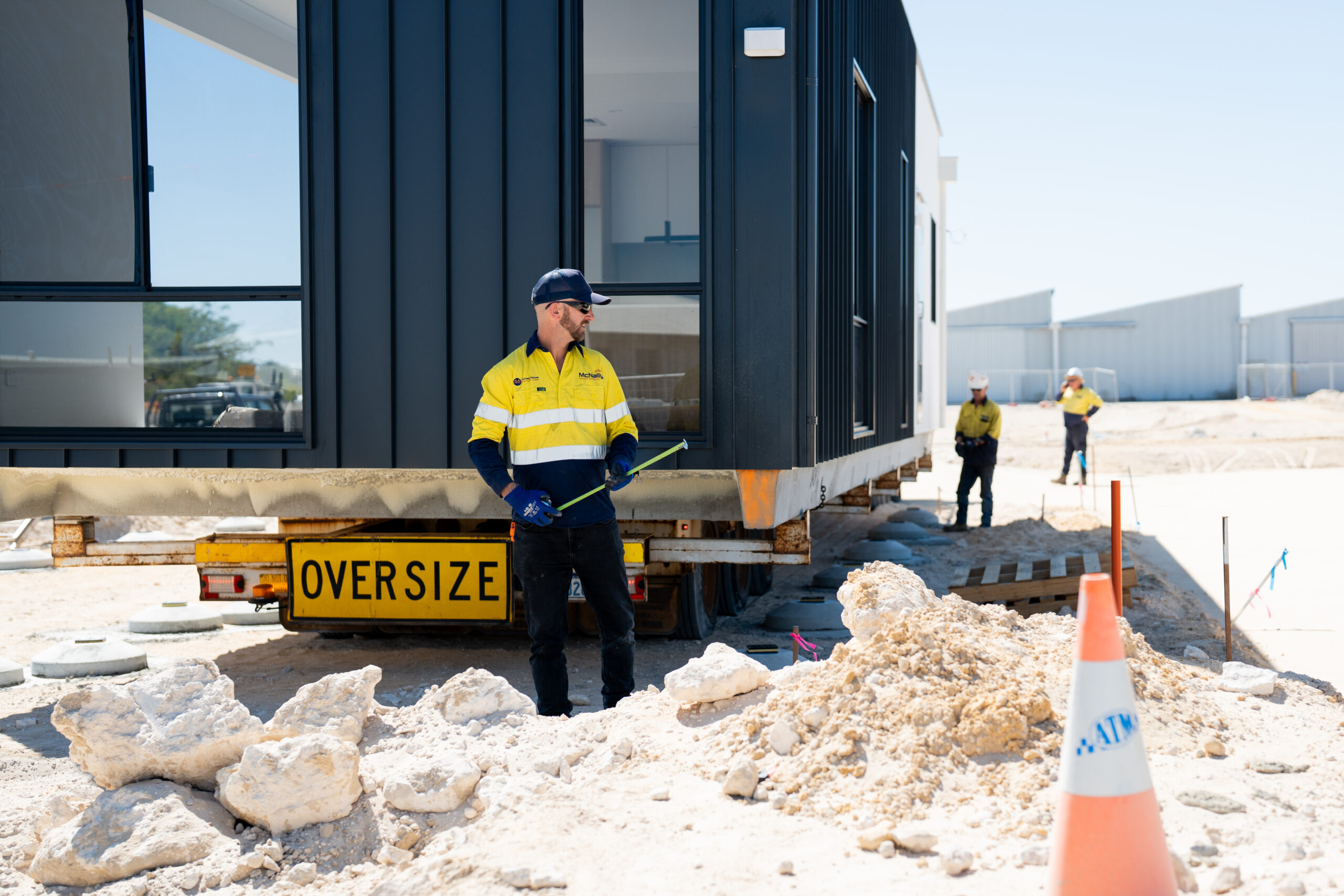
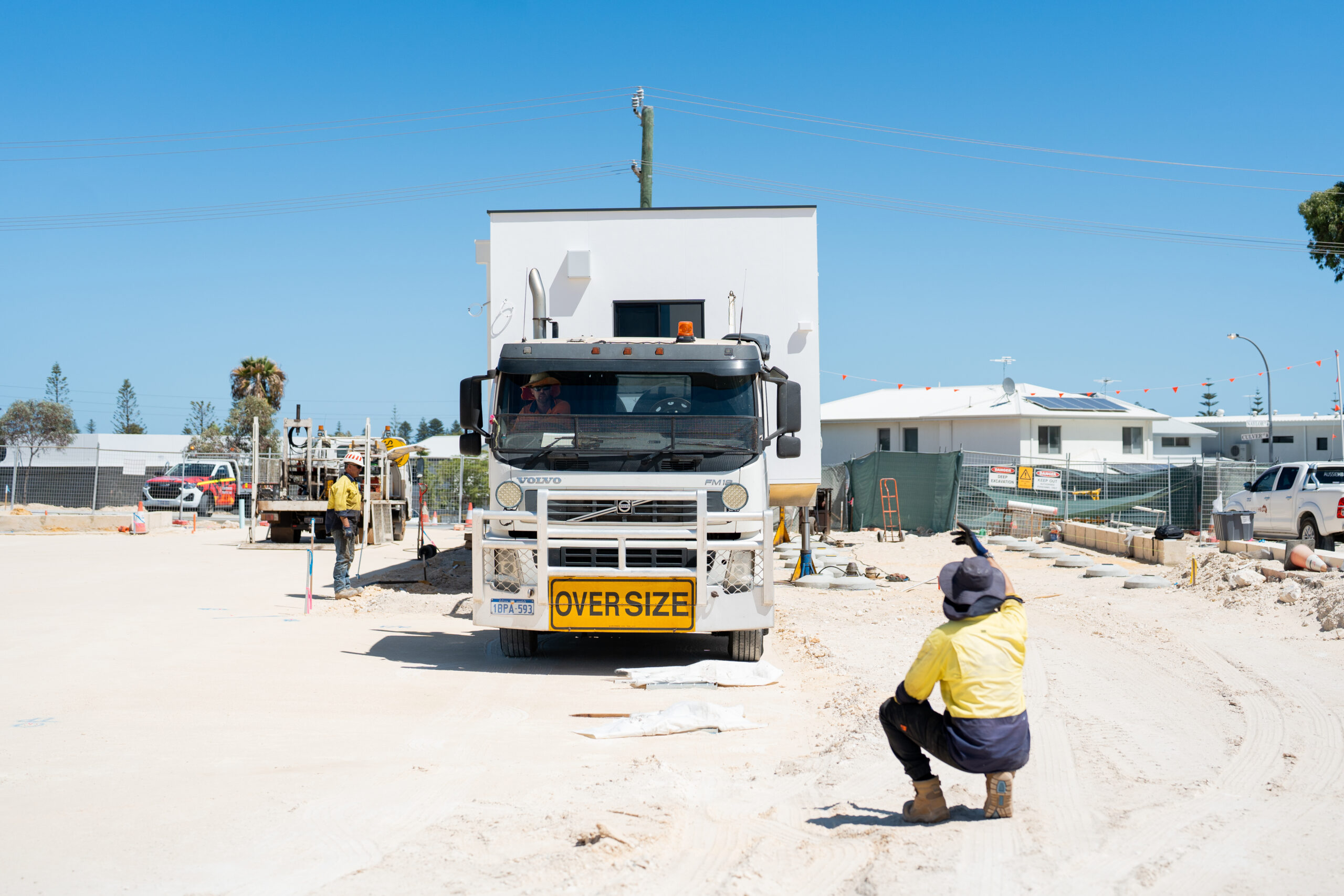
When the modules are complete, they are transported to your site and installed using cranes and specialised equipment. This is often one of the most exciting days for homeowners. Most modular installations are completed within a single day, which reduces disruption to neighbours and speeds up the overall timeline.
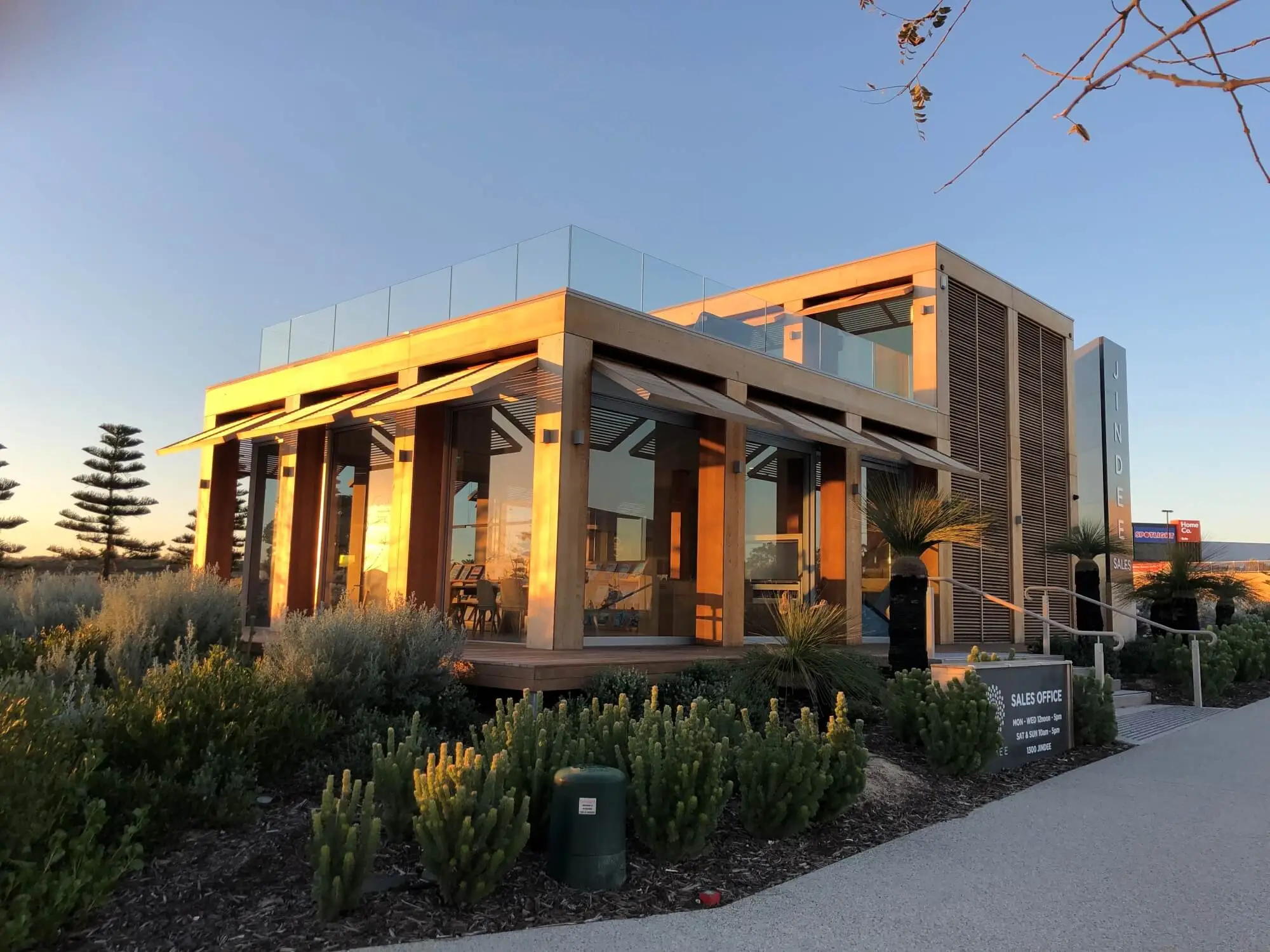
Step eight. Final connections and handover
After installation, trades complete external cladding, final service connections and any landscaping or optional upgrades. Once everything is inspected and approved, you receive the keys to your new home.
Building a modular home in Western Australia offers a clear, efficient and future ready path from your first design idea to a finished home on your land.
If you are exploring modular homes and want tailored advice for your block and lifestyle, the MIRA Residential team is ready to guide you through every step.