Five common myths about modular homes in Western Australia and the truth behind them
Interest in modular homes is growing across Western Australia as more people look for smarter, faster and more sustainable ways to build. Even with this shift, several long standing myths still cause confusion for buyers who are beginning their research. Clearing up these misunderstandings helps you make confident decisions and understand why modular construction is becoming such an important part of the future of building in WA.
Below are five of the most common misconceptions along with the real story behind each one.
Myth one. Modular homes are lower quality than traditional builds
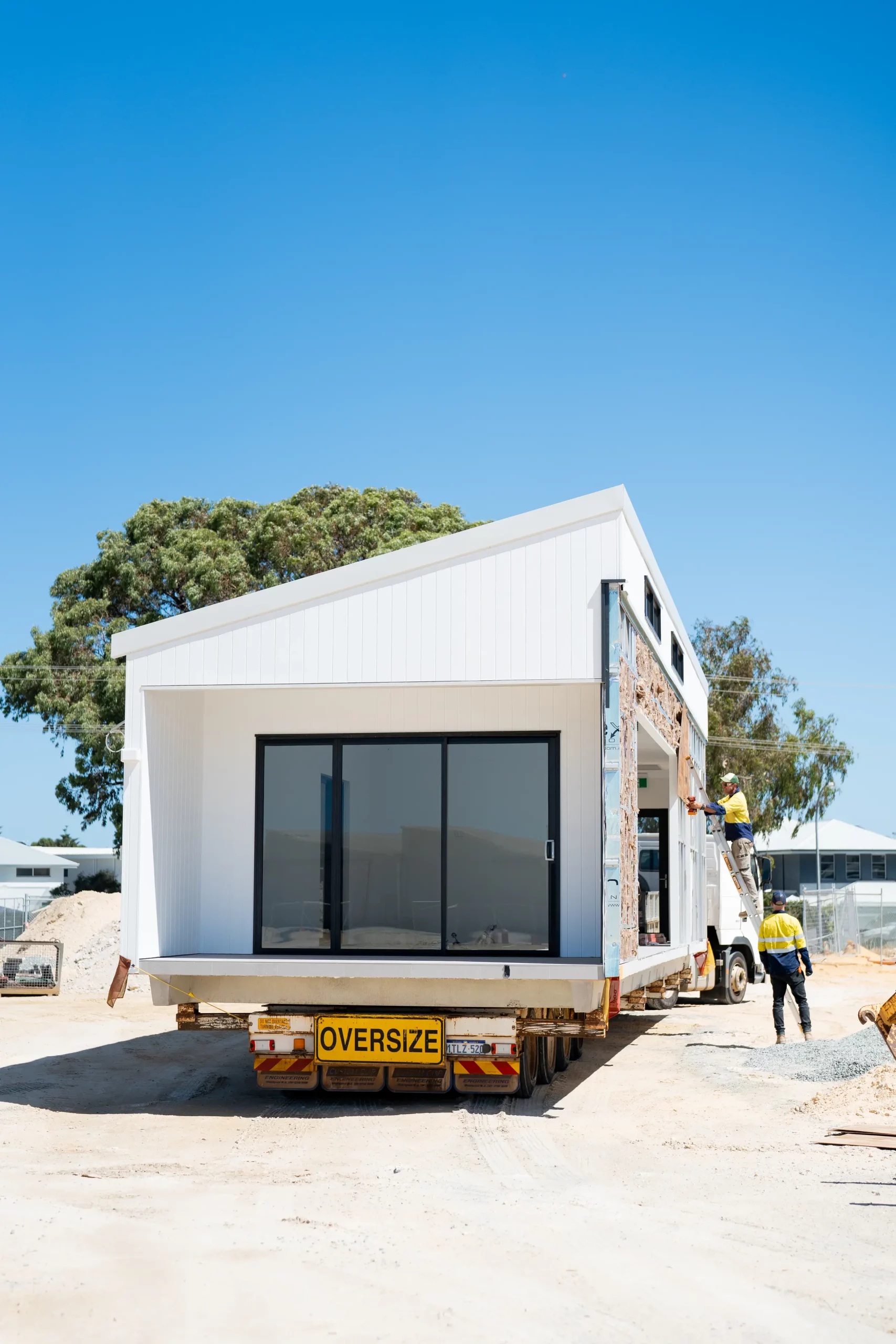
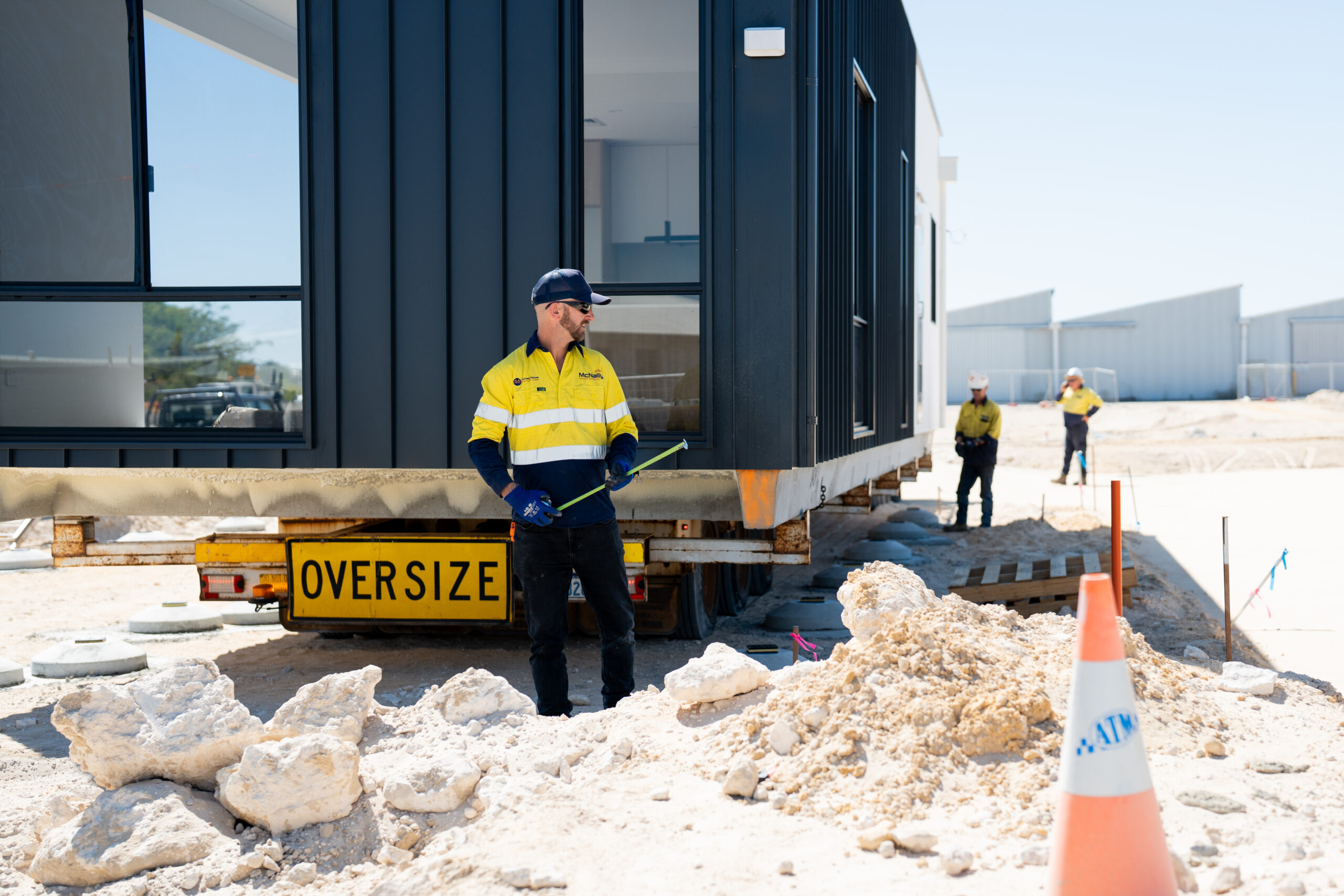
This misunderstanding comes from the idea that anything built off site must be cheap or lightweight. The truth is that modular homes in WA must meet the same building codes and structural requirements as any site built home. Because modules are built inside a controlled environment away from weather delays, the workmanship is often more consistent. Materials stay dry, trades can work efficiently, and quality checks happen throughout the process.
With modular construction, precision matters. Every module has to withstand transport to site which means it is engineered to a high standard. Instead of lowering quality, the factory setting often improves it.
Myth two. Modular homes do not last as long
Many people assume modular homes are temporary or short term solutions. In reality, a modular home is a permanent home built to the same standards as any other dwelling approved in Western Australia. The structural integrity, lifespan and long term performance are equal to a conventional build. The materials used are the same. The difference is simply how and where the home is constructed.
Because modules are built to travel, they often have additional reinforcement that traditional homes do not need. This can add to durability over time.
Myth three. Councils do not approve modular homes
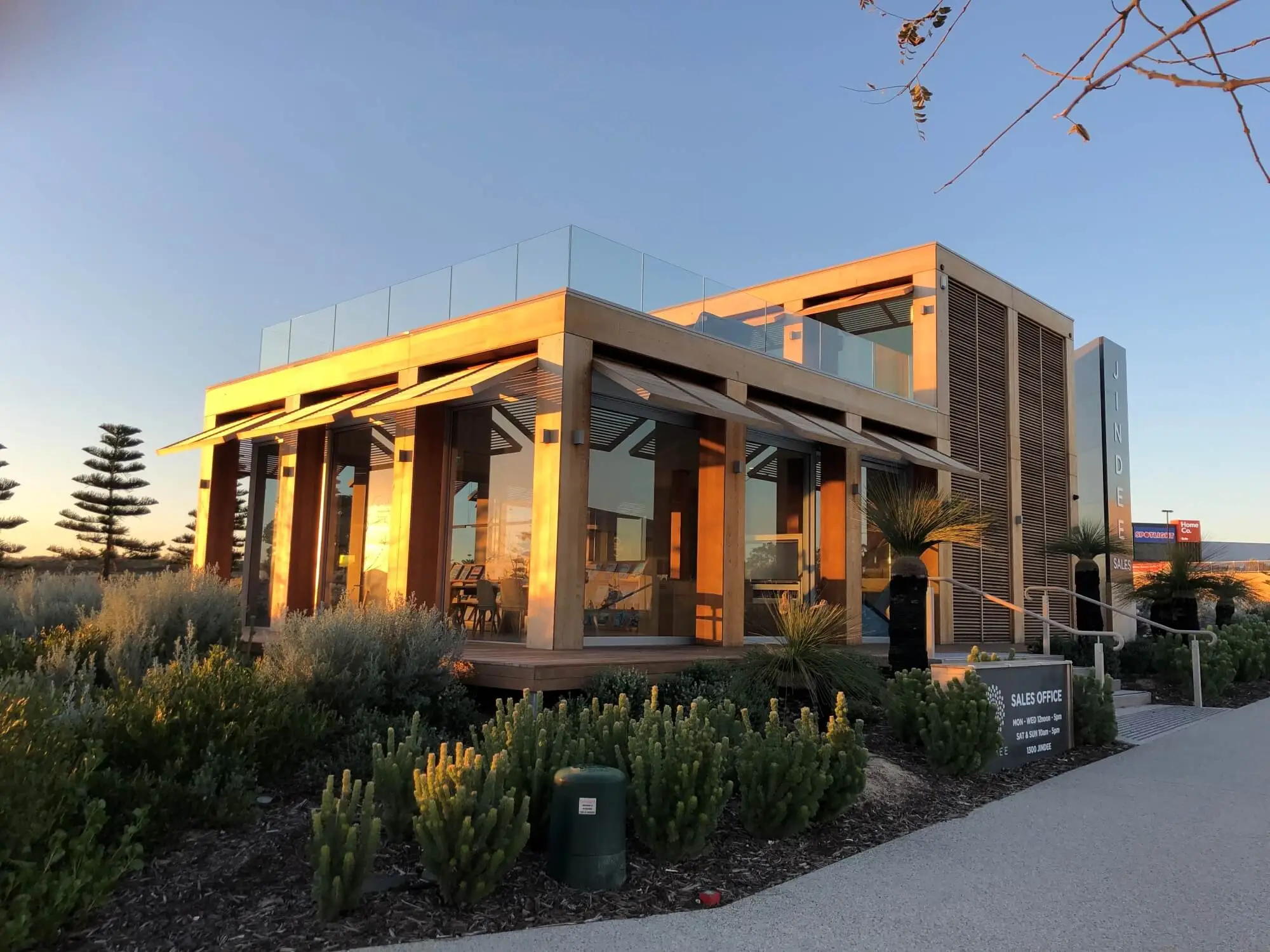
Local councils in WA regularly approve modular homes. The planning and building approval process is similar to any other residential project. You still need drawings, engineering, energy assessments and compliance with R Codes and local planning policies.
The main difference is that most of the construction happens off site, but councils are already familiar with this. Many regional councils especially appreciate the reduced disruption and faster installation that modular construction brings. With accurate documentation and the right builder, the process is smooth and predictable.
Myth four. Financing a modular home is too difficult
Financing a modular home is not as complicated as it may seem. Many banks in Western Australia now understand the modular process and offer loans similar to traditional construction loans. The timing can differ slightly because modules are built in a factory, so progress payments are structured around key stages such as completion of the base or completion of the modules before delivery.
Working with a builder who has experience with WA lenders helps streamline the process. Buyers can still choose from a range of loan options including construction loans and standard mortgages depending on the project.
Myth five. Modular homes all look the same
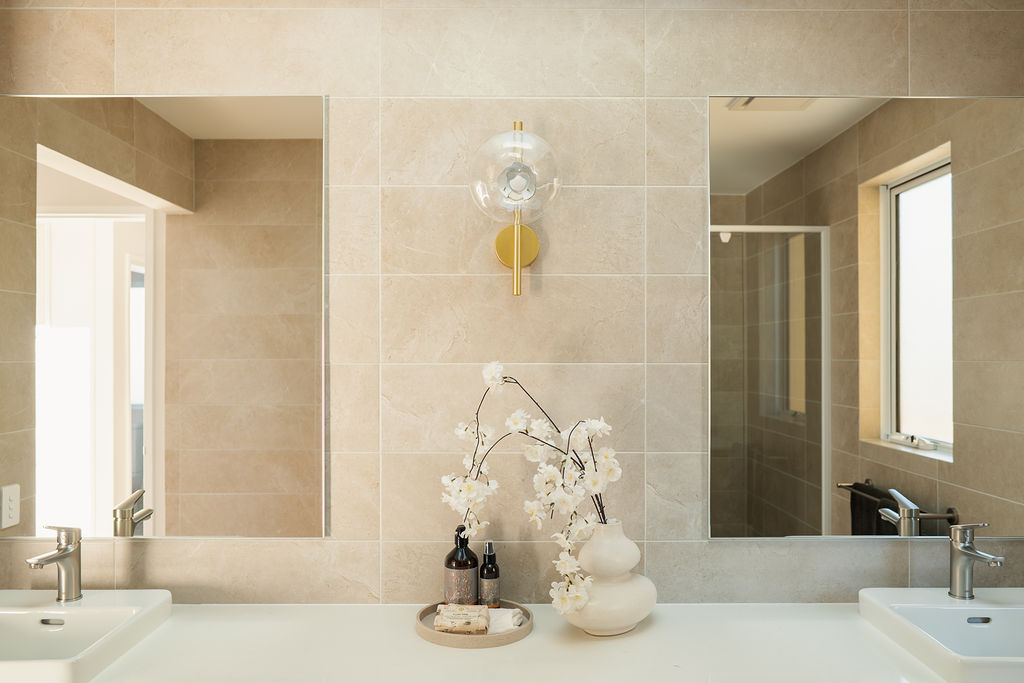
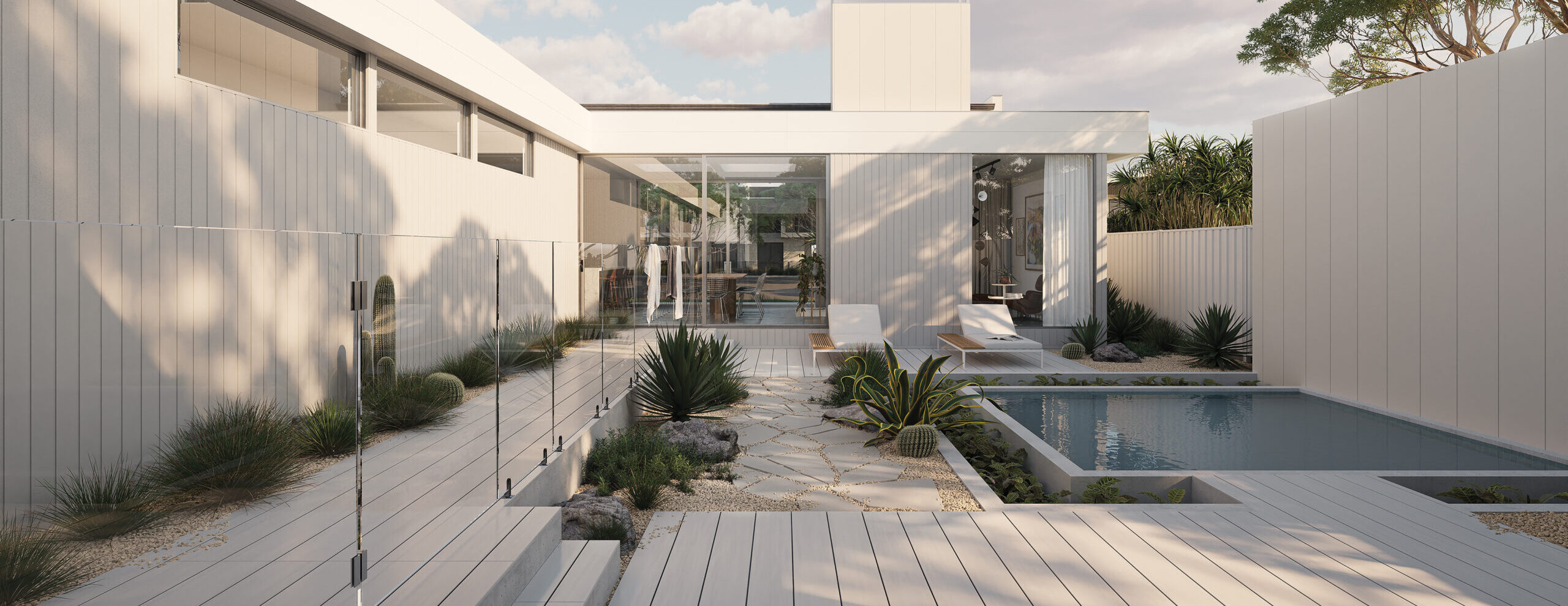
Early transportable homes created a long lasting impression that modular means boxy or limited. Today the opposite is true. Modular design offers a wide range of architectural possibilities. Homeowners in WA can choose modern, coastal and minimalist styles or customise layouts to suit block conditions, sunlight, outlook and lifestyle.
Advances in design and off site manufacturing allow for large open living spaces, high ceilings, generous glazing and sophisticated finishes. The homes are designed for the Western Australian way of living while offering the benefits of a controlled factory build.
Choosing a modular home in Western Australia gives you a high quality, efficient and future ready way to build, making it one of the smartest options for anyone researching modern homebuilding in WA.
If you are exploring modular homes in Western Australia and want guidance tailored to your block, lifestyle and budget, reach out to the MIRA Residential team to start planning your future home.