When Do Modular Homes Need a Crane for Installation?
One of the most common questions homeowners ask when planning a modular home is whether a crane will be required to install the home on site.
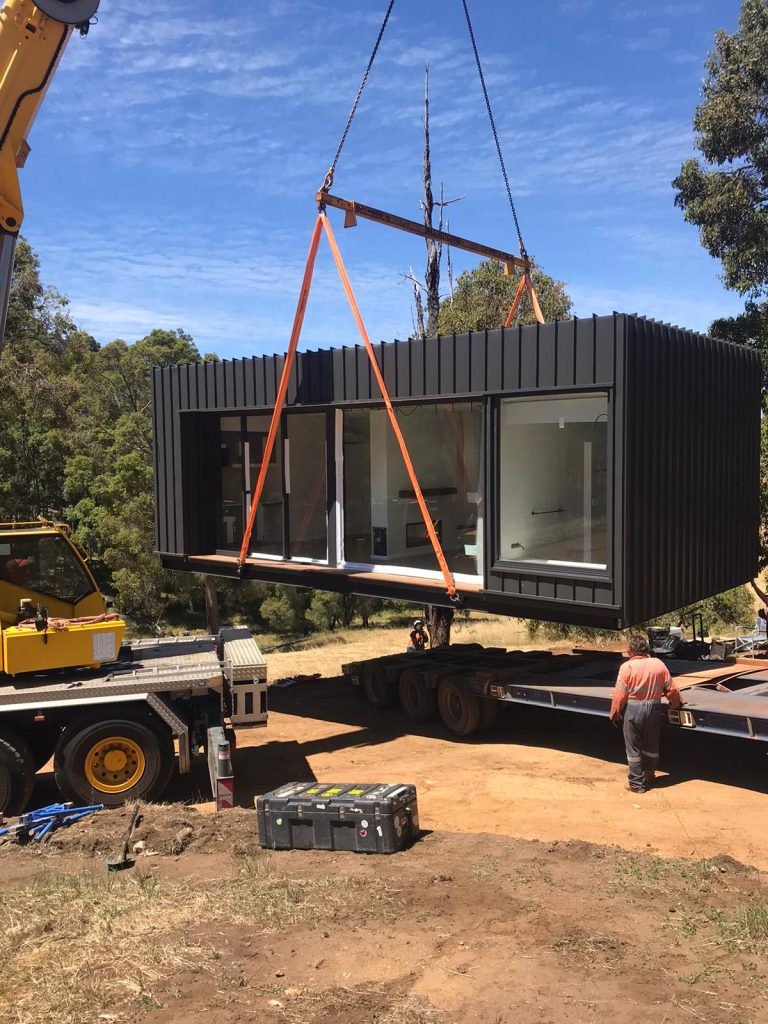
The answer depends on several factors, including site access, terrain, surrounding structures, and the design of the home itself. While some modular homes can be positioned directly from the delivery vehicle, others require crane installation to safely and efficiently place the modules onto their foundations.
Importantly, this is never determined at the last minute.
At MIRA, crane requirements and installation logistics are assessed during the early planning stages of the project, well before contracts are signed, construction begins, or delivery is scheduled. If crane installation is required, the associated costs are included upfront within the contract to ensure complete transparency from the outset.

When Are Cranes Used in Modular Home Installation?
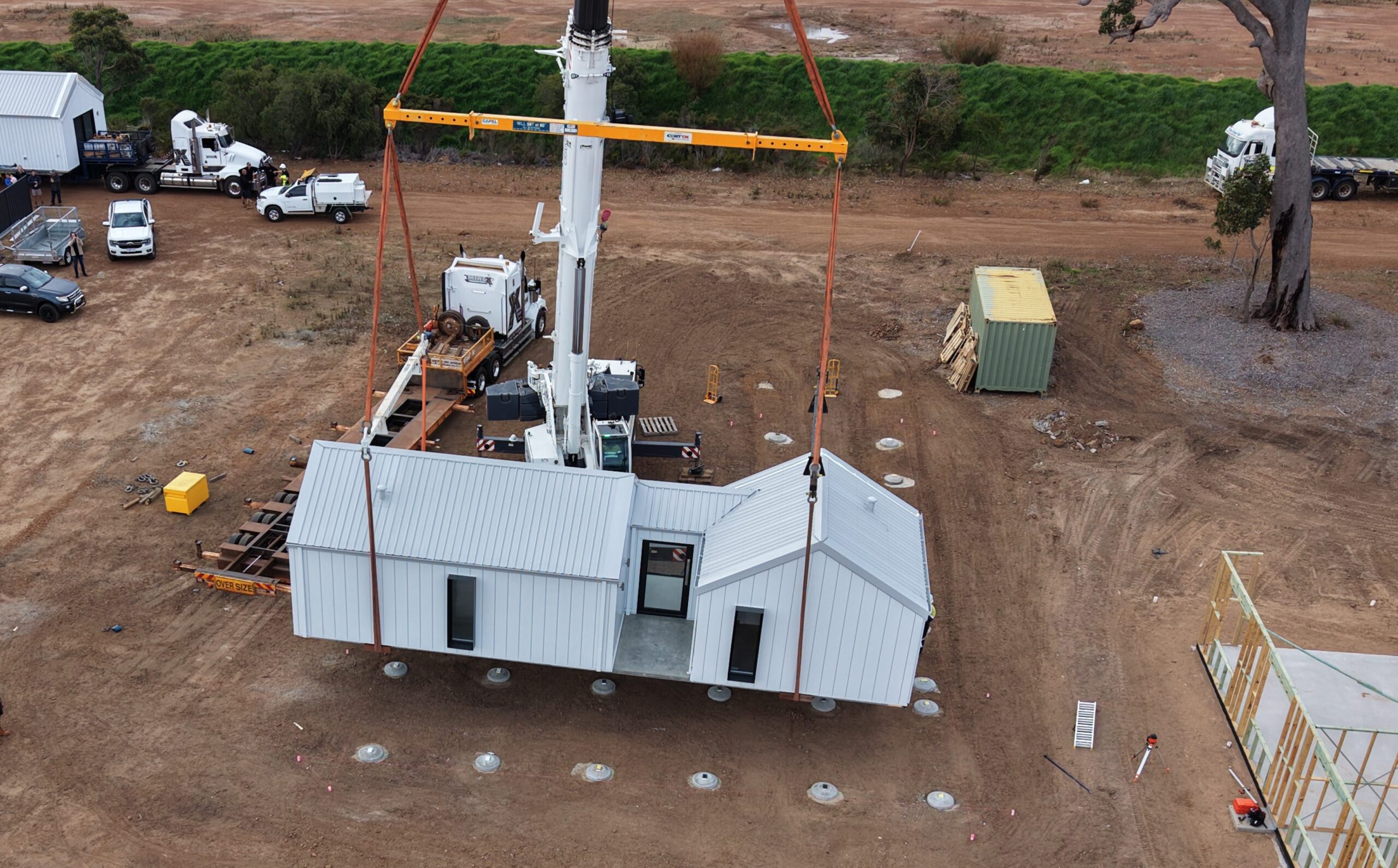
Modular homes are constructed in sections within a controlled factory environment before being transported to site for installation. Once delivered, each module must be accurately positioned onto the prepared footings or foundations.
Depending on the conditions of the site, this process may involve:
- direct placement from the transport vehicle, or
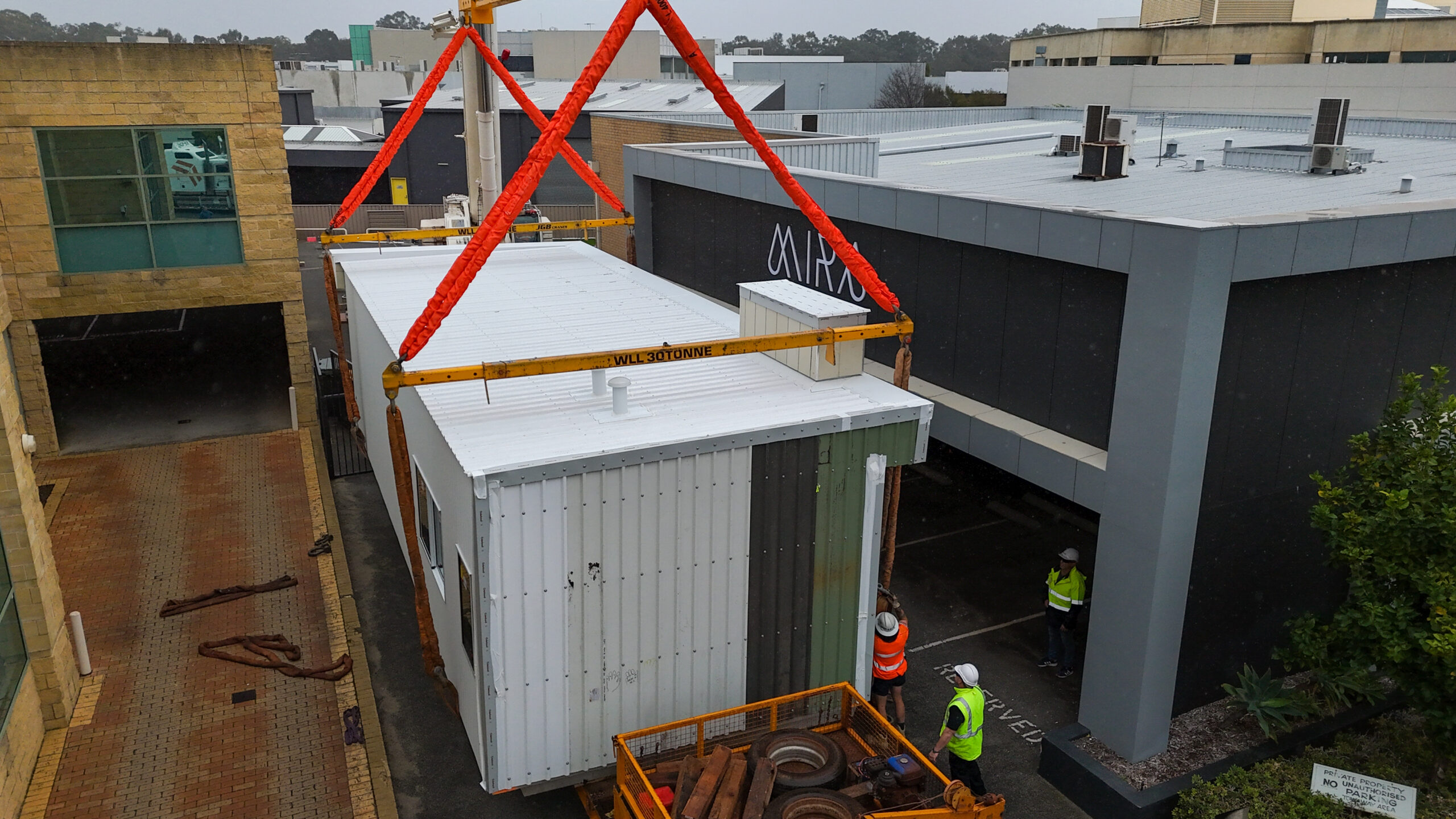
- crane-assisted installation where lifting and positioning are required.
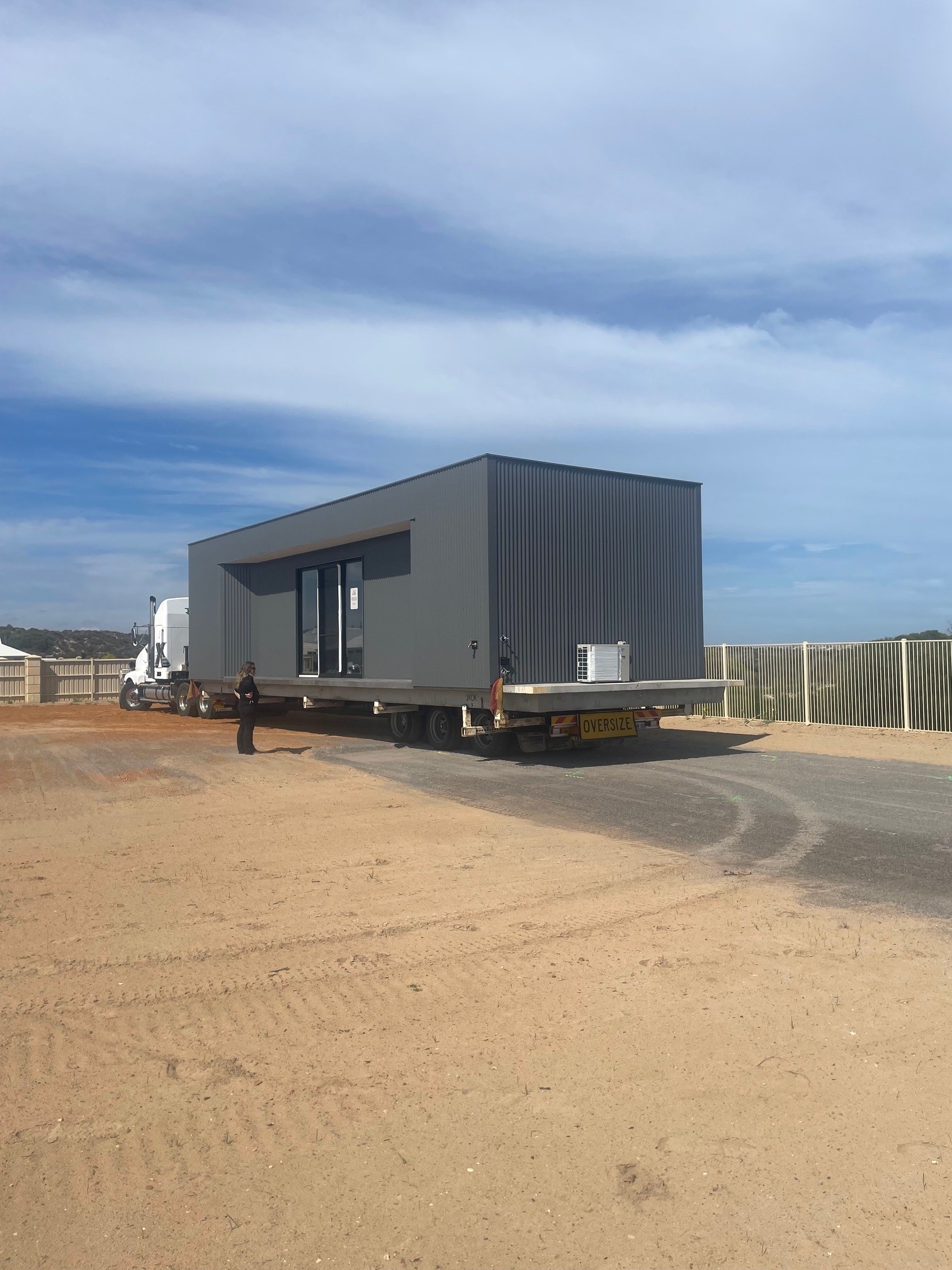
Crane installation is a standard part of many modular and prefabricated home projects across Australia, particularly on sites with restricted access or challenging terrain.
What Determines Whether a Crane Is Needed?
Site Access
Access is one of the most significant factors when determining installation requirements for a modular home.
If transport vehicles cannot safely manoeuvre close enough to the installation area, a crane may be required to lift the modules into place.
Restricted access conditions may include:
- narrow driveways
- battle axe blocks
- tight urban sites
- limited turning areas
- neighbouring structures close to boundaries
- retaining walls or fencing
- heavily vegetated sites
Every site is different, which is why access assessments form a critical part of the planning process.
You can learn more about preparing your property in our guide to modular home site preparation.
Sloping or Difficult Terrain
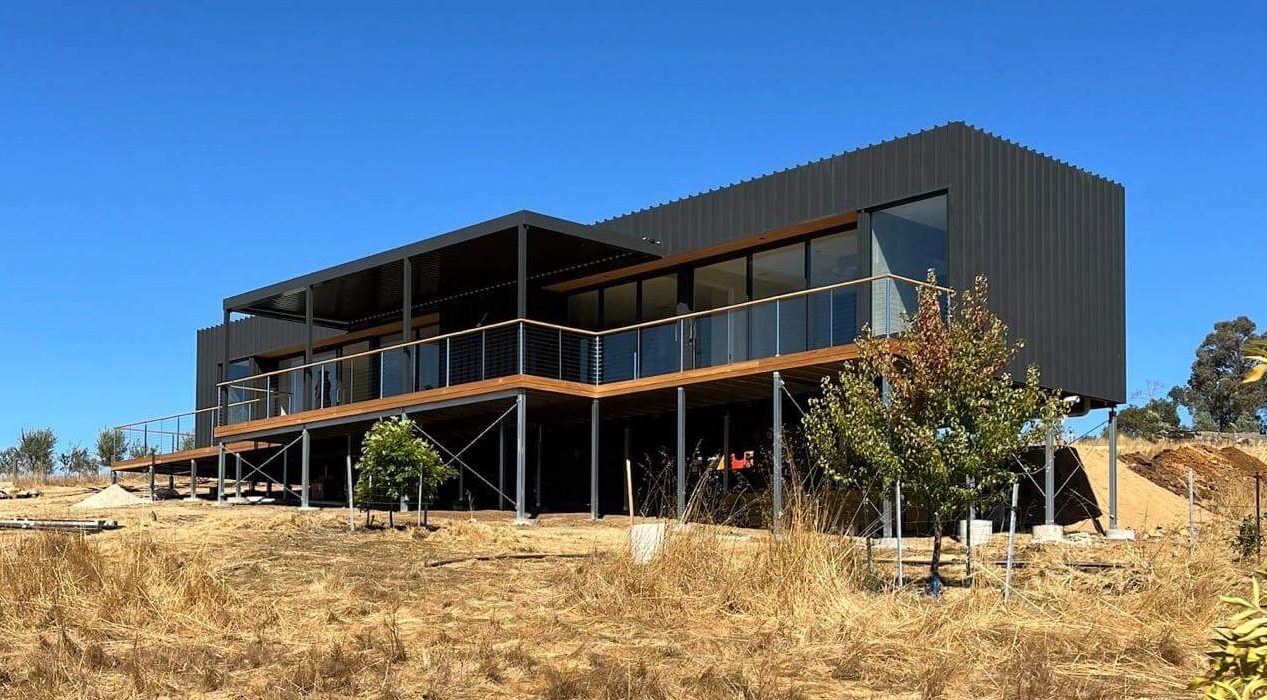
Steep or uneven blocks often require crane installation to safely position modules without damaging the surrounding site or affecting installation accuracy.
This is particularly common for:
- hillside properties
- split-level sites
- coastal blocks
- elevated rural properties
One of the advantages of modular construction is the ability to deliver homes to locations that may be more challenging for traditional building methods.
Overhead Obstacles
Existing structures and overhead restrictions can also affect installation methods.
Factors such as:
- powerlines
- mature trees
- garages or outbuildings
- neighbouring homes
may prevent direct placement from the transport vehicle and require crane lifting to position the modules safely.

When Are Crane Requirements Assessed?
At MIRA Residential, installation requirements are assessed well before construction commences.
This process typically includes:
- detailed site inspections
- access and transport reviews
- engineering assessments
- overhead clearance checks
- delivery route analysis
- local council and traffic management considerations where required
This allows our team to determine the safest and most efficient installation method early in the process.
If crane installation is necessary, it is clearly outlined and costed within the client contract before signing. This ensures there are no unexpected installation costs later in the project.
Are Cranes Common in Modular Construction?
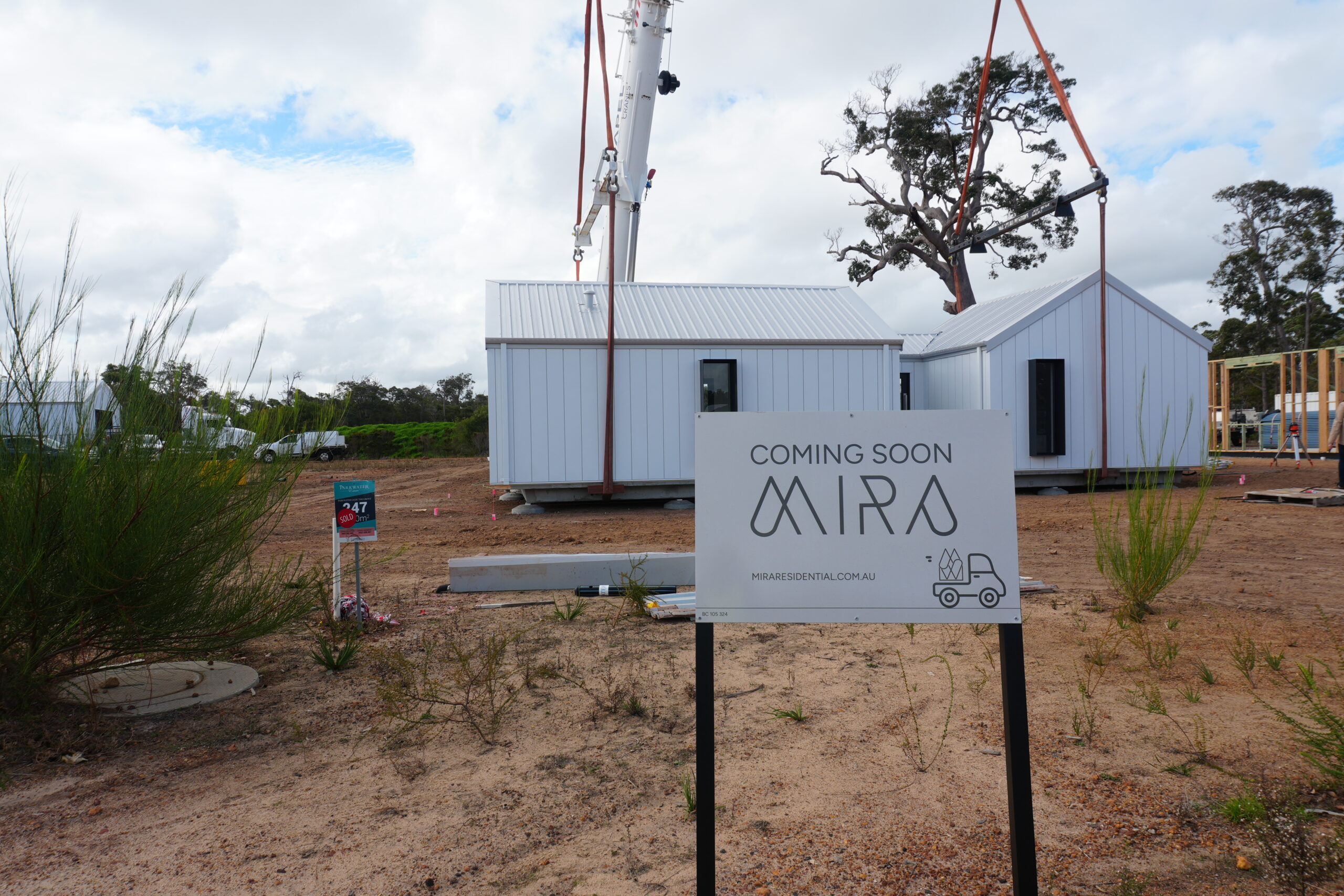
Yes. Crane installation is a normal and highly coordinated part of the modular building process.
Because modular homes are manufactured off site, installation is planned well in advance. This level of planning is one of the reasons modular construction can often provide greater efficiency and predictability compared to traditional building methods.
In many cases, crane installation also allows modular homes to be placed on blocks that may otherwise be difficult to build on using conventional construction techniques.

The Importance of Early Planning
A successful modular home installation begins long before delivery day.
Careful site assessment and installation planning help:
- identify access requirements early
- avoid unexpected costs
- reduce installation delays
- improve overall project efficiency
- ensure compliance with local regulations and safety requirements
At MIRA Residential, every home is planned around the specific conditions of the site to ensure a smooth and professionally managed installation process from start to finish.

Can Modular Homes Be Installed Without a Crane?
Absolutely, we often deliver homes without cranes.
If a property has:
- wide and clear access
- flat terrain
- minimal surrounding obstacles
- straightforward positioning conditions
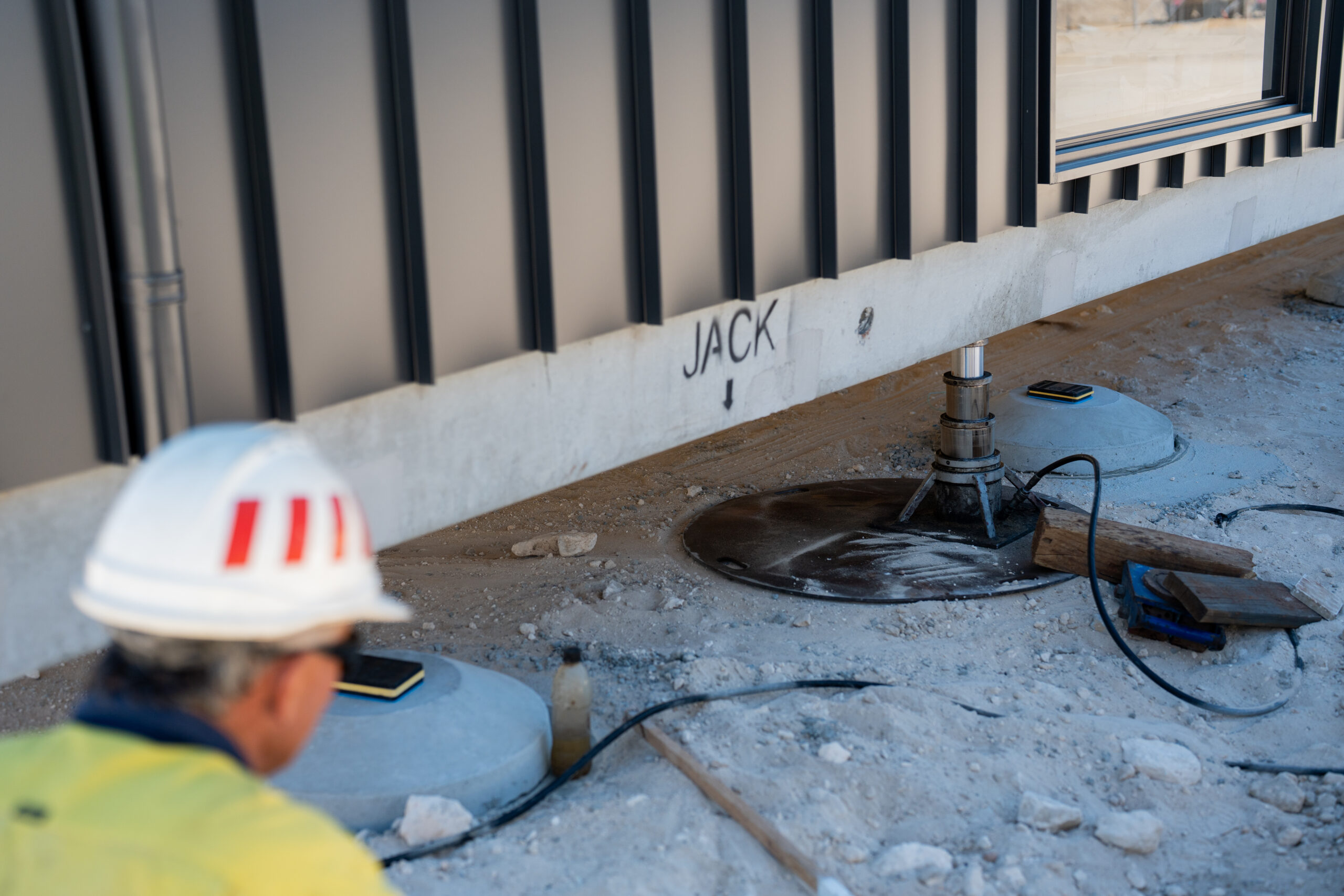
the modules can be installed directly from the delivery vehicle without crane assistance We use the jacking method.
Every project is different, which is why site conditions play such an important role in determining the installation method.
Modular Homes Designed for a Wide Range of Sites
One of the major advantages of modular construction is flexibility.
Whether building on a suburban block, rural property, coastal site, or sloping landscape, modular homes can often be adapted to suit site conditions with carefully planned delivery and installation methods.
At MIRA Residential, every home is designed with both functionality and site suitability in mind, helping homeowners achieve a streamlined building experience from manufacture through to installation.
To learn more about modular home delivery and installation, explore our range of prefabricated modular homes or contact the MIRA Residential team to discuss your project.